by brentpix
|
Comments Off on PHO-705 Week 1 Pecha Kucha
Finally the start of the final major project is here and I have to say its exciting but also a little daunting.
We have been assigned our module supervisors and mine is Laura Hynd, a photographer whose work Ive followed for sometime as it happens.
We were asked to produce a Pecha Kucha presentation to show our thoughts and progress so far on our FMPs. Pecha Kucha I learned literally translated means ‘chit chat’. A fixed length format of 20 slides timed for 20 seconds each with an expnatory VO or if youre really good, live!
Im not that good and I found it a real challenge getting my timings right and still conveying the info, a good exercise and good for me as I have a tendency to wander off on aa tangent quite easily.
Heres mine.
Laura was able to help me decide on the ultimate direction of the project which was a real help as I have been at something of an impasse for a little while now deciding which strands of the project to expand.
by brentpix
|
Comments Off on Pho 704 Week 11 Exhibiting Thoughts
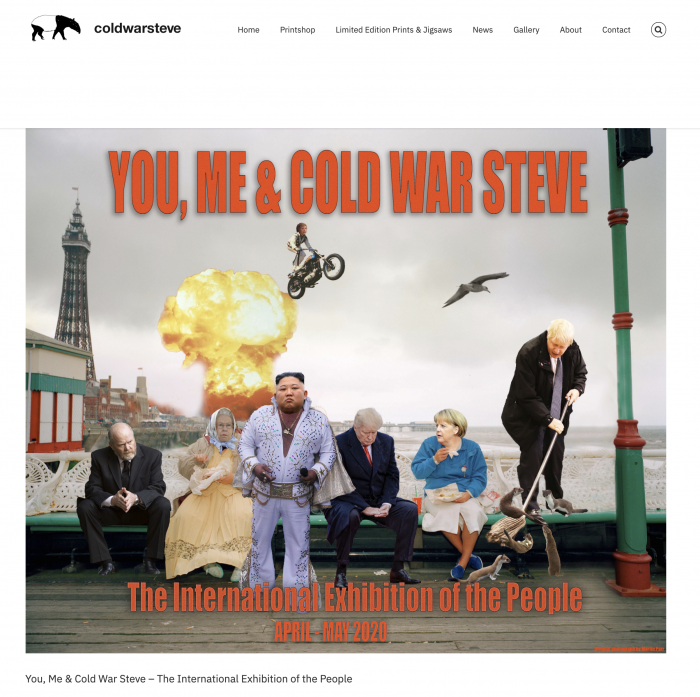
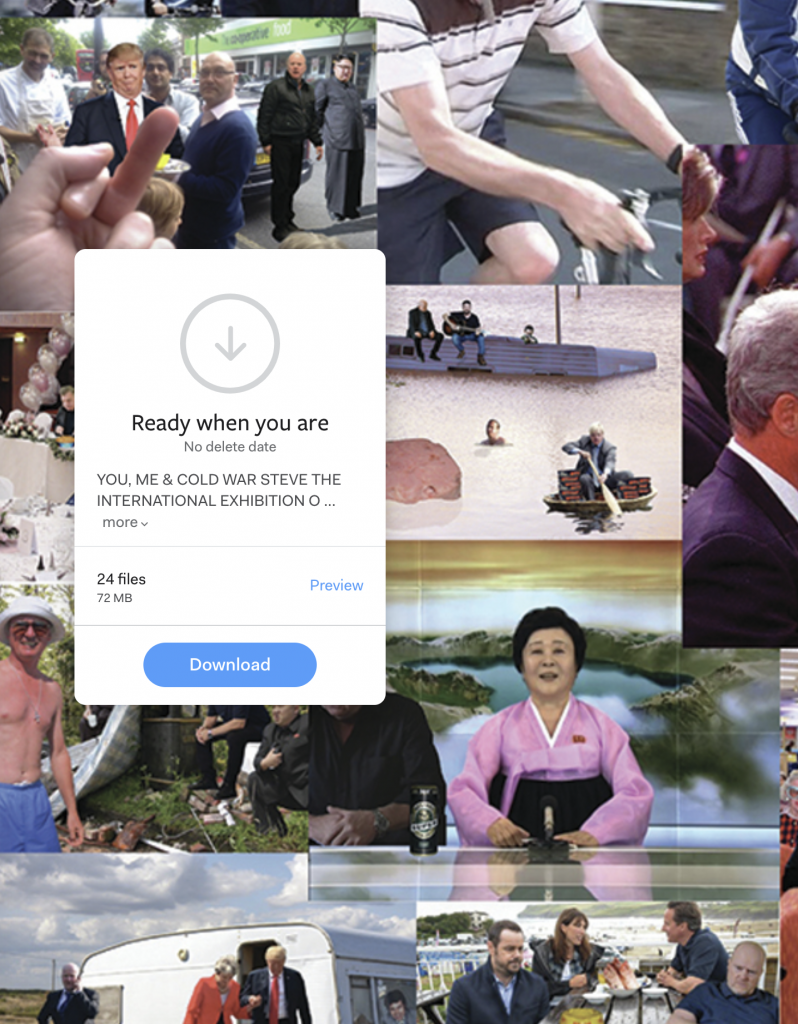
Coldwar Steve has taken a very interesting approach to his latest exhibition by inviting the public to download hi res images to print out as they like and display in any order with the aim of creating multiple exhibitions in all kinds of locations possibly globally.
Coldwar S, 2019, You, Me & Coldwar SteveHi Res images as downloaded
He challenges not only the art ‘establishment’ but also
how the works should be viewed
reminiscent of Duchamp and his R Mutt signed urinal work ‘Fountain’ in 1917. (Camfield 1989, p.23.) Infact the supplied
instructions state
“Print to paper, direct to board or foam board, feel free to mount or add borders if you want. ou may decide to frame them, or not.
“There is no set order to display. Titles of each are included as the file names. Other than that there is no info to include, feel free to write your own if you want .” Coldwar S, 2019, You, Me & Coldwar Steve
I really liked the idea of taking my images to be displayed in the places the elements were made. Logistically huge and beyond my capability right now but I do like the idea democratising the images as Coldwar Steve has and maybe with a little collaboration I could realise the ambition of works being displayed where they were partially created.
by brentpix
|
Comments Off on 704- Week 10 New Project Image Palm Springs Opera House
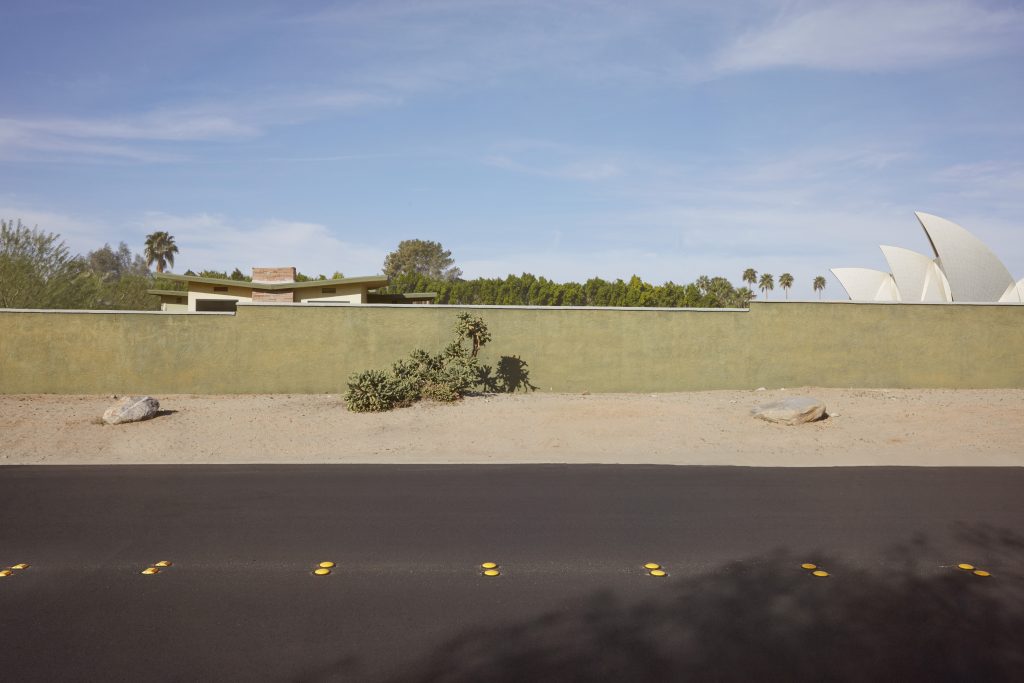
Sydney Opera House, surely one of the most instantly identifiable structures on the planet, built in Sydney Harbour after an international design competition was launched in 1955 and received 233 entries, representing architects from 32 countries. The winner, announced in 1957, was Jørn Utzon, a Danish architect.
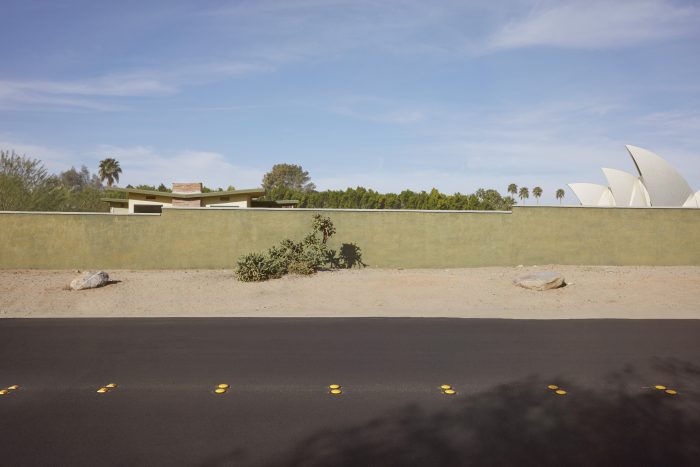
However what if Australia hadnt been colonised and Sydney Harbour never established. Its reasonable to assume another world city would eventually come up with a similar brief and in my reimagined version that city was Palm Springs which was also a playground for Mid Century modern architects.
Guest Brent M, 2019, Palm Springs Opera House
Using an image I captured of the Opera House on a previous trip I knew it would work so well with this linear study shot in Palm Springs. Although I have moved the house across I have changed very little of the recorded scene.
by brentpix
|
Comments Off on PHO 704- Week 10- The Digital- New Possibilities-Instagram
Instagram. Love it, hate it and frustrated by it, love it again….
current status mild indifference .
I have two Instagrams https://www.instagram.com/martinbrent/ This being my commercial account and Ive had it for quite a long time. For my MA and burgeoning (ie not very existent as yet) fine art career this one https://www.instagram.com/martinbrentguest/ which has barely any followers but are all people Ive met through this course or in person at photo shows or similar. I will probably develop this feed a little more and it will be used to support my final project show.
It is undeniably gratifying when an image receives positive commentary from followers, I think some validation of ones efforts can never be a bad thing but if the sole motivation is to attract positive comments then that can become a self serving thing in itself, the danger being you create work for that audience only.
Initially Instagram was a very cool way of interacting with like minded
souls, almost a social club where you saw your contacts images in real time as
they posted them. With little traffic it was a great way of showing
people what you were up to and where you were in real time.
Its funny that the coffee cup thing actually started as a way of getting
yourself invited in to see people. Literally- “hey contacts, I’m
literally next door drinking this cool brew, come join me or invite me
round” and it worked! Cynical but nicely cynical and of
course you ALWAYS had your folio with you.
There was then an era of exponential growth and it was more difficult to see
your friends but everything was still displayed real time to your followers,
this immediacy still gave it the edge, you felt genuinely connected.
Then Insta changed their algorithm and started to show you images ‘it’
thought you wanted to see and critically changed the timing so the images were
no longer real time. For me that was a big change and not one I wanted
because patently it took me away from my intended, niche audience and vice
versa.
Then another thing happened. The ‘curated’ feed. This was a pivotal
moment for creatives which meant instead of insta being almost a chatting
platform with cool images it was now simply an extension of your website or
folio. In some peoples cases it became their website full stop.
Given the loss of real time immediacy maybe the curated feed is no bad
thing, however for me it makes Insta a dull place that I feel I need to
visit occasionally to update the feed, making sure its all neat and on brand
which is the polar opposite of what made insta the cool and interesting place
it started out from.
So this may sound negative but I think it still has its uses, its just
different to how it was and I feel its lost its soul, that personal real time
connection is no more although stories have gone someway to restore that and I
find myself spending far more time there than in the main feed.
Infact I just had a little think and this week so far Ive barely looked at
the main feed but seen quite a few stories….
So in terms of strategy yes I have one. Its basically posting images
on the main feed, in threes so it remains tidy, that reinforce the brand
and what it is we do. Thats about it. Obvs you aim to show
new work but equally linking existing projects to current events is also worth
doing. My agent echoes my posts and vice versa. I recently did a
three day takeover for The Association Of Photographers https://www.instagram.com/assocphoto/
which was pretty good and I gained quite a few new followers off
the back of it. It was actually quite difficult to choose which images to
share because again you need to keep it neat and your personal faves may not be
the nes that are going to get you work.
Followers wise Ive had about 2000-2500 on average for quite a while,
theres definitely a problem with fake accounts though and some of my ‘followers’
clearly are bots but being honest he numbers dont really interest me, its the
quality of follower I’m looking for, ie people who can give me work and people
I like. You can really work an Insta account to increase reach of course,
posting at the right time, liking x amount of x accounts and hashtagging the
life out of every post and one of my assistants has been doing this with some
success, he’s built up to almost 6000 followers but now doesnt really know what
to do with them. I would be happy with 20 followers if they were
all good clients and giving me work.
Ive used hashtags to enter things like Featureshoots Printswap which started
off pretty good with only 100 photographers being selected but now it seems to
run almost continuously. Hashtags for magazines… undecided,
#myfeatureshoot used to be pretty good as did #cinesomnia but it then
means your feed ends up being nothing but images from these zines, again being
separated from the people I actually want to interact with.
Messaging can be a great way to reach a target brand or client and ive also
received messages from potential new clients in reaction to events occurring
off Insta so thats interesting. This happened after I got some stuff into
the AOP Awards this year and this is when the curated thing probably does work
quite well. So real world events flowing into online and out again which
really is what you need to happen, the things we do all happen off the platform
ultimately but its very easy to see Instagram as a wholly self contained world.
So a bit of a ramble but I see Insta as a necessary evil rather than
something I actively enjoy participating in like when it first started.
It can be a useful tool for sure, if youre trying to reach a mass its well
suited now. I do agree it needs to be a part of your marketing mix and as
such its very important that all of your online activity points to each other,
ie make sure your insta link is displayed on your website etc and vice versa.
by brentpix
|
Comments Off on PHO 704- – Photography and it’s Fine Art Markets.
Andy Hughes provided a live lecture this week, it was great and very encouraging to see his enthusiasm for his work and his passion for Climate Change Awareness and the bigger picture.
It was reassuring to hear that he often, if not always revisits image to add to them and develop them further, I am very similar in that it could take me a year or more to ‘finish’ an image and Im not even adding anything physically. I’ve often wondered if this is a sign of indecision or a weakness, hearing other artists, especially someone as accomplished at Andy also needs/likes to return to the works was something of a relief.
The work I felt a connection too instantly was from earlier in his career where he composites alternate images. Not just photographic though and I saw this as really liberating. My current method is very strict, photographic and based very much in reality of scale and perspective.
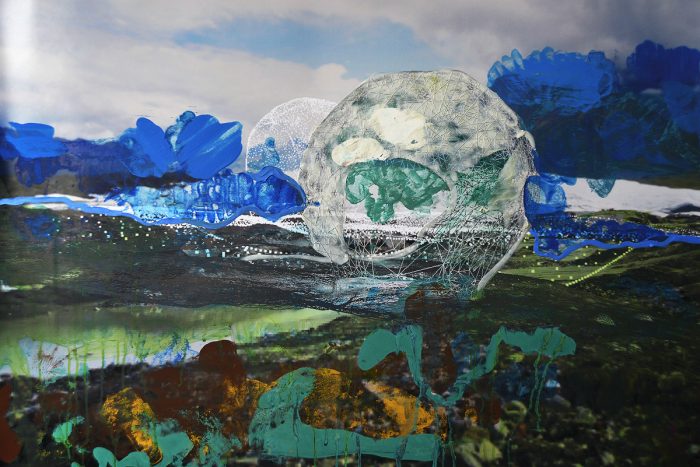
Here Andy uses Gyre Expedition data collected via 3-D and mapping applications along the coastline of Cornwall to create an image over a landscape, the circular framing is also very radical.
Although I thought I was actually being very experimental with my tableaus I can see Im far from it! Id never considered using non photographic means of image creation. Maybe However in the the next module I could find the time to experiment with alternate mediums possibly, certainly actual collage techniques.
I really like this means of compositing, using the tape and notes, so different to what I do yet also the same on many levels, my means of taping the images together is hidden, here is on full show and part of the work.
Image taken from Andyhughes.net copyright of the artist.
by brentpix
|
Comments Off on PHO 704- Week 7- Amy Simmons- Art Buyer/Project Manager Presentation.
This weeks theme was presented by Amy Simmons who is a London based integrated project manger currently at A&E DDB who Ive worked with in the past when she was AMV so it was great to see her pop up here.
Her role requires her to work across the number of disciplines an integrated campaign requires, so a print element which could be press ads, posters, point of sale, Direct Mail alongside digital media which could mean social media and also moving image TV , you tube and again social media where video is now consumed alongside stills.
Having worked for leading agencies Amy is very well placed to provide the advice and guidance she provides in this presentation which I found very informative with the information was conveyed really effectively. Having worked in advertising for almost 30 years and already understood the process she described I still found it informative.
Her role involves co-ordinating the entire process from when the conceptual stage of the campaign starts and once approved becomes a live project. From there will be involved with liasing with the creative department, securing talent, formulating budgets, overseeing production as well as often being the on shoot producer.
After the shoot she is also involved in post production of the media and artworking processes co-ordinating between departments and suppliers through to final project delivery.
Amongst all this she will run pre production (PPM) and pre-pre production (PPPM) meetings where all parties convene to discuss the production, agree processes, understand departmental requirements, a great deal hangs on the information obtained at these meetings so chairing them requires diligence and diplomacy as each department will have very definite requirements that will impact other parts of the production.
She also explained how to write a treatment, a document a photographer is often asked to provide when being considered for a shoot. The treatment should contain a short bio, examples of work but most importantly how the photographer intends to approach this particular project. What they intend to bring to the party, how their vision and skills will compliment the shoot better than the many other equally skilled practitioners out there.
The treatment is the photographers opportunity to connect directly with the creative decision makers, the client may also see it too so enthusiasm for the project along with presenting your vision and credentials is important.
An important and informative presentation for those interested in pursuing advertising commissions and indeed those that already do.
by brentpix
|
Comments Off on PHO 704- Week 5- A Story To Tell
Imagine you are being commissioned by a newspaper, or magazine, to shoot a story in five to seven images. It can be about anything – ideally something local – but the images must tell the story by themselves; be strong enough to carry the narrative. The story can be about a person, a place or a thing. Keep your focus narrow. What matters is to make sure each photograph gets to the essence of what the narrative wants to express.
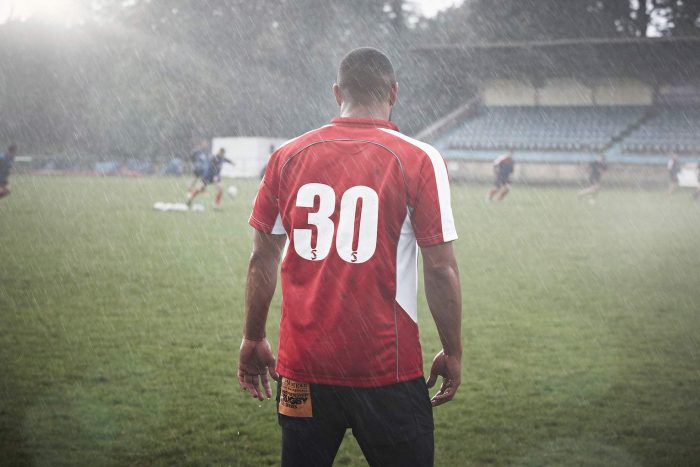
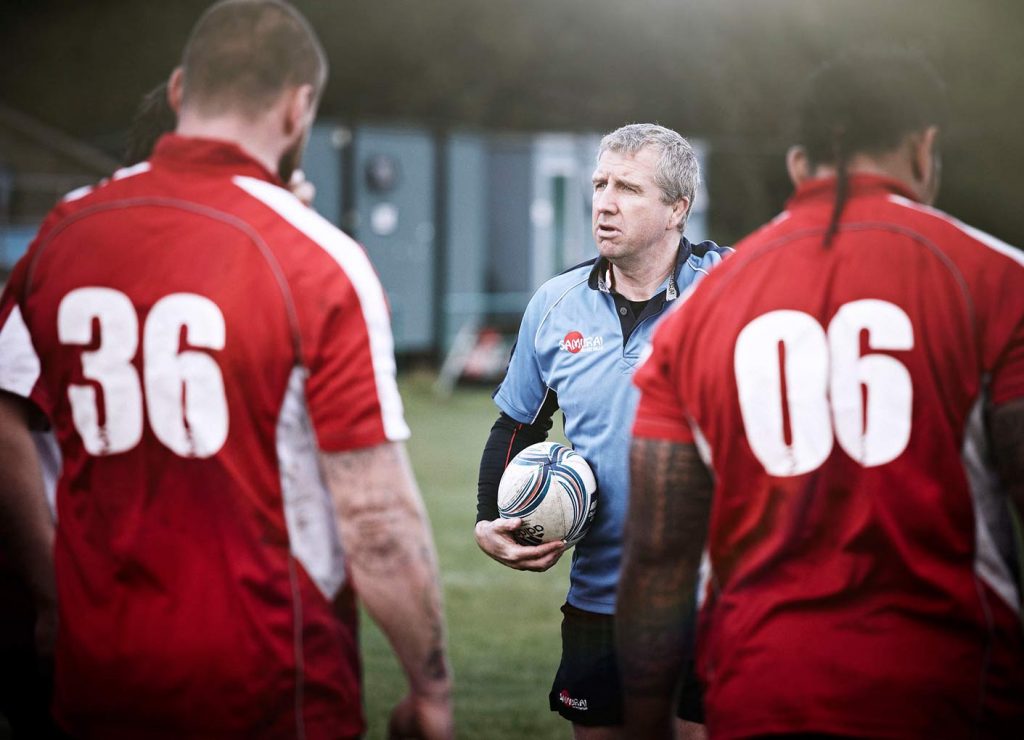
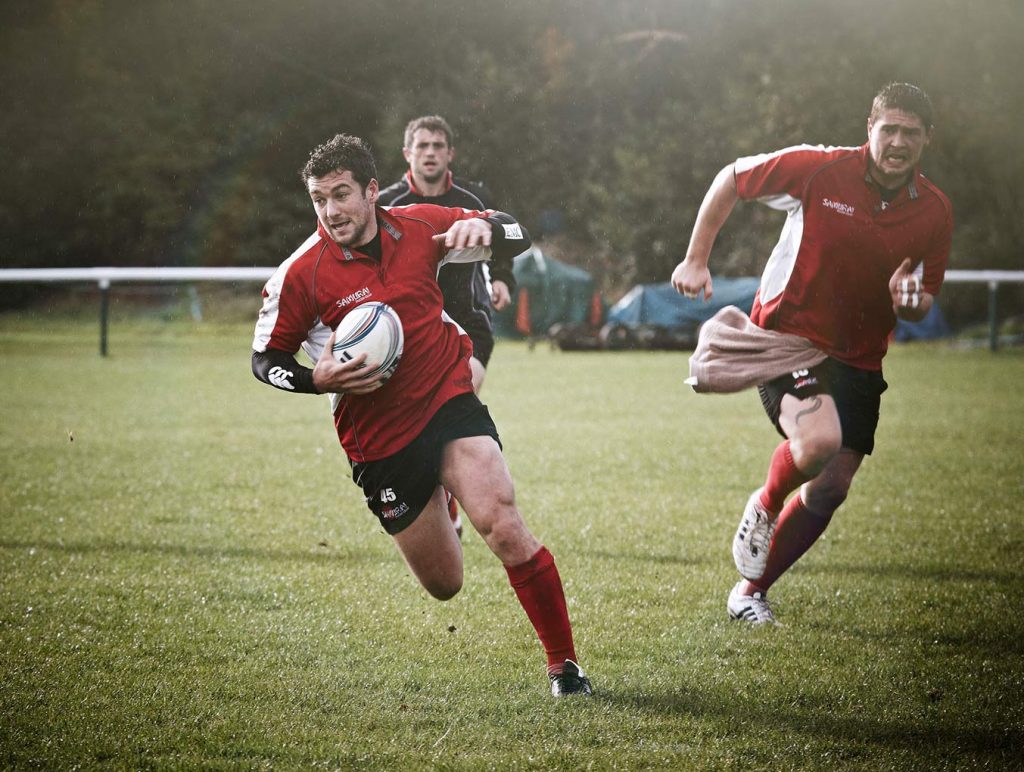
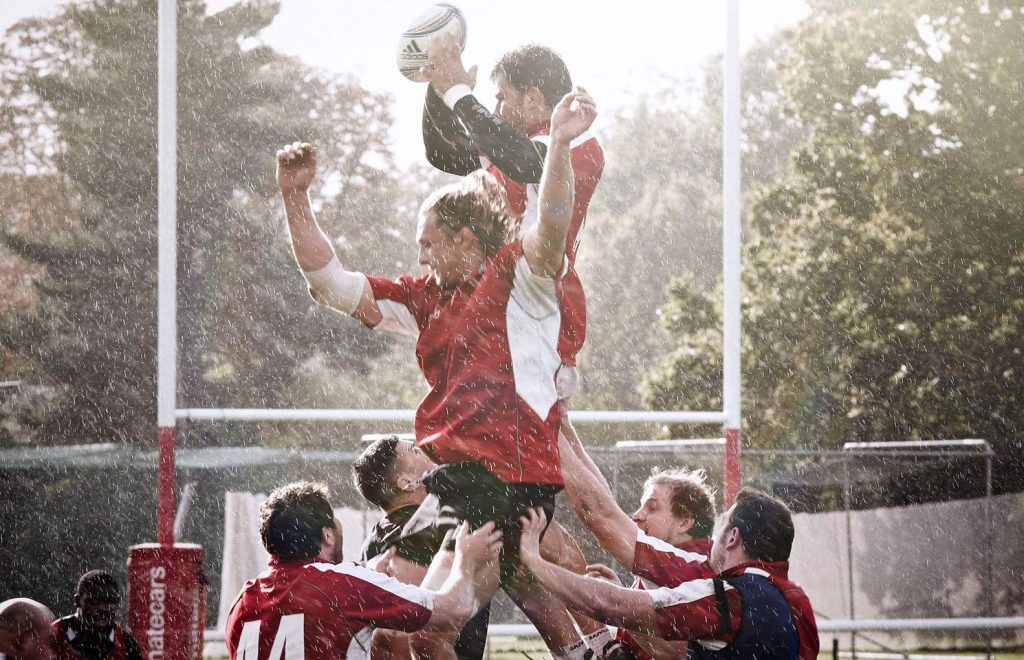
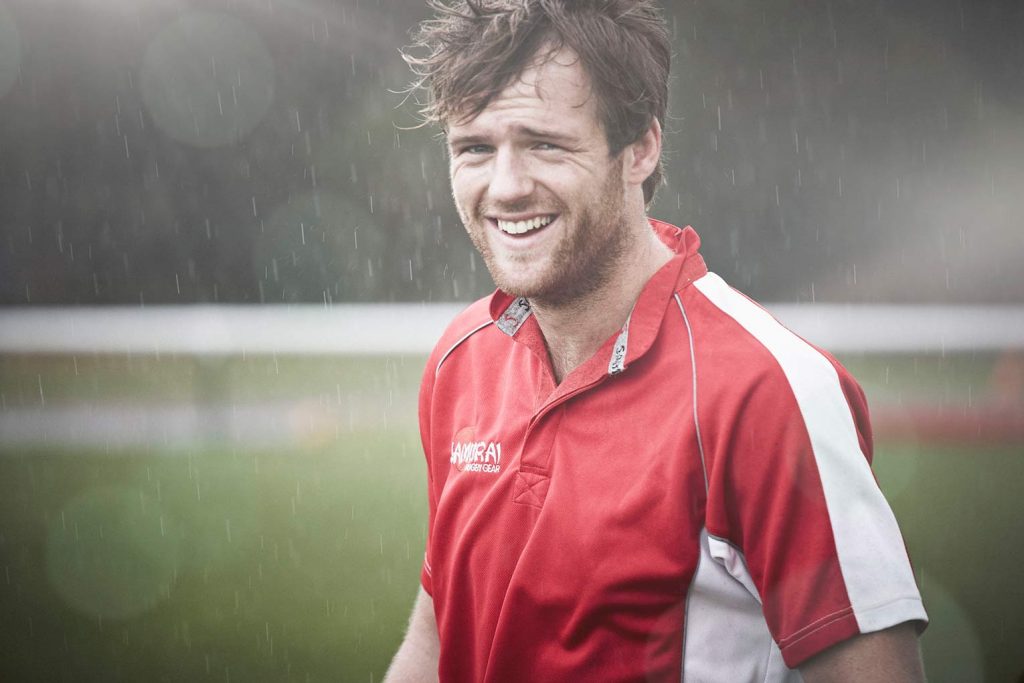
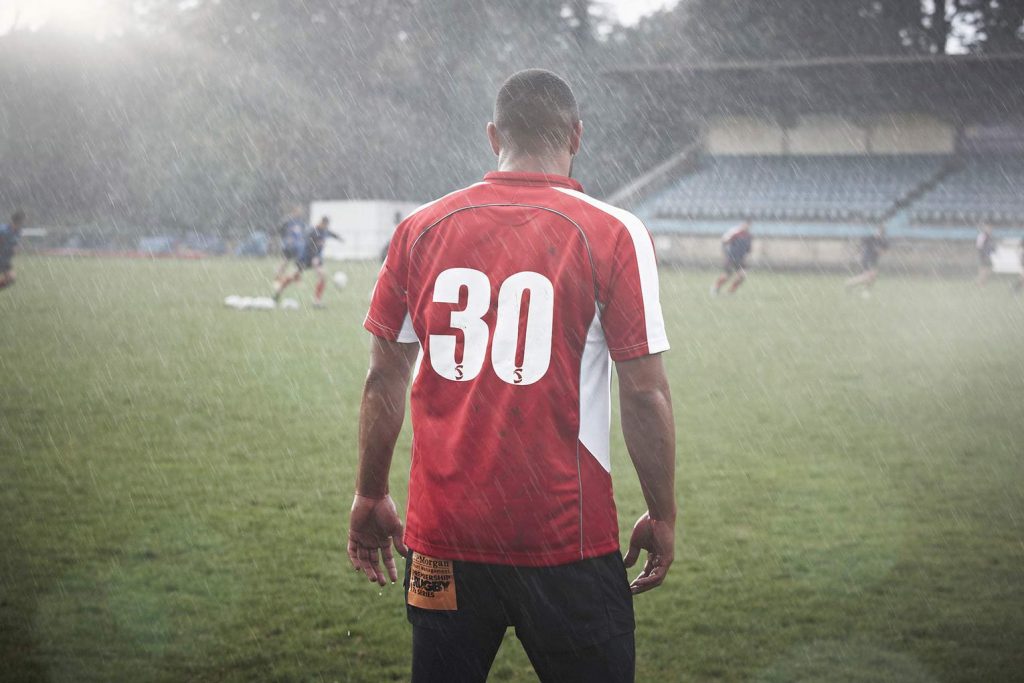
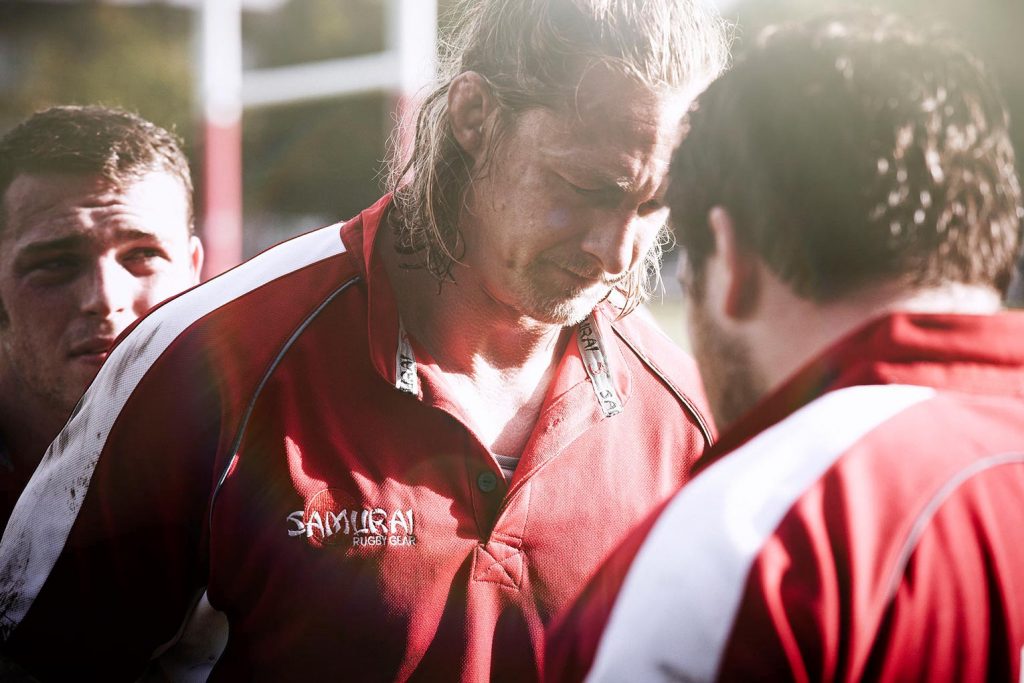
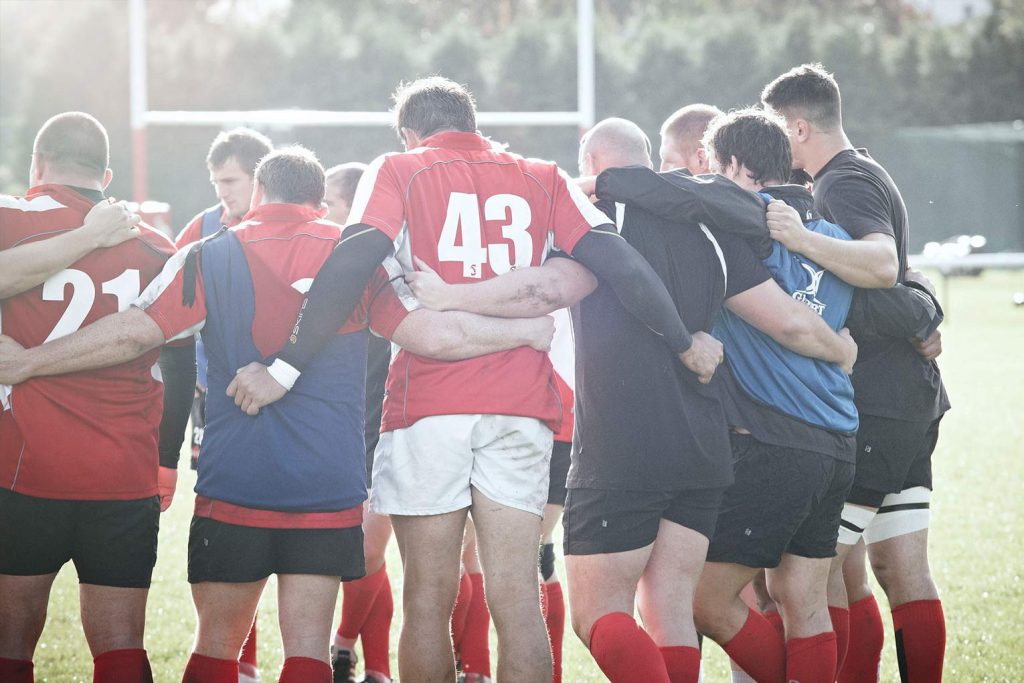
Quite a challenging brief, although on the surface a simple task its anything but when it comes to putting the images down on the page. In my case the images were taken of London Welsh Rugby Club, also known as The Exiles, as they practised at their borrowed ground in Putney.
In the Premiership but facing relegation, not even having their own ground. I wasnt sure how I would be received and the mood was indeed low but a grim determination was still there. The coach giving the his pep talk and directions, the men giving it their all even though by now the heavens had opened and it was freezing. I could see how much they still cared and cared for each other, they were a team, individually still keen to make their contribution but above all they were still there, still playing, still a team
by brentpix
|
Comments Off on Pho 704 Week 4 Reflection & Work In Progress
Borders exclude, I felt the need to look at those excluded and the fallout from their exclusion.
This led inevitably to the ongoing migrant crisis and the awful implications for those caught up in it. So many people fleeing from war zones all heading for perceived places of safety or where relatives already live.
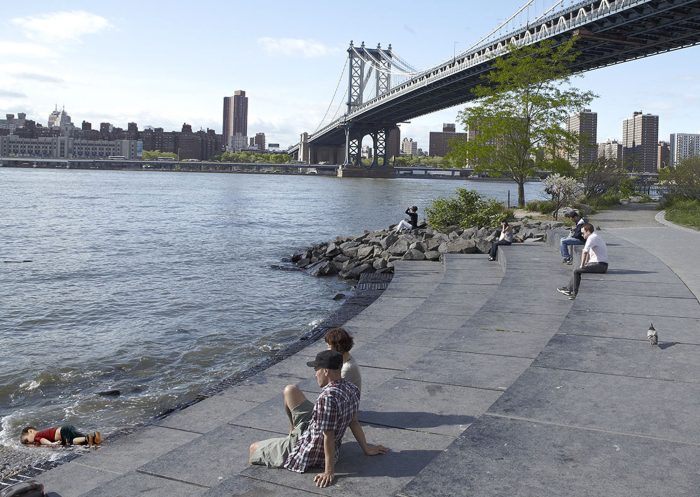
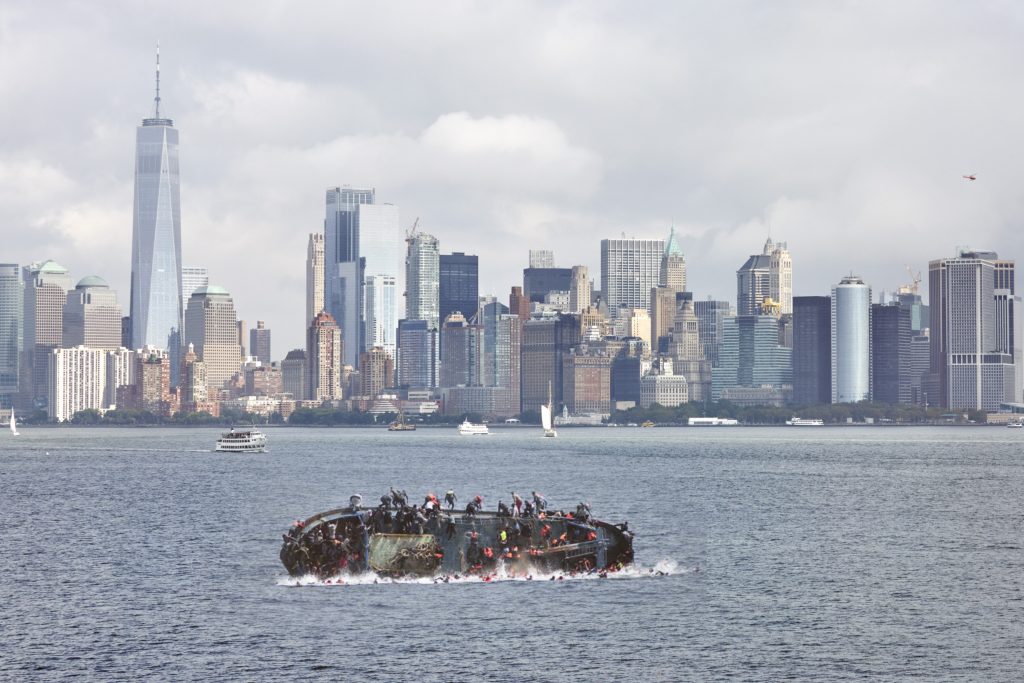
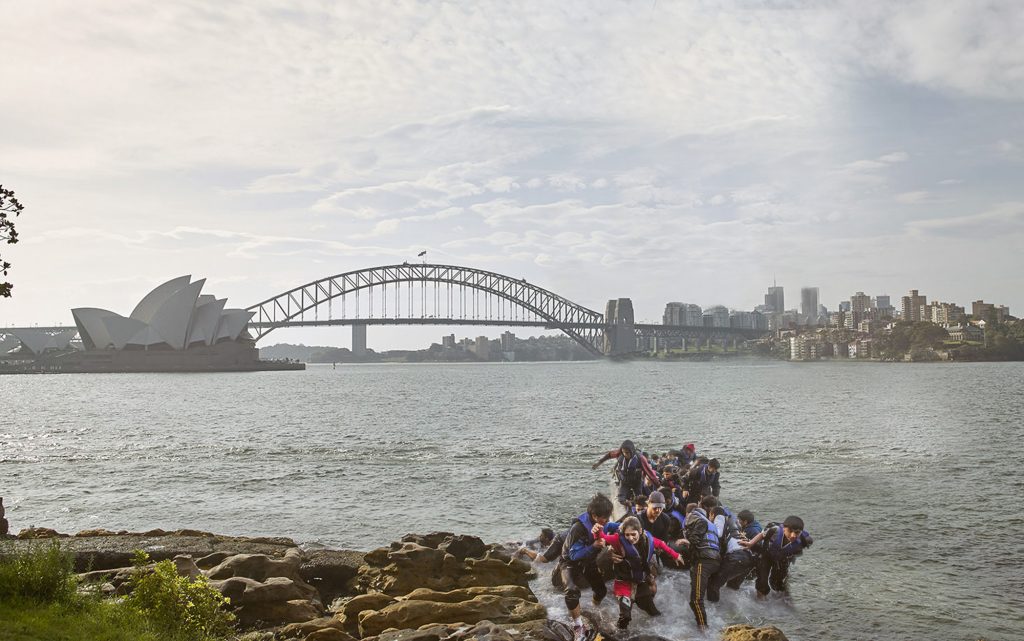
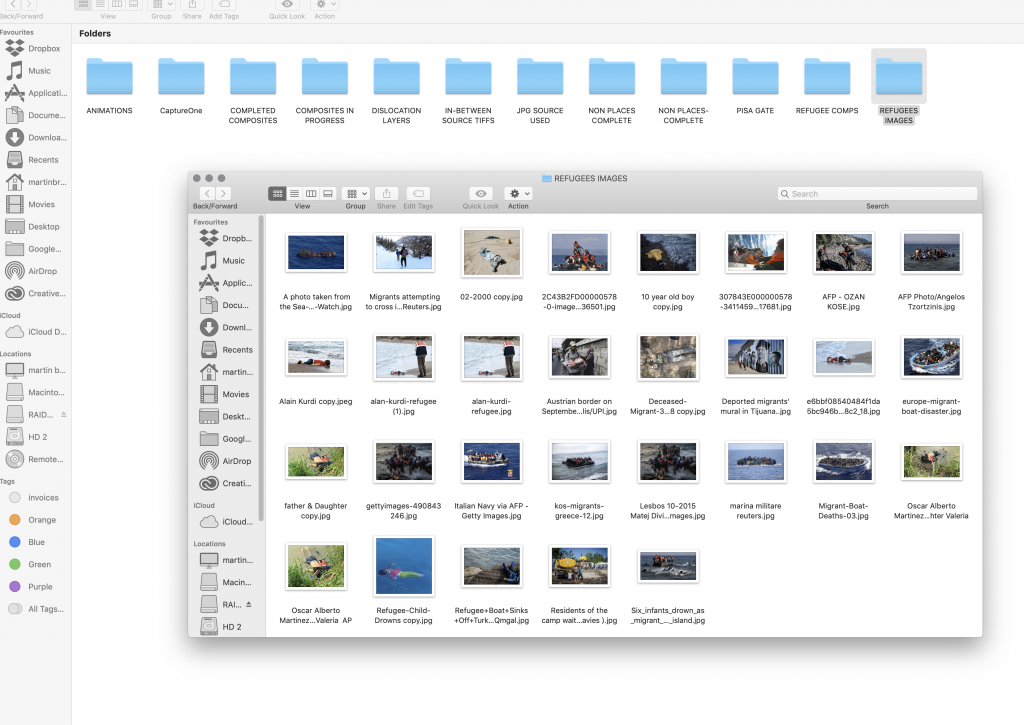
I used appropriated news imagery and combined with otherwise everyday scenes albeit of famous landmarks. I felt uncomfortable but consulting my tutors decided to see if a bigger message could be obtained.
If these events took place closer to home, literally in the capitals of the ‘free world’ would they be so easy to ignore, to leave it to another country closer to deal with regardless of its ability.
Geography dictates so much, a populations experience will be fashioned by geo political events for years without them being aware.
If these scenes were real would people still clap and cheer about building walls and blue passports?
I felt compelled to investigate this form image making but on balance I find it difficult using images of people who have no agency in the process it feels exploitative even though my intentions are the opposite.
Hudson Capsize- a refugee boat capsize off the coast of Italy, many were lost, in this case I have moved the tragedy to the Hudson, between Ellis Island under the gaze of the Statue Of Liberty, Manhattan and Freedom Tower.Sydney Harbour Landing. Refugees from Syria landing at Lesvos in Greece, taken to Sydney Harbour bay, imagine the panic and rush to help if these people were really there, by their nature most people would help first hand but the distance created by media and politics seems to mean they are reluctant or disinterested when its out of first sight.
References:
Despite researching news outlets and other stories for imagery I could appropriate and building this resource this is as far as I feel morally capable of proceeding.
References:
Capsize: Marina Militare- Reuters
Refugees Landing Lesbos: Divizna M 2015 Getty Images
by brentpix
|
Comments Off on PHO 704 Week 4: The Current Commercial Environment
This week, we began to look at the different commercial environments in which photography operates and were asked the following questions.
During the course of this week, has your opinion changed about which commercial environment you are operating in, or want to be operating in?
Not really, Ive been working in advertising photography from being an assistant to setting up my own practice for over thirty years and although the business has changed considerably in that time the basic premise of being recognised and contracted to provide images for advertising purposes remains the same, albeit via different mediums and supplying different media. The market is still very much the one I aimed to break in to in essence.
The market I want to break into now is that of the fine art gallery world and my impressions from the outside prior to to having some success selling images at a few art fairs was its impossible to break through without being in the ‘right’ social networks. I felt there was a barrier to photographers perceived as being commercial being taken seriously as artists.
Then as I had my own small successes ad my knowledge has widened I can now see many commercial photographers are also taken very seriously as artists and thats very encouraging. Photographers like Nadav Kander, someone from my part of the advertising business although a generation or two ahead of me springs immediately to mind. I see Joel Meyerowitz with a huge fine art career who also came from a commercial background as did Andreas Gursky, learning his trade via his fathers commercial studio prior to studying at Dusseldorf.
Which commercial environment do you want to explore further, and why?
As I said above I now wish to pursue building a career as a fine artist. The main reason is Ive spent decades constructing images for other people, building images to a prescribed requirement and whilst I have always and still do find this satisfying I also need to shoot to my own brief.
In addition the sales of my art so far have given me a huge sense of pride and satisfaction, knowing someone has chosen your image to display on their own wall is a feeling I find hard to convey, its a mix of pride yet massively humbling too. From a practical point of view Im not getting any younger, unexpected serious illness this year also led me to consider just how long I could realistically maintain the pace of the ad world.
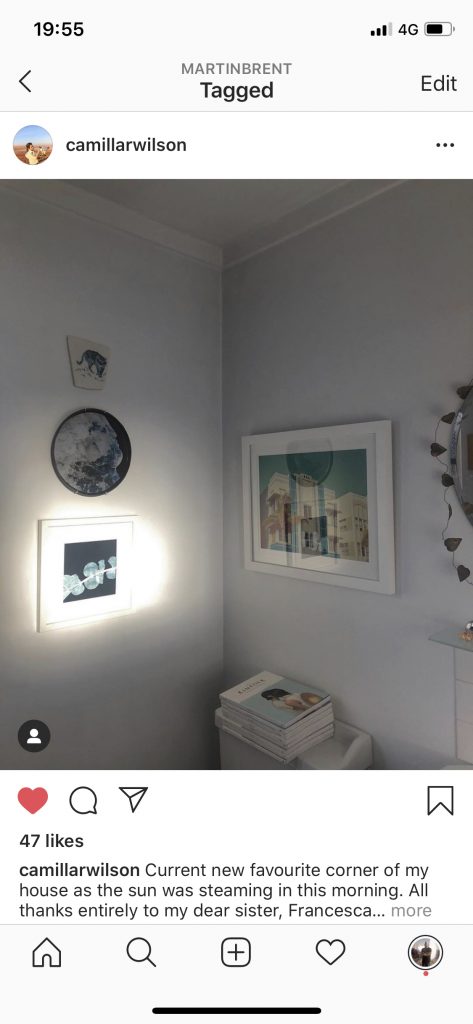
Heres a screen grab from a buyer of one of my Miami Pastel images sold at auction just before Christmas last year. She was so happy she posted into Instagram and tagged me in. Seeing the work on the wall being enjoyed by its new owner like this gives me enormous pride, more than any billboard image because the person chose to display it, you dont have that choice with advertising images.
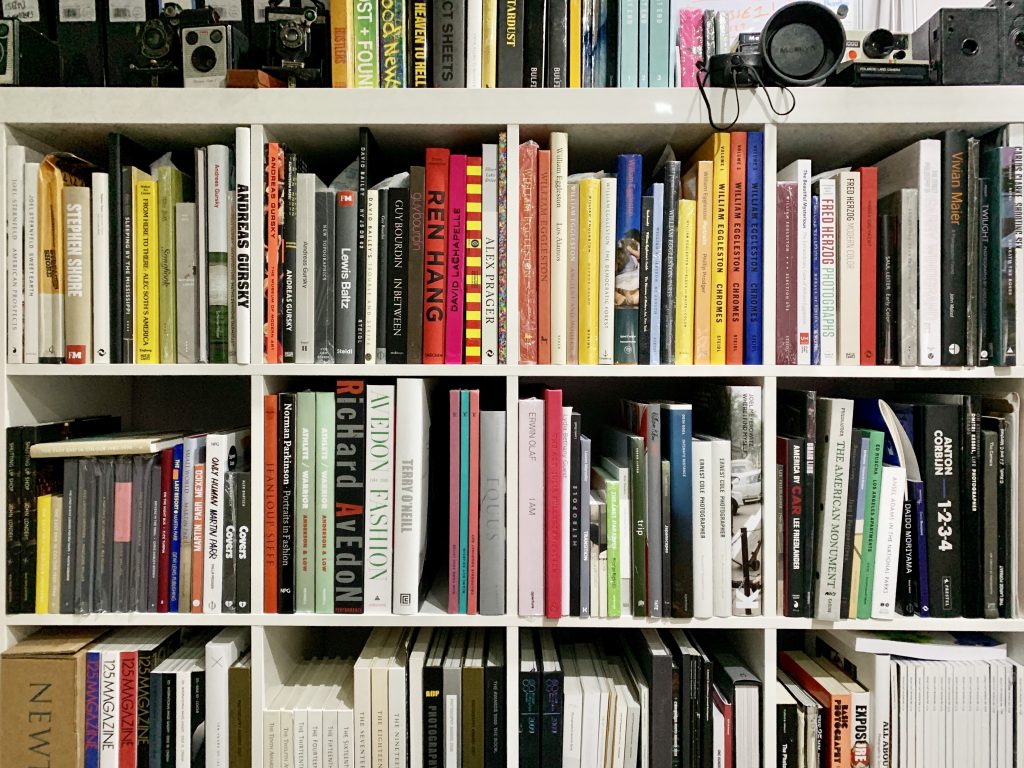
Books!
I love photography books, it seems I’m far from alone too and I would be ecstatic if I were to be able to make a photobook that people wanted on their shelf. This is an area I am very interested in, Im assuming fine art prints and book sales arent two separate things but I hope theyre not so connected one isnt possible without the other.




.webp)