Final Major Project a Beginning?

The project initially aimed to look at topographical and other features from various countries and cultures and see how interchangeable they might be since many features are now so generic globally. Marc Auget describes this phenonmenon and examines themes of  airport lounges, carparks, supermarkets etc in his book Non Places, an Introduction to an Anthropology of Supermodernity.

During the course of progressing this project I have become aware and increasingly concerned with the rise of nationalism and trend to reinstate borders around nation states. Trumpism in the USA, Brexit in the UK, any number of other nationalist groups around Europe, South America, the Middle East are keen to build new or reinstate borders, often shrink their states with isolationist policies.  This observation has given the project an added dimension above the physical aspects I will be comparing.

The obsession with ownership of the land masss, even though it may have been forcibly obtained in the past is an artifice, everything in nature is merely on loan, nothing can truly be owned.  Putting a fence around something means nothing in the grandscale.

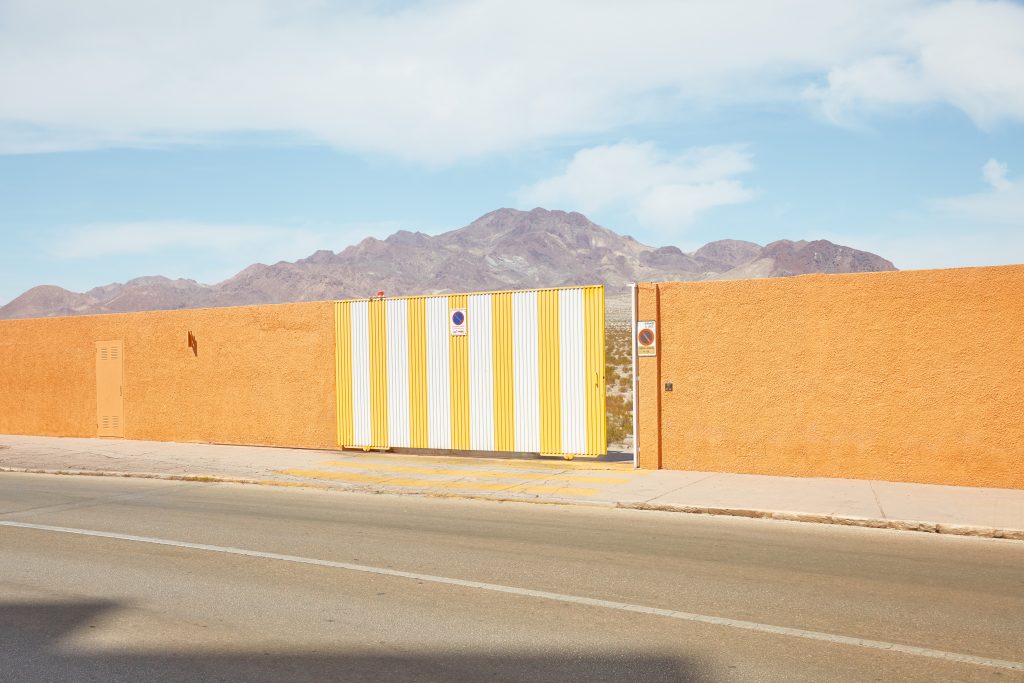
My aim is to take topographical features from two or more countries and combine them to create a new place thus circumventing any notion of frontiers, politics or borders. I will also look for my own non places. To find places with no obvious or immediate identity or automatic sense of nation state.

These could be out in the wilderness or contained within he metroploitan mass.
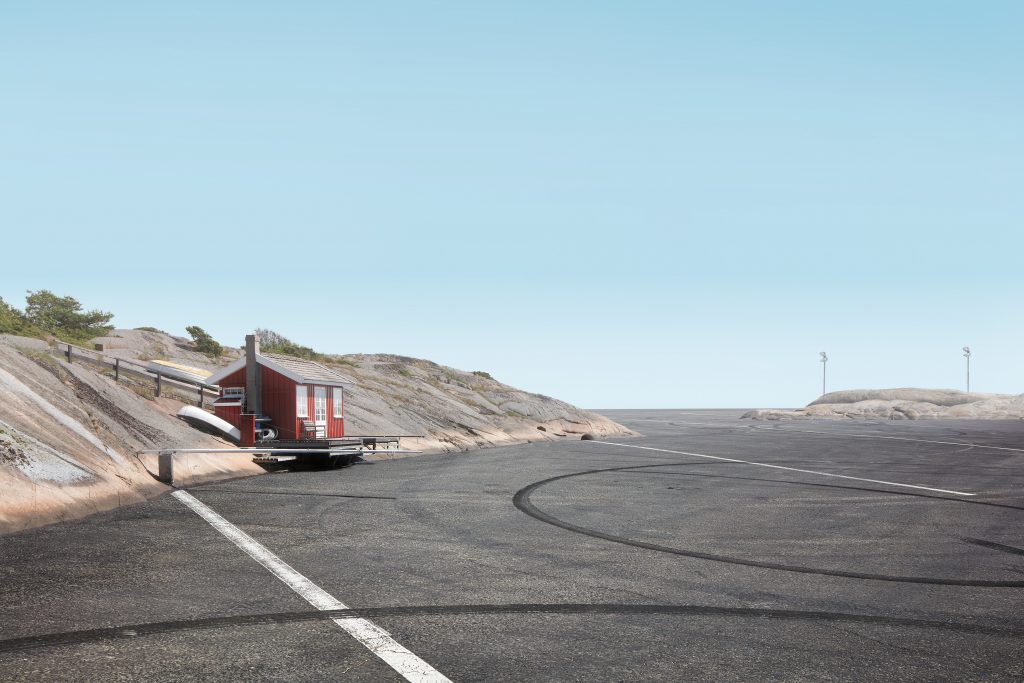
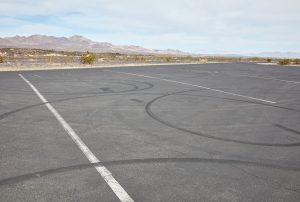
This image is made from two parts, the car park from Amboy California, the Rocks and house from Christiansand in Norway.   Although simplistic I feel this new image is a new place that could be real.

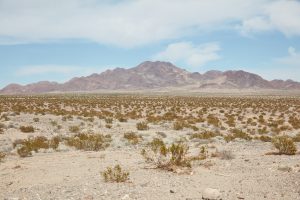
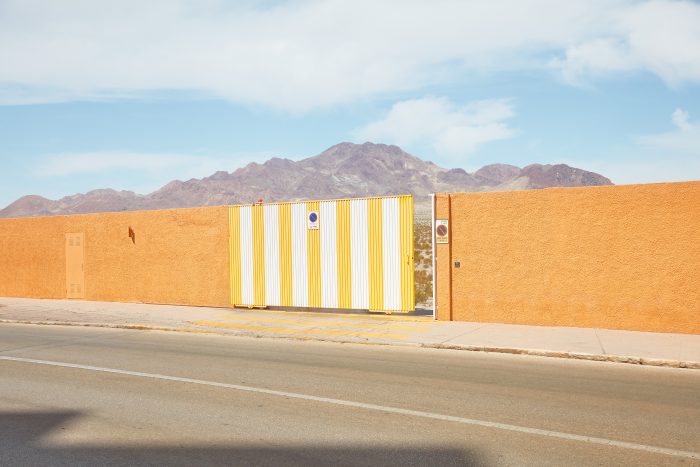
This second construction deals with a more mundane object, a wall and sliding car park door from Xavier in Spain and the mountains from near Ludlow California on Route 66.
 

To see the project evolve please visit the micro site  http://www.theinbetweenplaces.com/


PHO 701 Week 3 Rethinking Photographers.

Mike Myers caricature of a retro fashion photographer neatly sums up the wildly held public perception of what a photographer does.  This or a wedding photographer.

I don’t know a male photographer who hasn’t been asked if he does glamour shoots or weddings, it seems to be the default view wherever we are in the world and whoever we’re talking to.  Clearly media and cinema portrayal of photographers has created this perception and some photographers have played to the gallery. The perception was always of a male, possibly of dubious sexual morals who photographed girls minus their clothes.

Olympus recognised this with their ads for the Olympus Trip with the strapline “The Olympus Trip –so simple, anyone can use it” endorsed by David Bailey in a series of humourous TV adverts  spawned the famous slogan still in use today – “Who do you think you are – David Bailey?

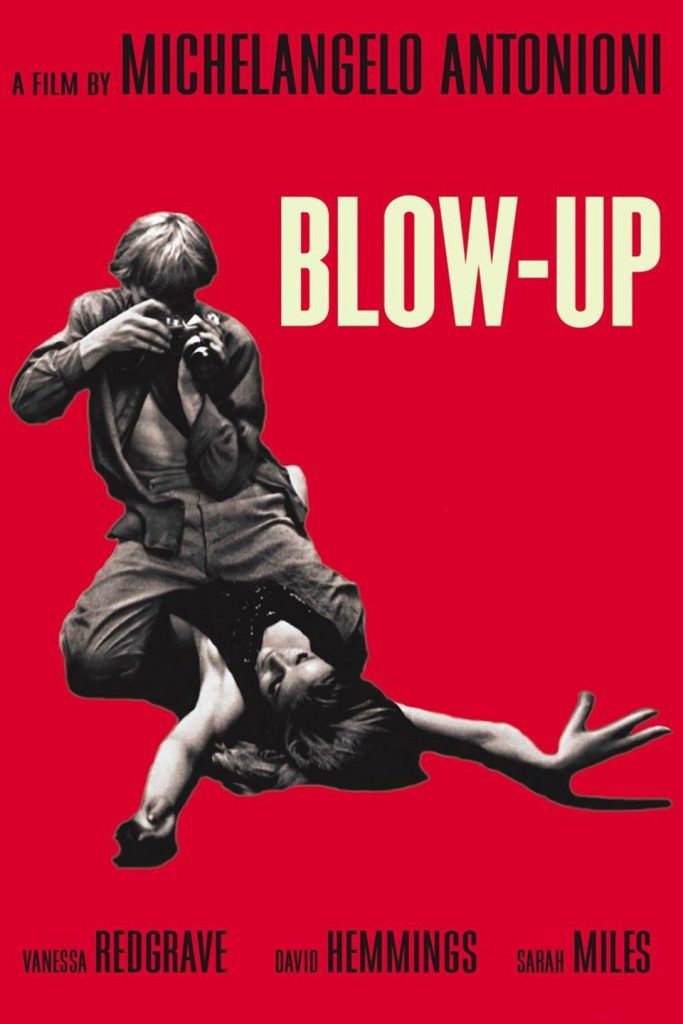
Bailey himself was the subject of the 1966 movie Blow Up staring Vanessa Redgrave and David Hemmings where the photographers camera is an extension of his gentials, the photographic process an extension of the sexual act so its no wonder the public perception became so entrenched so early.


How this translates into my own practice Ive had to consider carefully.  There’s no doubt in my role as an advertising photographer I do play a role. My working name is Martin Brent, a slight extension from a time when photographers were addressed by their surnames, ie Bailey, Donovan et al but mine was considered a mouthful and Brent was adopted.

Photographers are expected to be if not a little flamboyant certainly the dominant personality on set, the one the models and crew take direction from and this I believe has migrated from the movie industry.

‘Looking the part’ apparently is important, what that look is depends on which area people are in but there’s a look, go on any set in LA or London and there will be a profusion of people in black cargo shorts/jeans, black T shirts and vintage shirts.  A client once told me they preferred me to their old photographer as I looked like a photographer and he didn’t..  I would have preferred they liked the work better but hey take what you can when you can!

  Being a photographer it seems is a lifestyle choice but that lifestyle is subjective based on who is looking and their perspective, ie people see what they want to see.
 

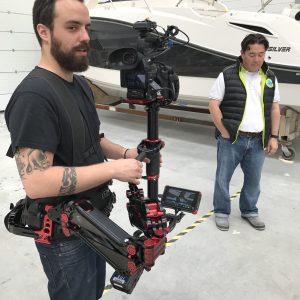
“You must have a really good camera”  words that every photographer hears and detests. The ability of a machine held in higher esteem than the person who operates it.  It’s said in innocence of course, there’s no ill intent but its interesting that the public place the success on the image on the perceived quality of the capture device.

In some respects photographers are partially responsible for this perception, our equipment was a technological bar to entry and we were very happy about this and quick to confirm it’s complexity.

The fact is most people are intimidated by complex looking SLRs and a big complex camera did mark out the territory of the pro, again the image of the zoom lens laden light meter brandishing photographer seeped into and remains in the public physch.

However since the advent of smart phones and easy access to image editing software, often within the taking app itself,  ie Instagram, most people can capture a decent image and publish it to the social media world immediately.


This means the pro photographer must now more than ever sell their skills on their creative and technical ability in isolation, the equipment as a gate keeper is gone even though the average member of the public is still initimidated by big complex cameras they don’t actually need one to capture great images.

Back full circle in some respects.  ‘So simple anyone can use it”

PHO 701 Week 2. Interdisciplinary Practice

I have found this segment very interesting, again as a journey of discovery it has been great to consider other art forms and how they have inspired or affected my own practice and other photographers. I’m still reading through everyones notes but its been exciting to see inspiration from the classics, cinema and game design.

Looking at photographers I like I have been reminded of the work of Ed Ruscha, he is a particularly interesting photographer/artist as he works in number of ways, lens based and also drawing and painting. His photographic work I was drawn to immediately, here is one of his images from his 26 Gasoline Stations mini book from 1962.

Ed Ruscha Philips 66 Flagstaff

Phillips 66 Flagstaff Arizona. taken 1962

What I liked about his approach and description is he doesnt describe himself as a photographer in the context of these images or the images themselves as works of art per se, he just shot what was there and didnt always get the camera level. Interesting to note that he struggled to sell his self published books for $3 at the time, now we would be looking at £10’000 for a decent copy of 26 Gasoline Stations!

Where it gets interesting is when Ruscha starts to paint scenes inspired by these gas stations and the LA cityscape around him.

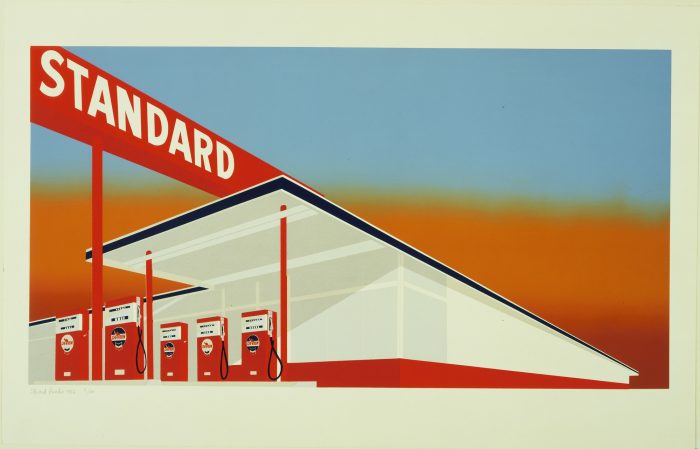
This painting I absolutely love, Standard 66, so clean, the sharp lines of the structure overlaid on what I presume is an airbrushed background which is also interesting because at this time most automobile advertising material consisted of airbrushed cars. Interesting that the term ‘air brushing’ is still very much in use to describe digital retouching of images, predominantly in beauty but also colloquially.

I wondered where Ruscha might have been getting his inspiration, we tend to think of he New Topographists as being largely responsible for the recording of the banal as a form of photographic art and thats probably true from a photographic point of view but Edward Hopper was doing this way back in the 40’s and 50’s.

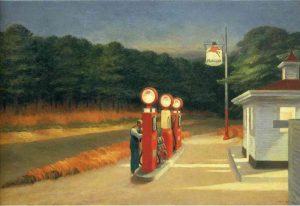
This image, rarely seen ‘Gas’ produced in 1940 reminds me of Ruschas gas stations.

Ok it has a person in it but the view point is standard, mid height, neither heroic nor diminished, it is what it is. Just as Ruscha has done and Shore and Sternfeld after him. The subject matter raised eyebrows for Ruscha, I imagine the audience reaction to this in 1940 would have been one of bemusement, why go to all that trouble to paint a gas station?

Another Ed Hopper painting I feel is hugely influential in the way we approach the built environment today is this 1953 work Office In A Small City.

The composition is tight, the view of the city is largely obstructed by the slab of the building the subject gazes from. This feels very photographic, almost as if shot on a medium telephoto lens as we have a compression of depth that is very photographic in nature.

So maybe Ruscha was inspired by Ed Hopper maybe not but I feel the connection is there and also the way Ruscha turns his own photographic viewpoint into painting form and what information he retains from an actual scene is carefully curated much as Hopper did in his room views.

The image I would like to share is one at least partially inspired by the 26 Gas Stations project and LA city paintings. This image taken at Amboy, California and draws on the banality of a functional structure but I purposefully chose the side of the sign with the most decay, I love how its slowly fragmenting and I love the colours. I completely identify with colourways of Hoppers cityscapes and Ruschas paintings.

PHO701 Week 1 The Global Image

So our first piece of reflection and wow what a fascinating and challenging start.

In terms of being challenged I find the thing that has challenged me the most is my own viewpoint, although happy to be corrected and cathartic on one level,  letting go of a long held assumption has been a (welcome) challenge which I’ll explain.

We have been asked to consider what has surprised us.

Ive always considered a photographic image to be a global proposition without really thinking about it.  Growing up when the photographic image is such a ubiquitous thing, as a child through the ever present family camera and albums full of carefully annotated snapshots, the Polaroids, looking at magazines yet I also remember being innocently surprised as a child to discover Japanese tourists in particular were extraordinarily keen photographers, again I find that feeling of surprise being experienced again during the course of the lectures.

Although I knew photography has been immensely popular historically I was surprised to learn that Daguerreotypes were such massed produced items.  Their almost jewel like preciousness in appearance always led me to a feeling of incredible scarcity which although true of the image itself being a one off, many many people were commissioning a Daguerreotype portrait which I had no clue about. According to Wikipedia three million a year were being produced in the USA alone by 1853*

*https://en.wikipedia.org/wiki/Daguerreotype

I always assumed Ansel Adams was more or less responsible for the mythologising of the Western American landscape leading to the creation of the National Parks through his book Sierra Nevada when infact it was William Henry Jacksons images along with geologist Haydens field notes that led to Congress enshrining the acreage into protected status.  So even though i’m a photographer I allowed a superficial judgement to become historical fact, a little light research would have disproven this assumption but I was happy to run with the notion as I liked Ansel Adams images and the narrative fits my prejudice.

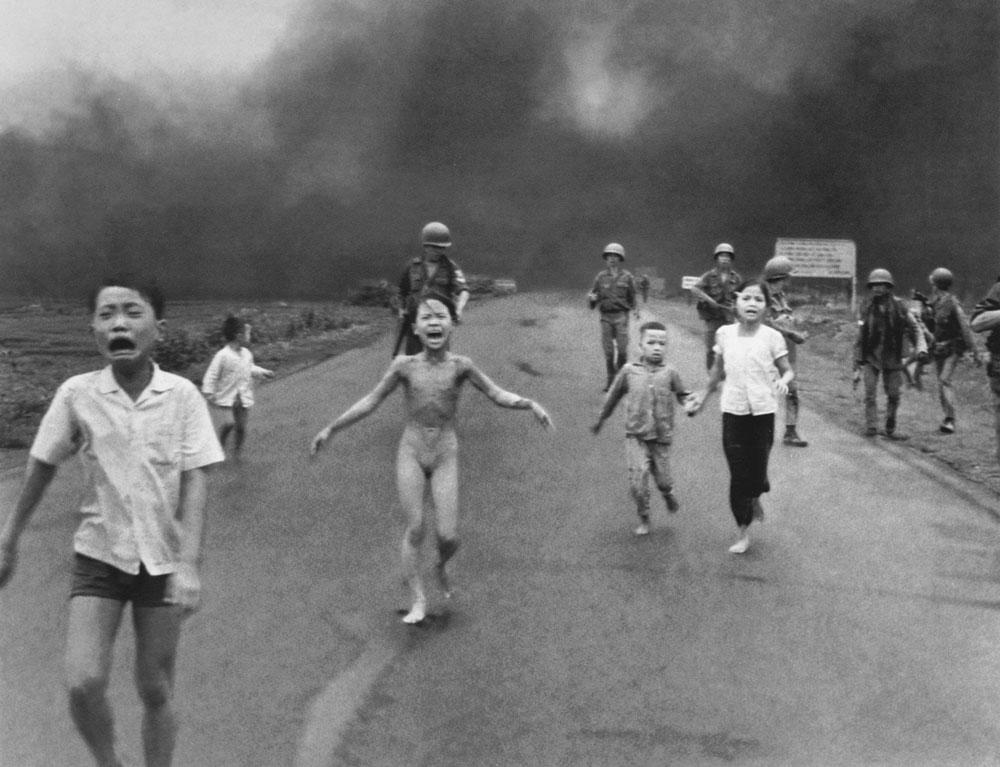
I want photographs to have the power to effect change so I guess i’m subconsciously being less rigorous in my evidence gathering, a photographic confirmation bias I guess.   The image of 9 year old Phan Thi Kim Phuc fleeing naked and burned in a US Napalm attack I liked to assume was contributory to the ending of the war in Vietnam, I’m sure it was but I had no idea there was moving image footage of the scene that held equal if not greater importance.


Image ©1972 Associated Press Nick Ut

So this week Ive learned that even though i’m a practising photographer, well aware of the tricks of the trade, photographic history to a point and therefore in theory a more discerning consumer of imagery I am just as perceptible to confirmation bias as the ‘man on the street’.

Ive enjoyed looking at my peers responses to the remaking Global image assignment, everything from Macro through people photography to cityscapes and Landscape, I feel they all based their responses on images that represent a global view and its interesting to see this concept expressed in so many ways.  The Aberfan image still brings a feeling of great sadness to me and I learned of a persecuted Bedouin community in Egypt.  The power of photography to educate and provoke emotion is as strong as it ever was.

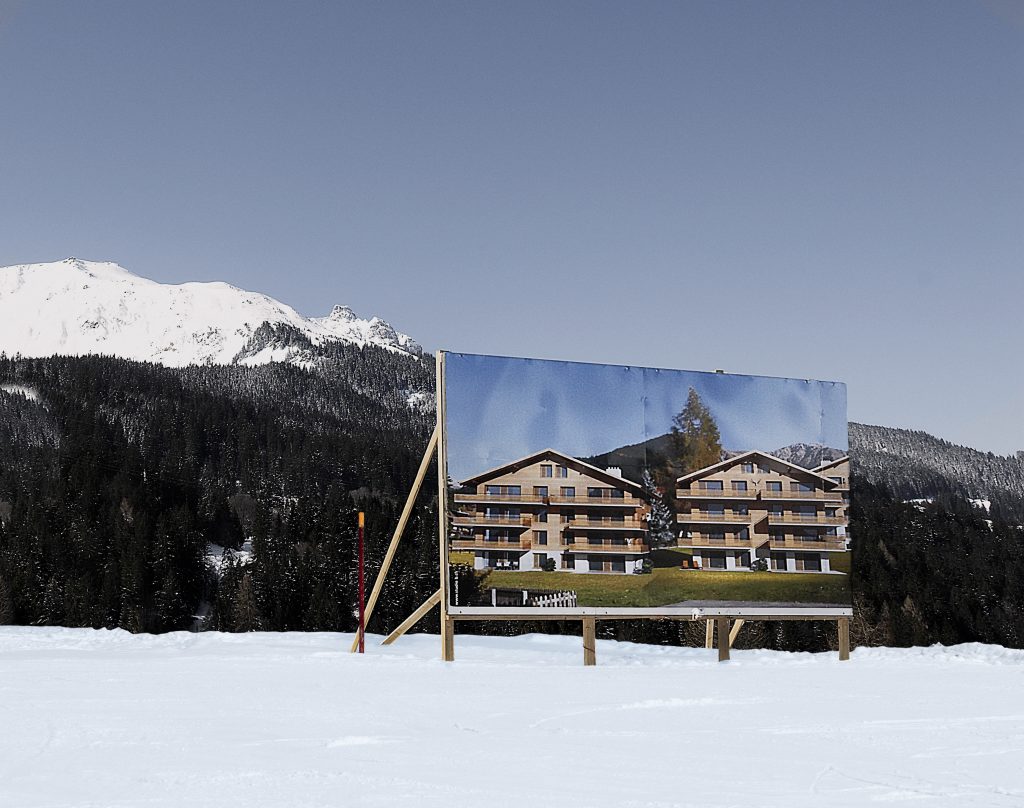
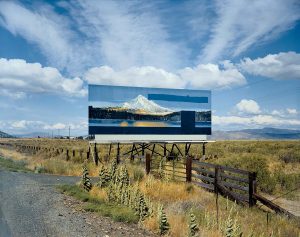
My re-make is of a Stephen Shore Image,  Federal Highway 97 south of Klamath Falls, Oregon, 21 July 1973. Part of the Uncommon Places series pictured below.

Landscape is a universal language, everyone has one on their doorstep albeit specific to their region, everyone recognises a landscape no matter where its taken as being part of the earth even if it isnt in their area or even country.  I also think human reaction to the billboard in Shores and my image also speaks universally but will of course say different things depending on the viewpoint or culture of the viewer.   as well as a sense of ironic humour I also feel a sense of melancholy at both images.  Is Shores image hinting at the development of a new suburban community or maybe leisure complex or maybe one that was planned but abandoned?  While I observed the billboard in Switzerland a group of possibly Russian tourists were really quite excited at the prospect of the new chalet buildings whilst I felt sad at imminent loss of the natural vista.

Either way without any text we all knew what the signage meant.


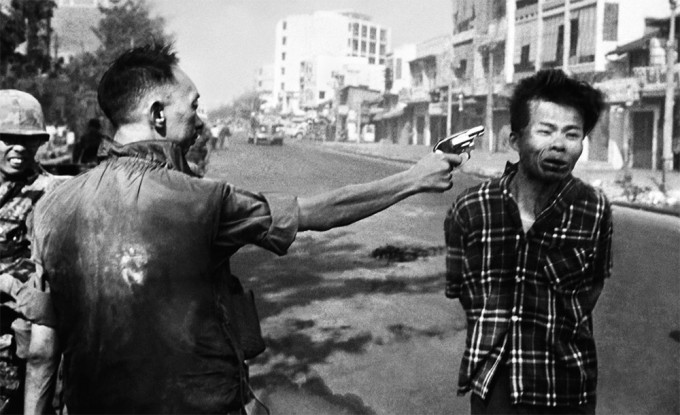
Feature image ©1968 Associated Press Eddie Adams