by brentpix
|
Comments Off on PHO 702 Week 2 A Question Of Authenticity
“I doubt if these islanders are acquainted with any other mode of representation but photography; so that the picture of an event (on the old melodrama principle that ‘the camera cannot lie, Joseph,’) would appear strong proof of its occurrence.”
The South Seas,1896, Robert Louis Stevenson.
‘The Camera cannot lie’. A colloquial phrase that remained in use virtually to the present day, only the recent advances of digital imagery and manipulation possible on a mass scale, often at the protagonists own hand via their smart phone, rendering it redundant even though the public perception of ‘airbrushing’ of beauty images was widespread and a common conversation from the 90’s onwards.
The earliest citation of the precise ‘camera cannot lie’ phrase appears to be from The Evening News, Lincoln, Nebraska, November 1895 which already throws doubt on the automatic voracity of the photographic image’
“Photographers, especially amateur photographers, will tell you that the camera cannot lie. This only proves that photographers, especially amateur photographers, can, for the dry plate can fib as badly as the canvas on occasion.”
So when Roland Barthes states ‘In the Photograph, the power of authentication exceeds the power of representation’. In Camera Lucida I actually think he’s a hundred years too late with this observation. In being welded to the indexicality of the subject matter presumes that the content of the photographic image is or was always accepted as ‘truth’ as a default position when infact the photographic images voracity as a conveyor of truth was in doubt within a very short space of time of its invention.
Clearly he also believes the image can represent a concept beyond the literal content when he states this as possibility but only as secondary to the physical content but is this true?
The context in which the image is viewed is clearly important and not just in the mechanical sense.
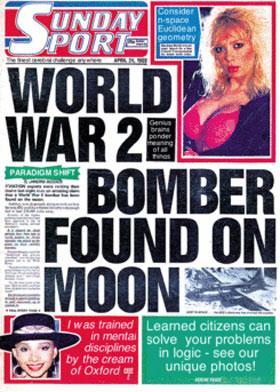
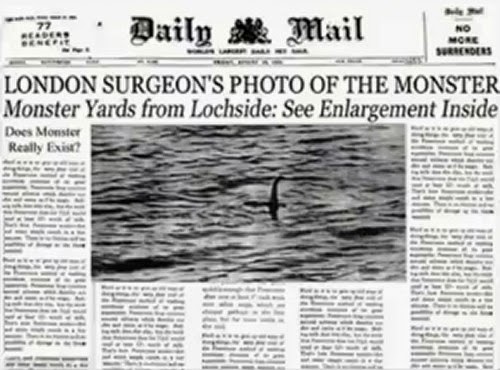
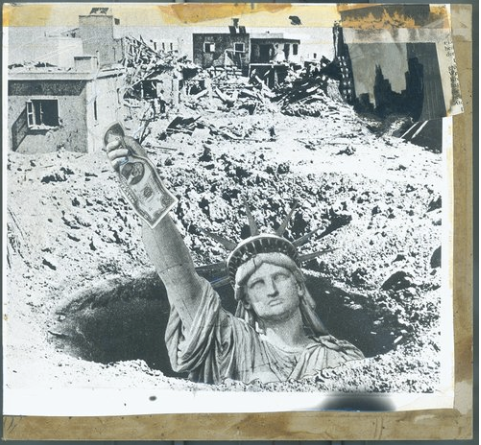
This ‘newspaper cover from 1986 due to the nature of the publication was automatically assumed to be farcical, the image surely fake. Had the same image been carried on the front cover of The Times would it have been perceived as possibly true?
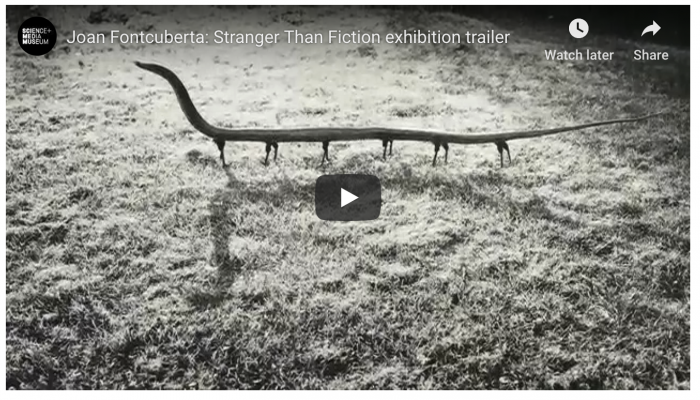
Joan Fontcuberta exploits this concept to astonishing success and has produced a series of projects presented as pseudo scientific and academic studies, presented in the language of the institution he intended to lampoon and achieved exactly that result.
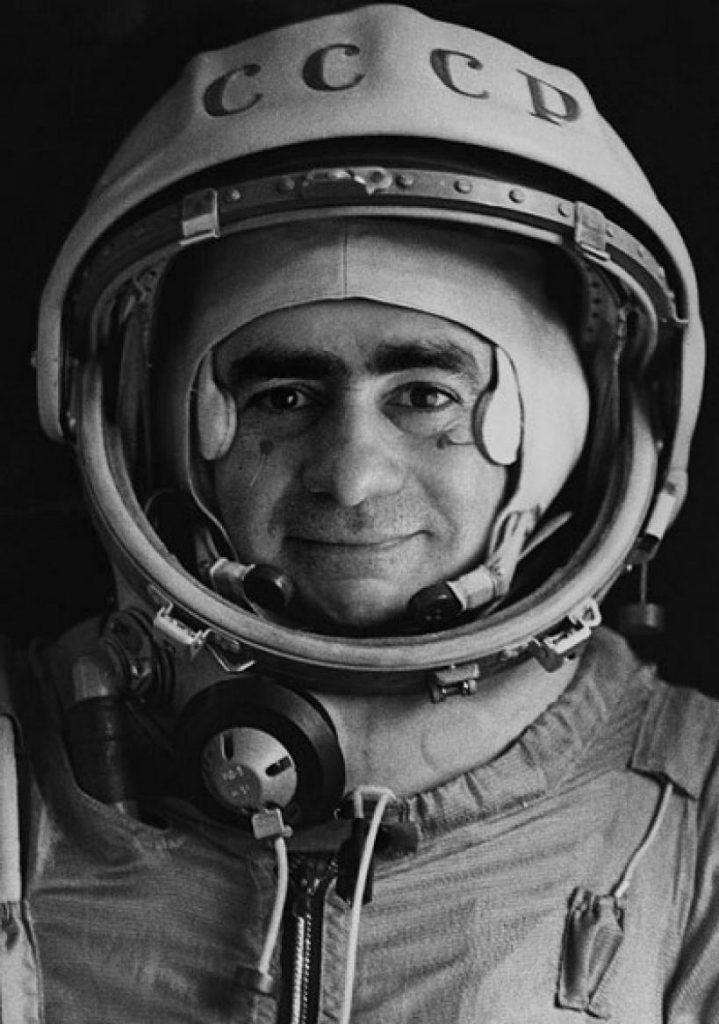
The Sputnik project the artist poses as a journalist in order to tell the supposed history of the tragedy of the astronaut Ivan Istochnikov (the closest Russian translation of Joan Fontcuberta), who was lost in space under strange circumstances and then erased from history by the Kremlin.
In order to give the story authenticity, the artist incorporates a large number of historical documents
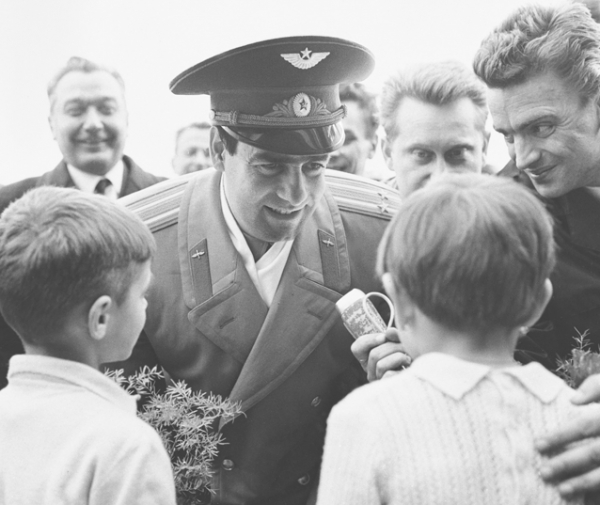
Kids acclaiming the astronaut Istchnikov in the orphanage Kids of the Revolution in Minsk, 1997
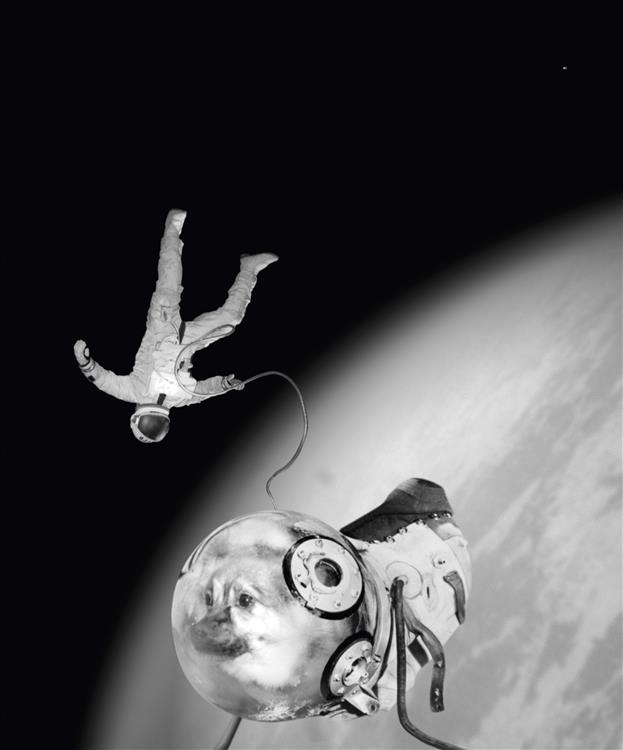
The artist appropriates and reworks genuine historical images to reinforce the Kremlins deliberate vanishing of the lost Cosmonaught and comically his dog .
The lost cosmonaught deleted from ‘historical documents’
The tragic space walk complete with dog
Thus the story was believed. Closer examination reveals Istochnikov is actually the artist himself but the ‘artefacts’ presented via a means of transmission that also exploited the general air of distrust and conspiracy of military and space exploration in particular. With a prevailing backdrop of cold war propaganda this hoax found a willing and ready to believe audience.
So even though the artist himself appears in the ‘historical’ documents the context of their representation gave them ‘authenticity’.
The fact that the distributor of the story was an ‘investigative journalist’ again played by the artist, also confirmed the authenticity of the story because the audience was receptive and this is how they were used or conditioned to receive such ‘news’.
The historical precedent for this was already set with the Daily Mails front cover on the morning of April 21st 1934
The Daily Mail front page, April 21, 1934
The fact the image was a photography (cameras cannot lie) it was carried in a ‘respected’ news source and in addition the witness was a surgeon, therefore of unquestioning standing the story was regarded as true.
What is the difference between this image and the WW2 bomber found on the moon story?
None- it is only the representation that gave one credence and not the other even though both were false.
Thus the means of delivery and the context in which the images are viewed is clearly important. Given my own project aims to present a manufactured landscape intended to deceive the viewer into believing the places are real then this suggests the presentation of the images is an important factor.
If the images are viewed in a formal gallery setting or in a photo book is this enough in itself to secure the ‘reality’ of the places depicted in the viewers mind if for instance the show or book was described as contemporary landscape and staged in a gallery of standing and a book given an authoritative academic foreword etc etc?
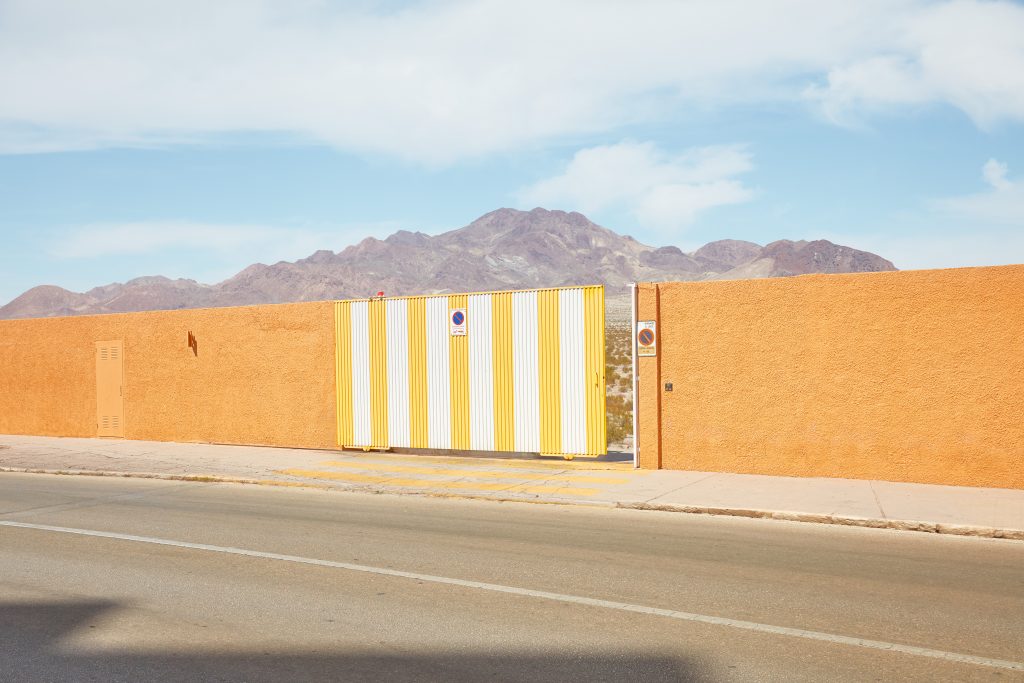
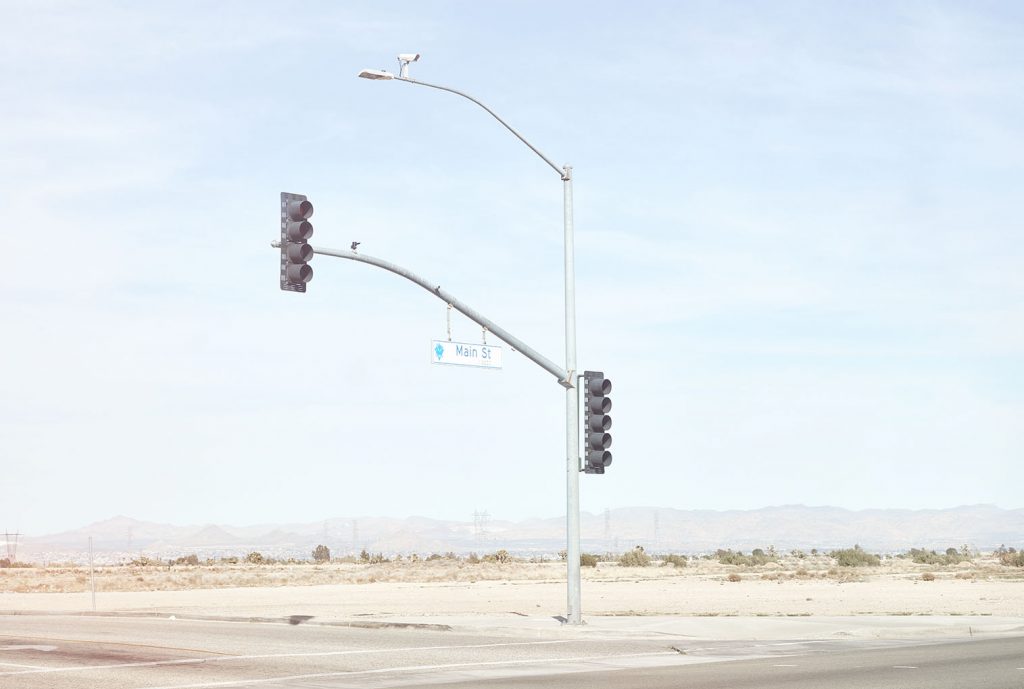
What if this image was recaptioned ‘Ludlow California, Bullion Mountains Access Gate’ given the current nationalistic tone to the news and society would many people question these mountains were now ‘gated’?
only a couple of minutes but show not only his artistic works but also how he himself becomes part of the work itself. The borders between photography, film and performance art all combined seamlessly to create the narrative.
by brentpix
|
Comments Off on PHO 702 Informing contexts Week 1 Task. The Nature Of My Practice
We have been asked to share a brief summary that explains the ‘nature’ of our photographic practice comparing and referring to one of three case studies included in this weeks lecture.
Demonstrate how your work emphasises the characteristics of a particular case study;
Note how these case studies may not fully represent the full nature of the photograph within context;
Demonstrate that certain characteristics are more / less important to your own practice within its intended context.
Its difficult to contextualise your own work specifically to the practice of another photographer, since they all have very different viewpoints, methodologies yet at the same time overlap a great deal. Aesthetically my practice would be very easy to relate alongside the work of Stephen Shore, however my intent when I made the photographs and process may be very different, actually not dissimilar to John Szarkowski who I have been very interested to learn about this week.
Szarkowski insists photography should be appreciated as an art form in itself which I entirely agree with and whilst being very democratic in his view of who should be creating photography and what of, welcoming images of the vernacular by established and unknown artists alongside amateurs for inclusion in his publication ‘The Photographers Eye’ is then quite prescriptive with his view of what the the uniquely inherent qualities of a photograph are for it to be regarded as such. These being the thing itself, the detail, the frame, the time and the vantage point.
Thus Szarkowskis focus is very much on the photographer and their process rather than the image itself. In my practice I am also very concerned about the process but disagree with some of the assertions Szarkowski makes, the image, for me, always trumps the process but is simultaneously reliant upon that process for its success.
“The first thing that the photographer learned was that photography dealt with the actual; he had not only to accept this fact, but to treasure it; unless he did, photography would defeat him.” Hmmmm maybe, maybe not. Here although he is quick to point out the actual thing photographed isnt always the subject of the photograph he still suggests the photograph can never escape from the physical reality of the thing photographed. However to my mind this doest take into account the thing photographed can often be merely an element or ingredient to another photographic image. the object captured when repurposed may cease to be that object totally but to be fair my view on this has been shaped by digital photography and manipulation that is common place now but certainly not when Szarkowski made his observations in 1962.
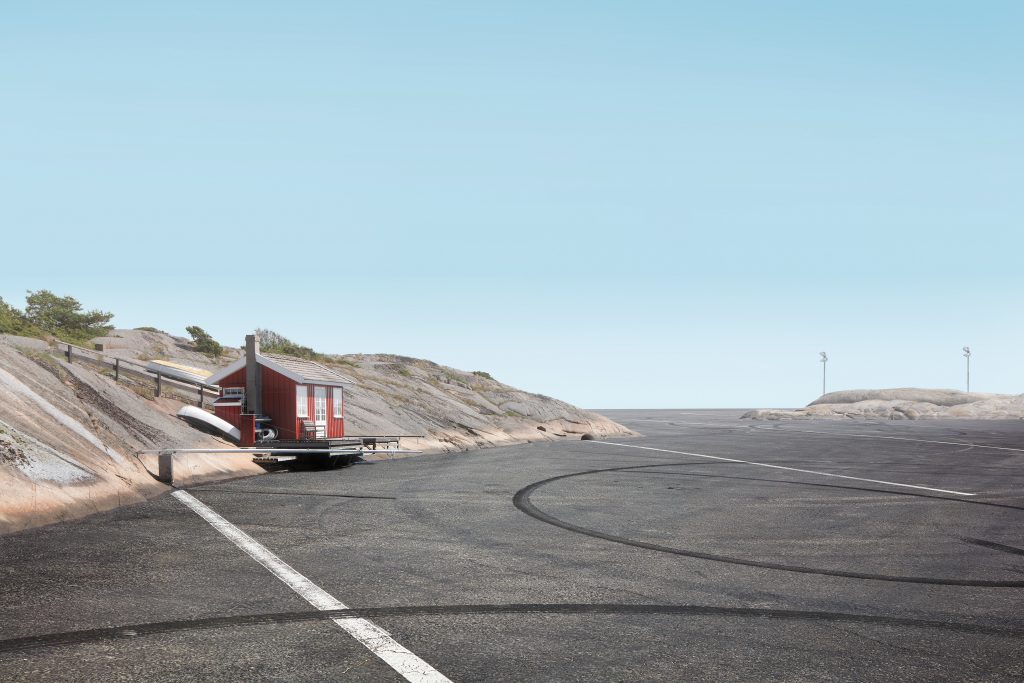
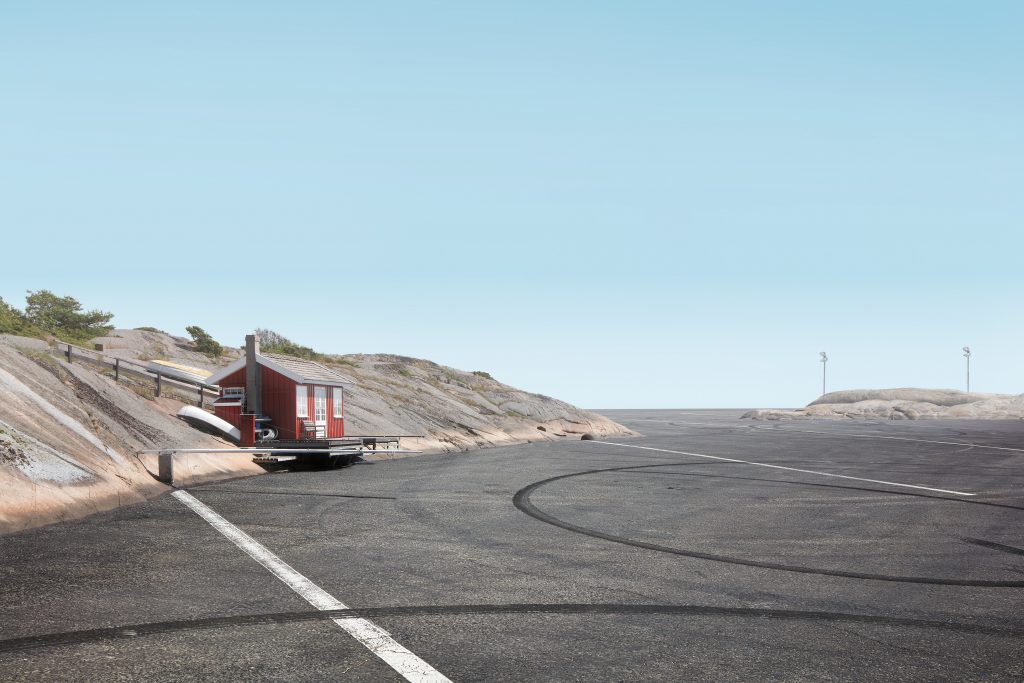
He also says “A photograph evokes the tangible presence of reality.” In my image Red Hut I have repurposed various elements and surfaces to create a new reality which I think could confirms his assertion is correct in terms of my practice but equally there are photographic elements contained that are wholly ficticious and as such slightly disprove his assertion that essentially the thing will always be the thing.
The details and the frame, “The photographer was tied to the facts of things, and it was his problem to force the facts to tell the truth.” in essence the photographer cant capture the entirety on fragment of a scene which is true but the photographer can give the impression of entirety by choice of framing and the vantage point. By selecting a wide lens and including the horizon the impression of the entirety of a scene is given. Szarkowski is correct though because that framing and viewpoint could be hiding the fact the photographer is actually at the edge of that scene, it doesnt extend behind the camera or even to the immediate sides.
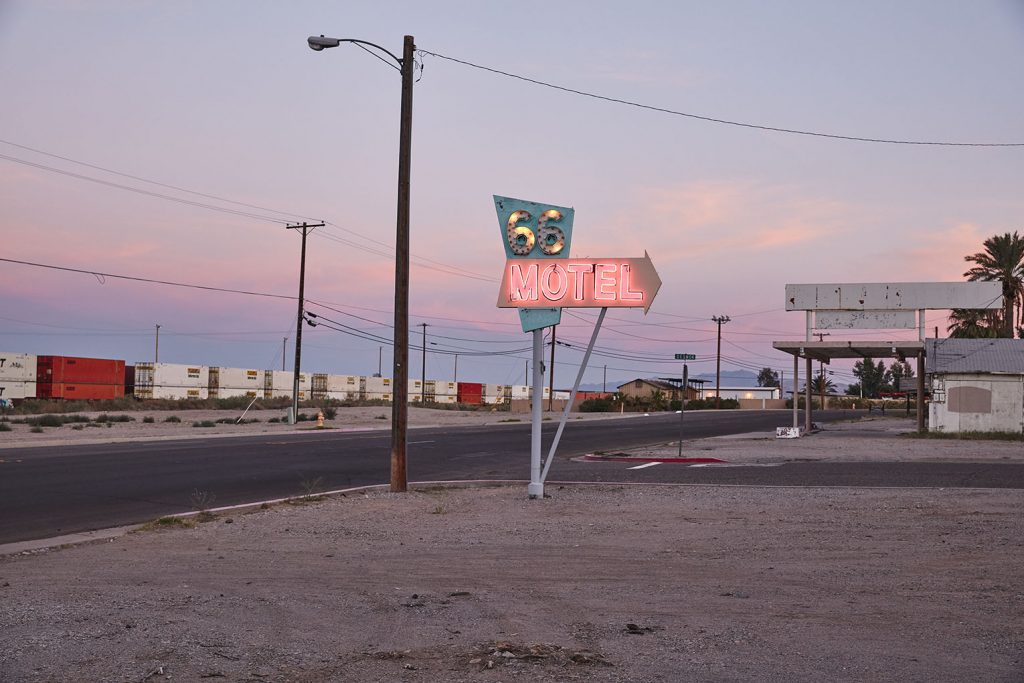
In my image above 66 Motel I have chosen to exclude the actual hotel, preferring the juxtapose the neon sign with the open sky and railway, including the shuttered up building I wanted the viewer to ask the question if the 66 Motel actually still existed, is it now just a bare lot? Again this is somewhat at odds with Szarkowskis assertion that photographs are not very good at giving a narrative, to tell stories as indicated in his critique of the 19th century montages of Robinson and Oscar Rejlander – which were composited scenes from several posed negatives, intended to tell tell stories – “merely pretentious failures”. I would argue that whilst its true the photograph itself merely conveys imagery the framing and detail do provide the clues to allow the viewer to form a narrative. Stories are always in the mind of the recipient whether it is a read story, one narrated or one taken from an image.
Finally time. Szarkowskis notion that the photograph as a parcel of time, taken from the moment and preserved in perpetuity in the in the present of the photograph is interesting and true. The image is a literal representation of that moment but the moment captured could be 10’000th of a second, is using high duration flash or it could be a very long period, a time exposure which could in theory be limitless. The photographer can choose to give clues or is betrayed by the technology. A motion blur on a flapping wing for instance may be a choice but equally may be the motion was impossible to freeze with the technology available.
So the nature of my practice I feel is both in tune and at odds with Szarkowskis five attributes. Stephen Shore, well known for his depictions of the American vernacular is more concerned with the image itself as an object in its own right. He acknowledges the way we construct photographs, and the way we look at and understand them. To formalise this process Shore calls these ‘levels’, which are ‘physical’ ‘depictive’ and ‘mental’. I wont discus this in detail here now, theres a whole other post to write about this but taking one element I feel is very relevant to the nature of my own practice. Time.
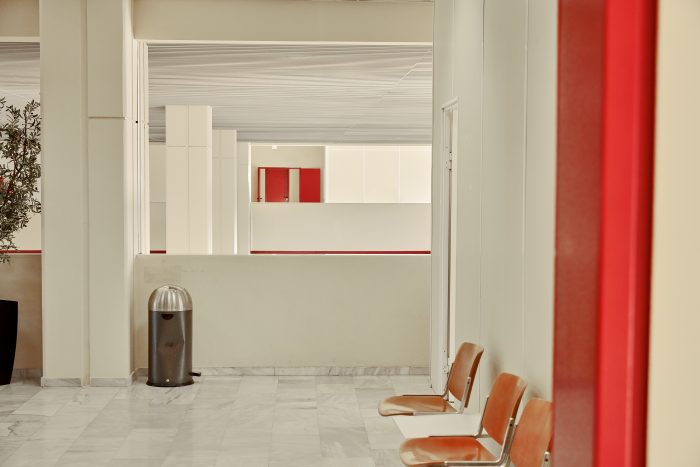
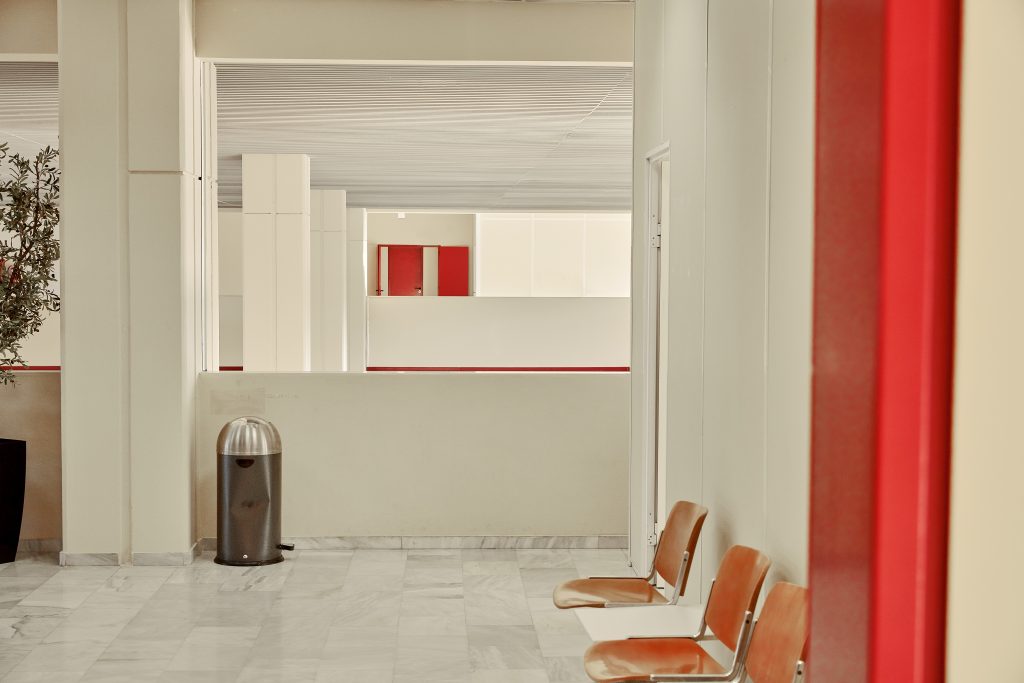
In my Image waiting Room there are no visual clues as to the passage of time, it could be a fraction of a second or a time exposure of seconds or even hours. Stephen Shore refers to this as “Frozen Time’ one of attributes he includes in his second level ‘depictive’ Shore also talks about frame but insists that a photograph has edges whereas the world does not. Again this is very relevant when we look at images and how photographers attempt to convey distance or space which ultimately will have to be enclosed in the physical frame of the two dimensional photograph.
So in summarry, leaving detailed discussion of Shore to one side for now I feel Szarkowskis five attributes are correct but are a little inflexible, technology has changed so its possibly just a case of not ageing perfectly but the essence of them remains true and certain relevant to my own practice.
References.
All images my own.
The Photographers Eye John Szarkowski Published by The Museum of Modern Art, New York; 01 edition (21 May 2007)
The Nature Of Photographs Stephen Shore Phaidon Press; Second edition (February 1, 2007
by brentpix
|
Comments Off on PHO 702 Week 1 Informing Contexts Human Choices, My Personal Practice and Where Am I Going?
Human Choices
Leaving aside my commercial advertising practice my personal practice is prolific and extremely varied. I will shoot landscape, cityscape, street documentary and portraiture. I’ll pursue the banal, and then be concerned with only subjects of a certain colour, unintentionally symmetrical or follow a pattern or form. Humour, light and shade, irony, the human condition. It’s rare I have a set purpose beyond setting a few rudimentary rules for that day or week.
However social commentary is a definite theme that is omni present and that crosses all the boundaries of the subject matter that interests me.
In effect I have a number of projects occurring simultaneously, in some respects this is a slightly chaotic approach and can leave me struggling to decide which images to work with which is a weakness of my working methodology but possibly unavoidable for the time being as my life is in itself transient as I undertake paid commissions.
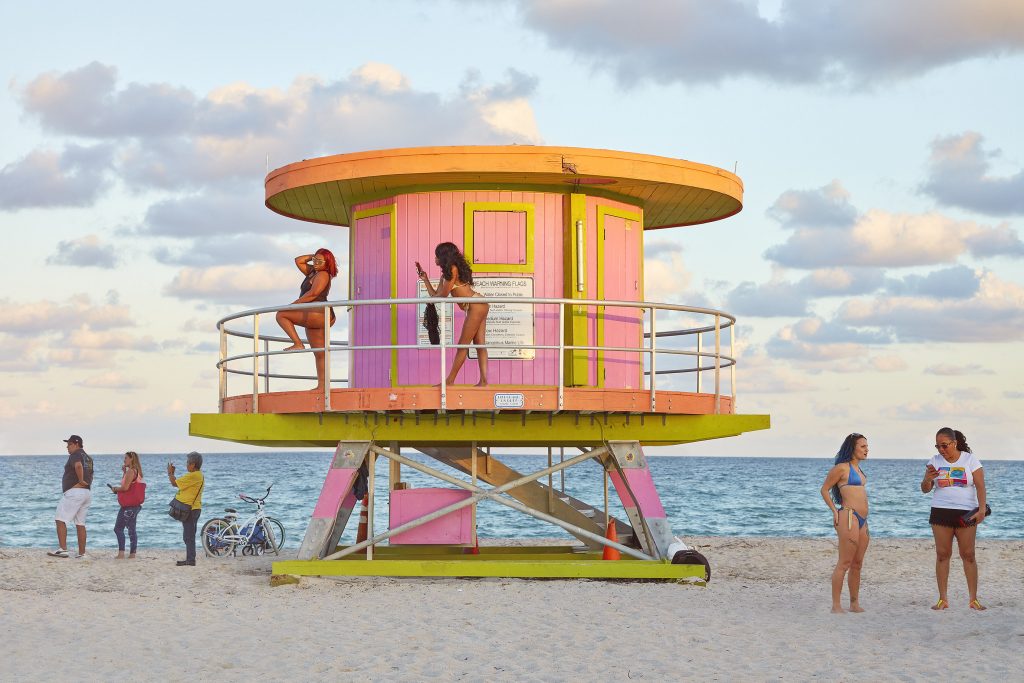
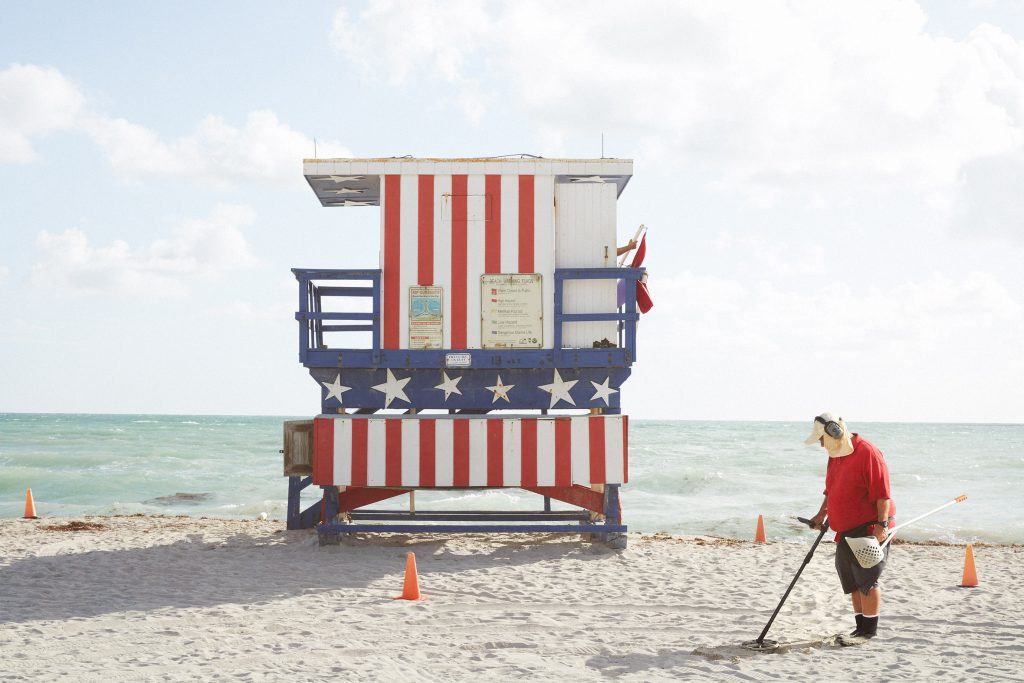
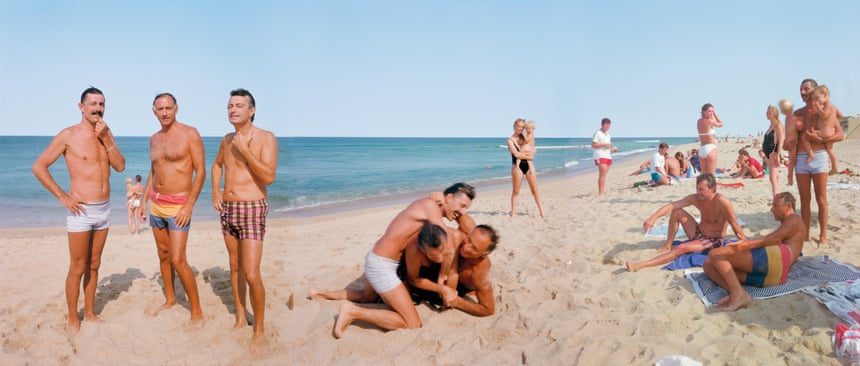
As a consequence it can take me a number of years to realise a project. Occasionally I will find something that I can accomplish very quickly. The South Beach Miami series is a good case in point, I knew I wanted to feature the deco lifeguard stations, what I wasn’t expecting was the way beach goers interacted with them be it in selfie imposed isolation or in a small group. Once I knew what I was looking for two days visiting the beach in the right light was enough to generate a small study which was subsequently awarded at the International Photography Awards in 2018.
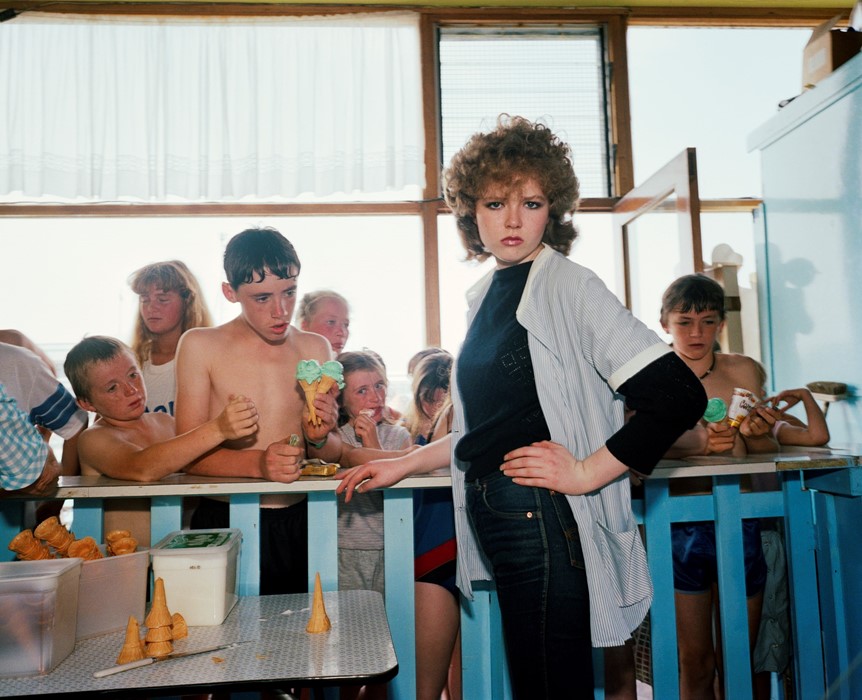
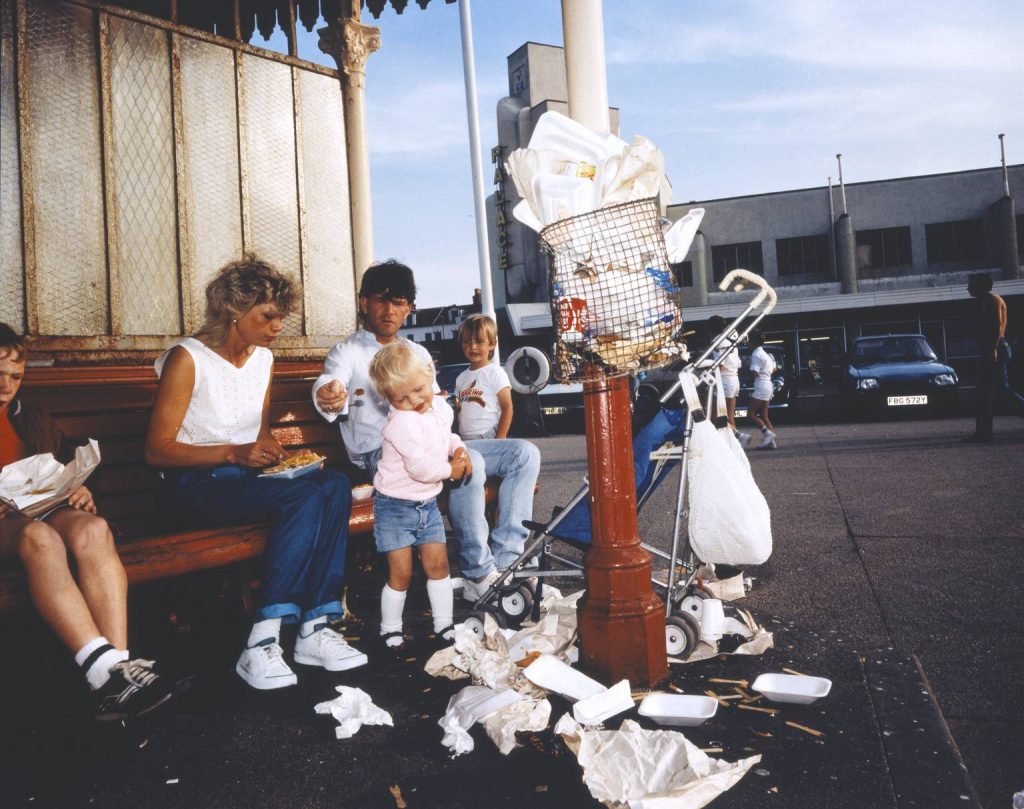
These images do put me in mind of Martin Parrs Last Resort book, shot from 1983 to 1985 in New Brighton, near Liverpool, the images concentrate on the public ‘enjoying’ the beach and facilities of the resort. Parrs images are much generally tighter in frame and often flash lit. The work is not without criticism, some saw it as a cruel sociopolitical commentary Robert Morris said in The British Journal of Photography that “this is a clammy, claustrophobic nightmare world where people lie knee-deep in chip papers, swim in polluted black pools, and stare at a bleak horizon of urban dereliction.”
Parr explained that, “At the time, when I first showed it in Liverpool, no one batted an eyelid because everyone knew what New Brighton was like. And then when I showed them in London [at The Serpentine Gallery], there was all kinds of responses; people were somewhat shocked.”
My images are arguably not as invasive although I am making a social commentary, my main motivation was initially trying to match the colours of the huts to the people but soon became very aware of the selfie and posing culture of South Beach which the shots then became more about and more voyeuristic.
The viewpoint of these images is that of an outsider, I find I am often conflicted about featuring members of the public, it can feel a little predatory, the criticism of Parrs images often rings subconsciously so if I were to criticise them maybe getting in closer might be better sometimes for a stronger shot? Am I invading the subjects privacy? They’re on a public beach but obviously unaware Im capturing their moments, the slight distance I think reflects this conflict. My choices therefore are possibly compromised because of my unease.
Maybe my work is closer to Joel Meyerowitz approach who famously stepped purposefully back to allow the whole scene to be revealed, the events surrounding the event, often just as interesting.
Stuart Jeffries interviewing Meyerowitz for The Guardian talks about one of his favourite images that depicts a Frenchman who has fallen outside a Paris Métro station one day in 1967. ” By this stage, Meyerowitz had started to take longer shots – moving back from eight to 20 feet from what he sought to capture. It’s a shift from chamber music to symphony. Everybody is looking at the fallen man, the chic young woman descending the station steps, the delivery guy pushing boxes on a trolley, a cyclist swivelling to get a better look at a stranger’s misfortune. A worker in overalls even steps over the prone man, carrying a hammer that takes on sinister import”
“Those fuckers,” laughs Meyerowitz. “Not one of them helps him up.”
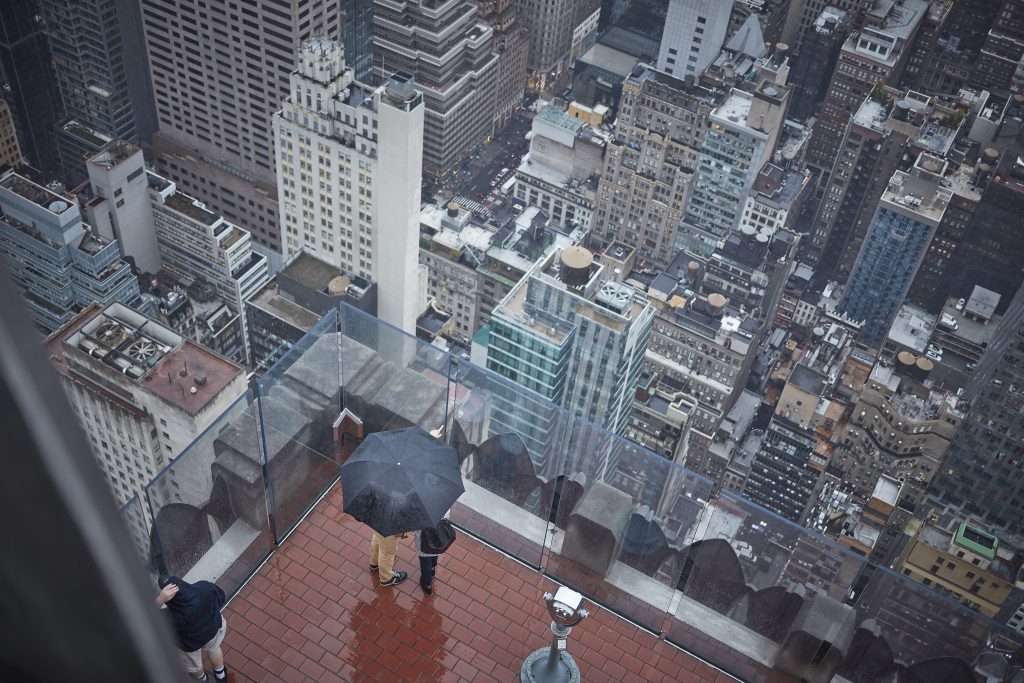
On a recent time limited trip to New York I had a lot of thoughts whirling around my head about my observations on how the city and the population has involved to interact depending on who they are, social status since etc etc its highly unlikely anyone working in a service industry could actually afford to live in Manhattan. Theres nothing unusual about this but Manhattan being an Island somehow magnifies this. Thus you have an unofficial segregation situation whereby the less well off occupants vacate it after work finishes. As we were based in Jersey City for this trip I found myself part of this twice daily movement of humanity.
This is clearly a huge subject and I could spend many years trying to document, make sense and comment on this, I had various narratives flying around, mainly revolving around individual stories, maybe a series of portraits of the workers and how to tie this back into the architecture however that would have to be for another time but then something happened.
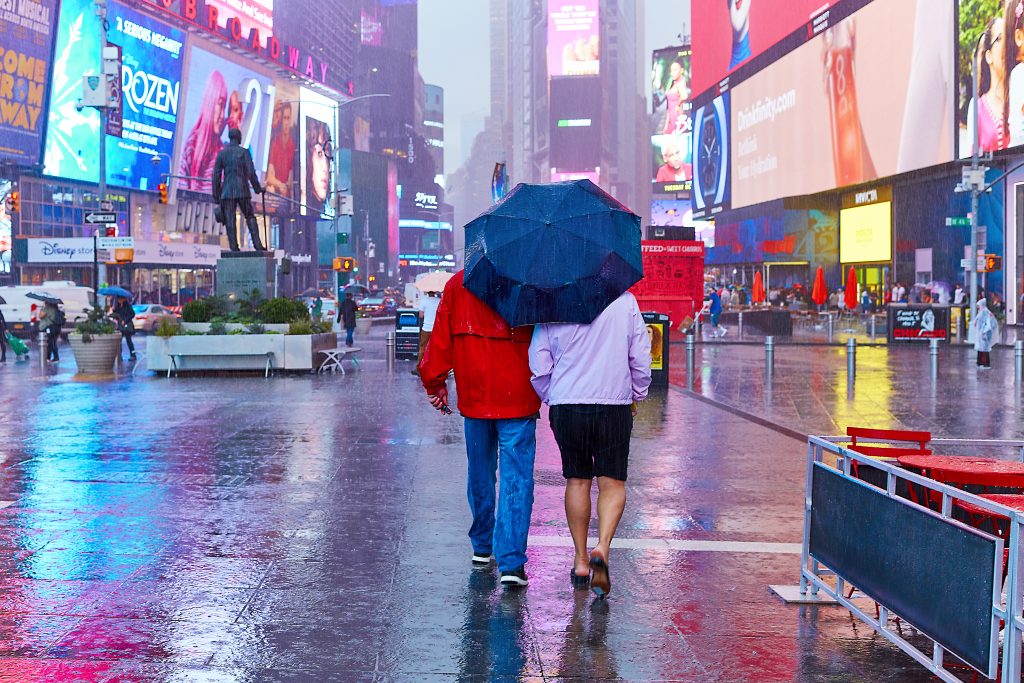
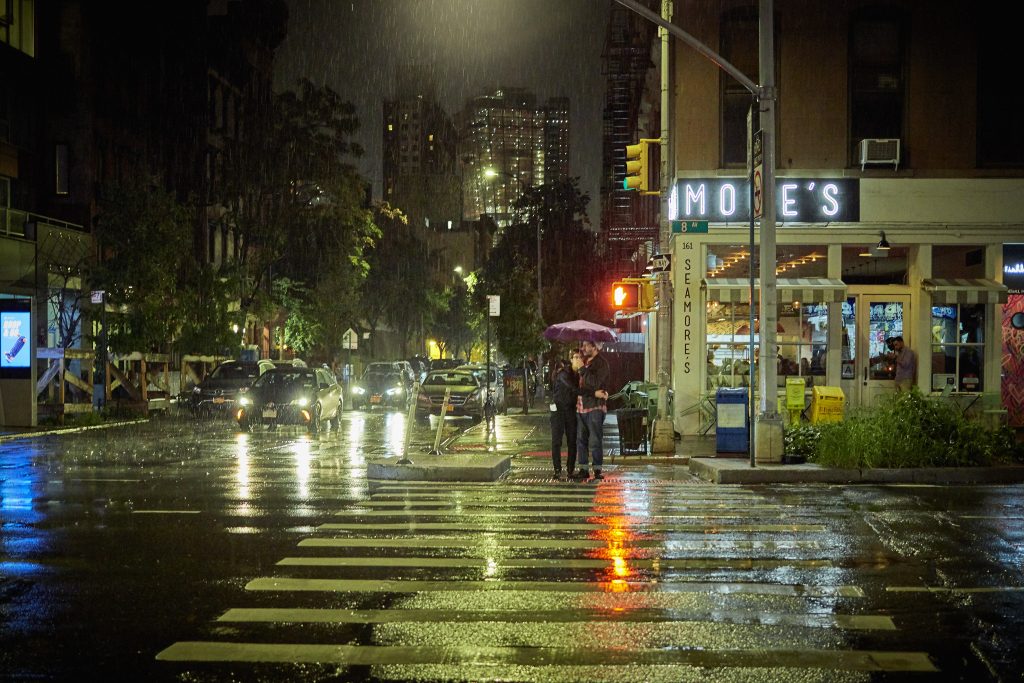
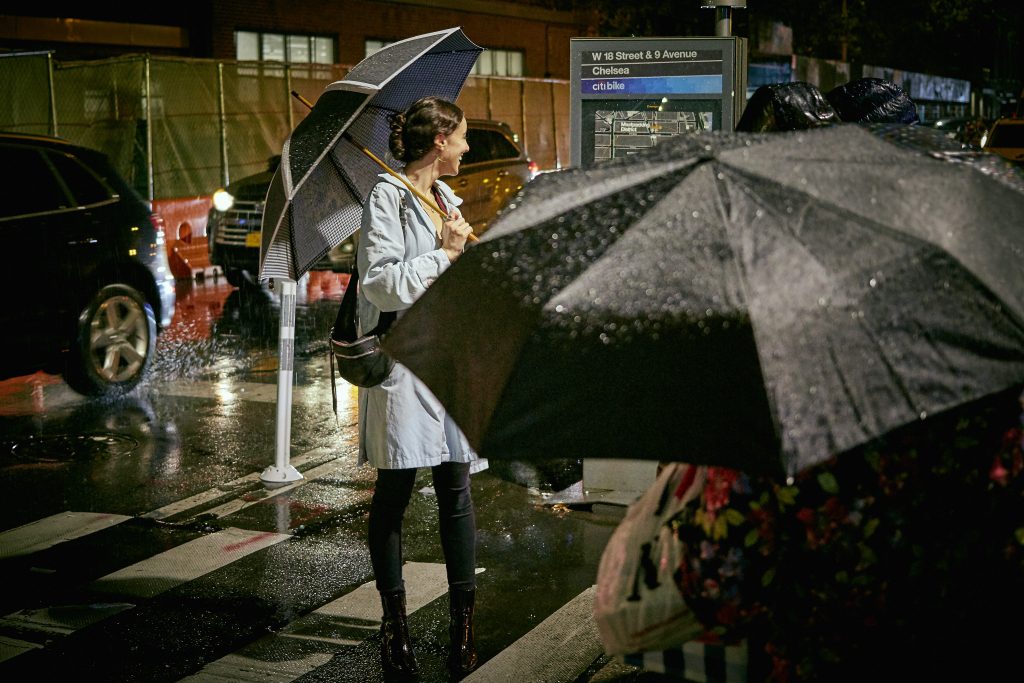
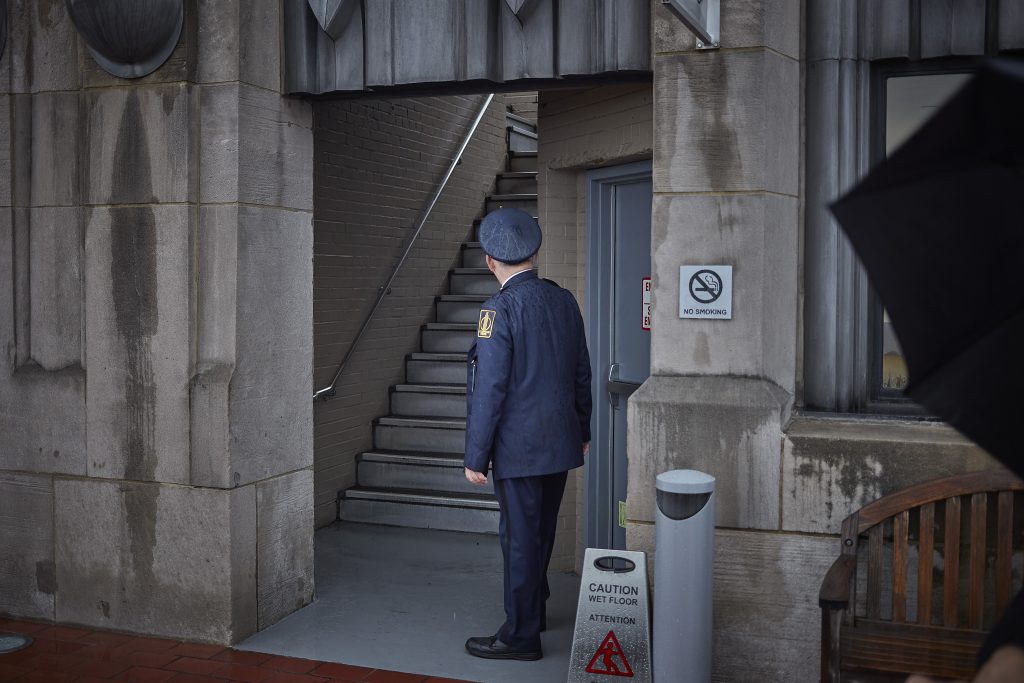
It rained.
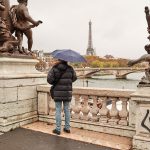
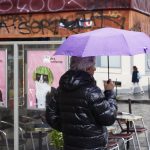
NYC 2018 martin brentNYC 2018 martin brentNYC 2018 martin brent
NYC 2018 martin brentNYC 2018 martin brent
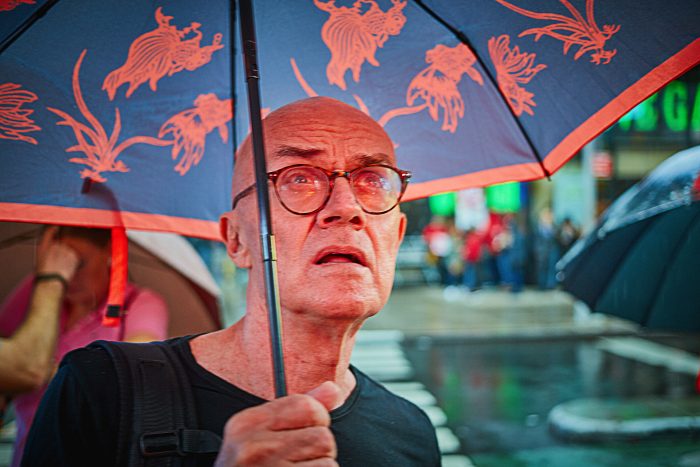
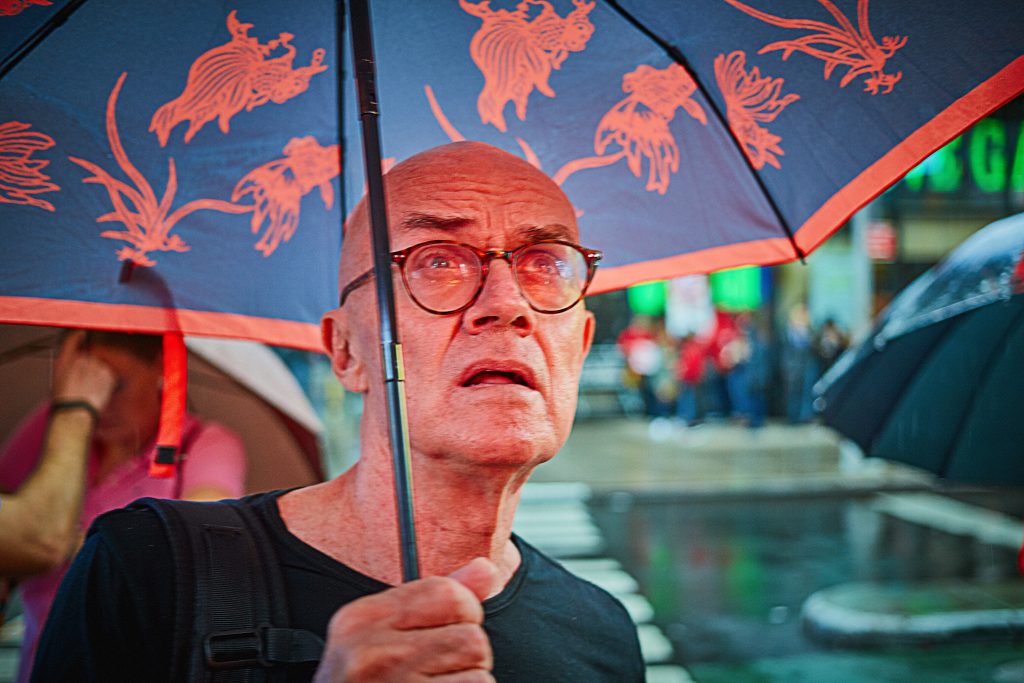
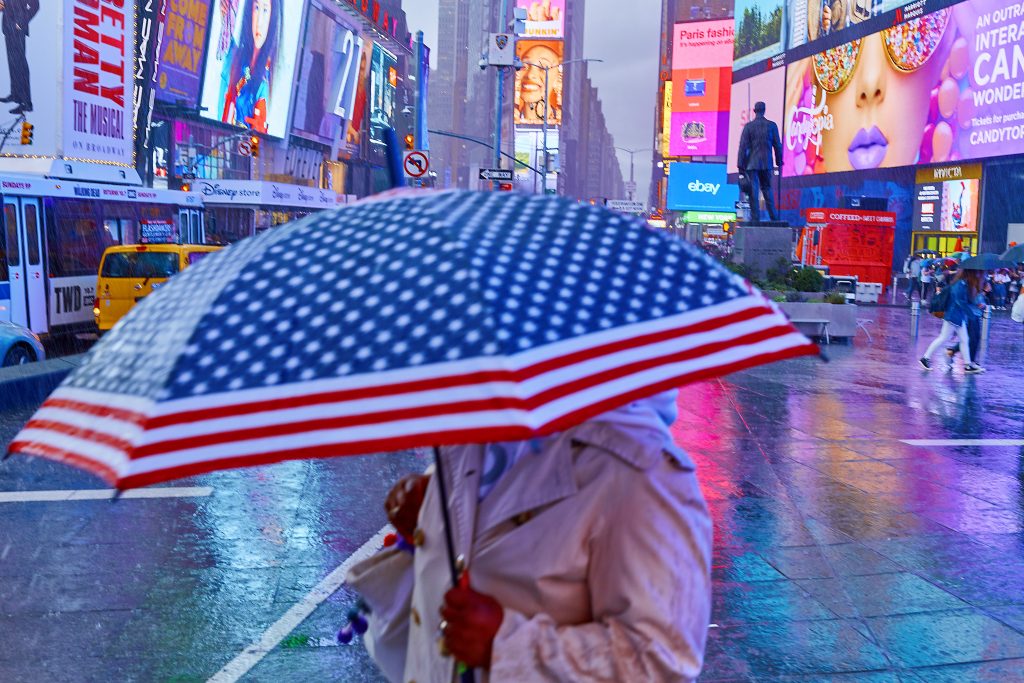
Hurrying through showers, dodging puddles, hiding under brollies everyone was the same, a sudden and new, albeit temporary single common purpose, to stay dry.
Its not the answer to the big questions I was asking myself but it provided an opportunity to see how a simple thing, in this case rain, unofficially unifies the crowd. For an unplanned off the cuff mini project I was very happy with this. I tried stepping back and unusual for me getting in quite close for some images. Whilst my observations about Manhattan remain unresolved this was fulfilling, everyone equal under the rain.
My methodology is without doubt bordering on chaotic at times which is in stark contrast to my commercial advertising shoots which are so planned, literally to the tiniest detail maybe I welcome the random approach.
Sean O’Hagen in his interview with the street photographer Matt Stuart for his article “Why street photography is facing a moment of truth” recalls Gary Winogrands own description of his methodology which gives me some comfort and common ground it seems.
“When I’m photographing, I see life,” he once said. “That’s what I deal with. I don’t have pictures in my head… I don’t worry about how the picture is going to look. I let that take care of itself… It’s not about making a nice picture. That anyone can do.” Winogrand also said: “When things move, I get interested,” which gets close to the instinct underpinning street photography: the desire to capture for a split-second the city’s unending, ever-changing momentum in all its everyday oddness.”
Lee Friedlander later said of him, only half-joking, “He was a bull of a man and the world was his china shop.” Joel Meyerowitz later recalled how Winogrand “set a tempo on the street so strong that it was impossible not to follow it. It was like jazz. You just had to get in the same groove.”
O’hagan goes on to say “Winogrand photographed relentlessly. When he died in 1984, he left behind not just a wealth of images that are a testament to his impatient vision but also thousands of rolls of unprocessed film. In the end, his obsession had become a kind of mania. He was not searching, like Henri Cartier-Bresson before him, for the “decisive moment” when form and content, vision and composition merged into a transcendent whole. Instead, he was continuously chasing after the eternal nowness of life itself in all its raw, unmediated energy. That is what most street photographers hope to capture when they walk out into the city”
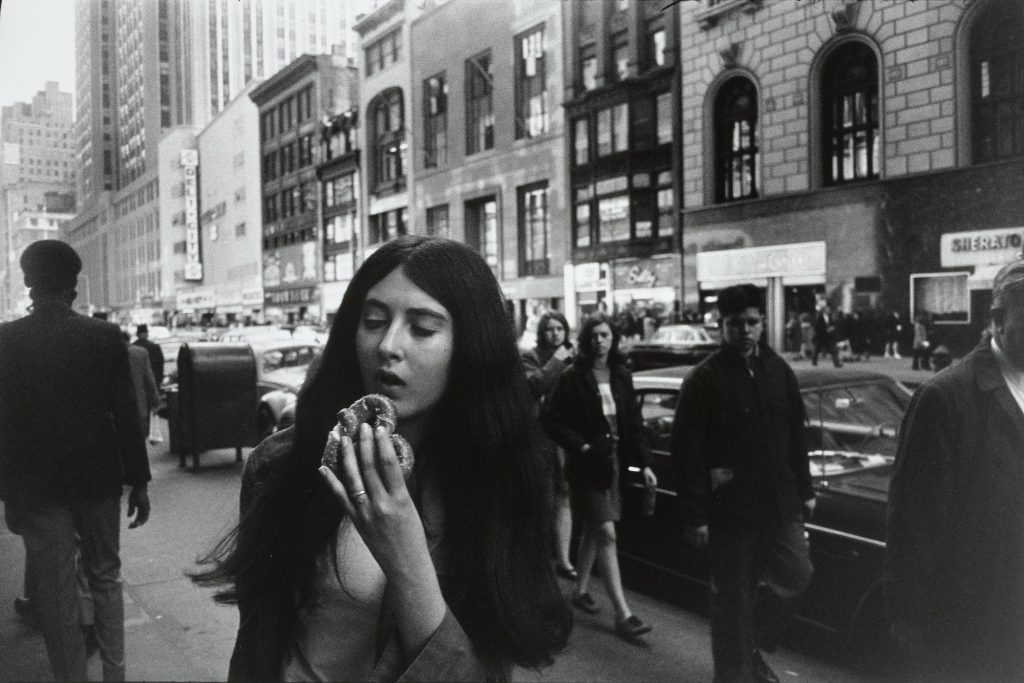
Garry Winogrand New York from Women are Beautiful 1968
So clearly street based, opportunistic photography is a large part of my practice but I also derive a great sense of satisfaction exploring landscape the style in which I prefer to shoot being a complete anathema to my street work.
With the gift of a book from my Mother, Andreas Gursky Photographs 1984 to 1998. I was immediately struck with the simple beauty and order contained in the images. I felt parallels with my own practice as I was naturally attracted to symmetry found within disparate objects within a scene, often placed with no regard by corporations, councils and a melange of bodies somehow creating a chaotic balance. Gursky made sense of this and I became an immediate fan. Also the fact Gursky manipulated his scenes gave an added dimension to his work that resonated as in my commercial practice many of the images i’m paid to shoot are carefully considered constructs, usually due to the varying technical challenges of constituent parts rather than to deceive the viewer with a false narrative.
The Rhine II 1999 Andreas Gursky born 1955 Presented by the Friends of the Tate Gallery 2000 http://www.tate.org.uk/art/work/P78372
Seeing the works full size at the Hayward Gallery this year was revolutionary still, so often works in reality do not live up to expectation, these certainly did and we even had a little fun building my daughters into the compositions.
99 cents Andeas Gursky, Hayward Gallery, 2018
Gursky would be my gateway into this new (to me) realm of landscape leading me to the new topographic movement and then filtering out into a whole new undiscovered world I became an avid consumer and collector of photography books and continue to be hungry to see and learn more. Again this slightly chaotic approach has meant that I will be studying a number of genres at any one time. I found a natural affinity with the work of William Eggleston, Stephen Shore, Lewis Baltz and other American Photographers by extension like Lee Friedlander.
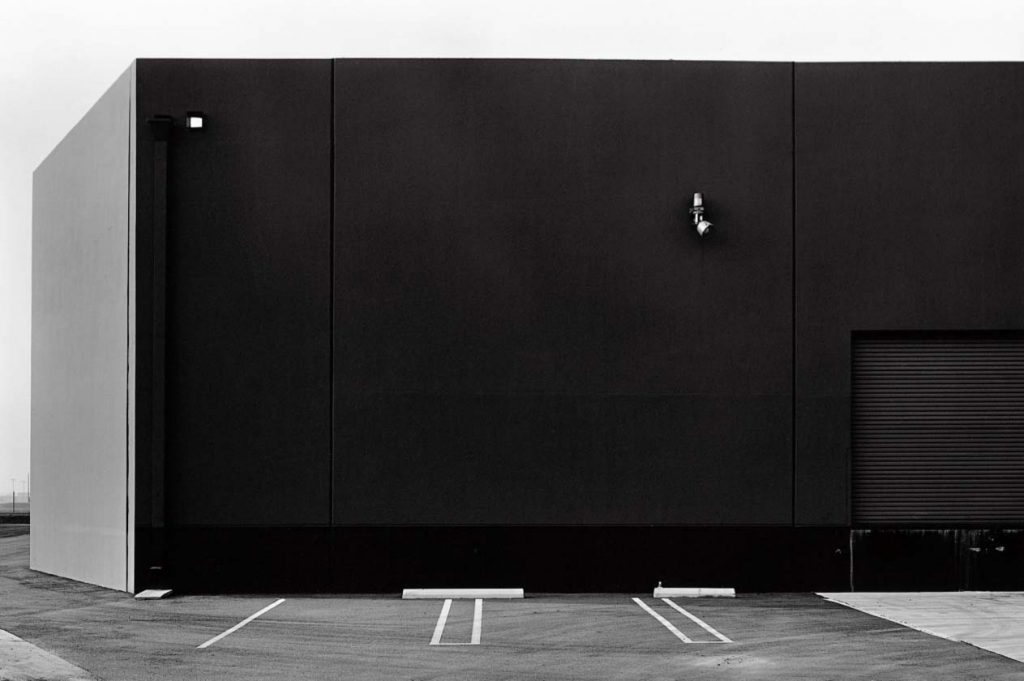
Lewis Baltz, Southwest Wall, Vollrath, 2424 McGaw, Irvine, 1974
Baltz work included in the “New Topographics: Photographs of a Man-Altered Landscape“ was an exhibition that epitomised a key moment in American landscape photography. The show was curated by William Jenkins at the International Museum of Photography at the George Eastman House (Rochester, New York), and remained open to the public from October 1975 until February 1976.
Baltz studies of what at first glance are banal scene themselves to be anything but, wonderfully observed details and coincidences, presented in a style somewhere in between snap shot, documentary and the carefully considered.
In Jean-Pierre Greff and Elisabeth Milons “Interview with Lewis Baltz – Photography is a Political Technology of the Gaze” (1993) when asked the question “We often discuss your work in terms of aesthetics. Do you agree with this kind of interpretation, that you are creating beauty out of ugly things?”
Baltz replies “The idea of beauty is completely arbitrary. Duchamp saw this clearly and acted on it: you don’t put an object in a museum because it’s beautiful; an object is beautiful because you put it in a museum. Everything is photogenic once it has been photographed. The – successful – mission of photography was to deliver the world and all its contents into the category of the picturesque. None of which has anything to do with art.
Even if you completely eliminate the idea of beauty, to photograph a ‘wilderness’ seems in itself a political act.”
This entirely resonates with me and has helped me immensely to explain my own motivations for the things I shoot, all the time when Im shooting I have many thoughts, sometimes its the sheer aesthetic, other times I want to make a point, maybe political or social.
My motivation for this shot was apart from the hand painted aesthetic and starkness of the scene the town this was taken was virtually deserted, some cars to actually park there would be welcomed im sure but the town slowly but surely dies. I chose the frontal point of view because it reduces the entire street into a simple graphic device, indeed Baltz says “Architecture, real architecture, always defies reduction into two-dimensional representation; if not it’s hardly architecture at all – more like a built piece of graphic design” which echoed my thoughts about this scene entirely.
In this image again my impression of the town was one of the edge of capitulation, the main Street literally ending at these now cleared vacant lots which continued on for some distance while the street furniture remains intact.
Where I am I going?
So my practice is as I said varied and I have no plans to change this but I do wish to give it more order and be able to contextualise the images better to a new audience. Although much of my practice is concerned with showing humans on the street or wherever I happen to be my final major project is based around the actual geography, although dealing with very human emotions and constructs it will almost certainly be excluding them.
I have decided to explore the concept of land ownership, national identity and borders as the over arching theme.
“A world without frontiers is an ideal that has always appeared to the more sincerely humanist individual as a world from which all forms of exclusion have been abolished”. “The notion of frontiers remains rich and complex. It does not necessarily signify compartmentalisation and separation. The ideal, egalitarian world may come not through the abolition of frontiers, but through their recognition” Marc Auget Non Places 2008
The project has gained clarity with my clarification and understanding behind my theme, this is brilliant as it now frees me to concentrate on the work itself from practical point of view. I’m finding that having established an aesthetic that proved to be quite successful early on in the project I am concerned that I do not circumvent a process tat may well have led me to a different aesthetic. So right now Im looking at artists who work in the tableau genre notable for their use of image construction treat this genre, Jeff Wall, Andreas Gursky, Barbara Kruger, Peter Kennard, Karen Knorr to name a few and then artists like Alex Prager, Gregory Crewdson and to an extreme level David LaChapelle who create fantasy constructed worlds for their characters to inhabit. Each artist has used a different approach to make various points, some political, some purely aesthetic or humorous. Karen Knorr in her series Villa Savoye explores bourgeois lifestyles with architectural studies and added elements to create indexical qualities of the photographic to invite the viewer to read the image raising questions of ownership, locality and identity.
Where and in what context will my practice be consumed?
This is an important consideration, on a practical and theoretical level. The images have to be of a sufficient quality to be made into large scale prints, be made into a high quality book fo consumption by a photography or arts orientated audience however my motivation for this series is to challenge the man in the street assumptions about nationality so the images could be seen in places where this audience is more likely to be.
This could mean billboards if used my an NGO in an awareness campaign or it could mean being displayed in shopping malls as a pop up exhibit.
Digitally, although important as more images are now consumed digitally as a matter of course the subtly of these tableaus may mean theyre better suited to larger format display means. Then again
if this is the best means to reach the target audience maybe I have to loook at my images again and evaluate if they need to be less subtle. Peter Kennard used very bold means to convey strong socio political messages.
Maybe this is whats needed to communicate with a broader audience?
References
The Last Resort. Martin Parr. 1986 Dewi Lewis Publishing.
by brentpix
|
Comments Off on Final Major Project Further Thoughts
“A world without frontiers is an ideal that has always appeared to the more sincerely humanist individual as a world from which all forms of exclusion have been abolished”. “The notion of frontiers remains rich and complex. It does not necessarily signify compartmentalisation and separation. The ideal, egalitarian world may come not through the abolition of frontiers, but through their recognition”
Marc Auget Non Places 2008 2nd edition.
The project has gained clarity with my clarification and understanding behind my theme, this is brilliant as it now frees me to concentrate on the work itself from practical point of view.
I’m finding that having established an aesthetic that proved to be quite successful early on in the project I am concerned that I do not circumvent a process tat may well have led me to a different aesthetic. So right now Im looking at artists who work in the tableau genre notable for their use of image construction treat this genre, Jeff Wall, Andreas Gursky, Barbara Kruger, Peter Kennard, Karen Knorr to name a few and then artists like Alex Prager, Gregory Crewdson and to an extreme level David LaChapelle who create fantasy contstructed worlds for their characters to inhabit.
Each artist has used a different approach to make various points, some political, some purely aesthetic or humorous. Karen Knorr in her series Villa Savoye explores bourgeois lifestyles with architectural studies and added elements to create indexical qualities of the photographic to invite the viewer to read the image raising questions of ownership, locality and identity.
by brentpix
|
Comments Off on Toshio Shibata At Polka Paris
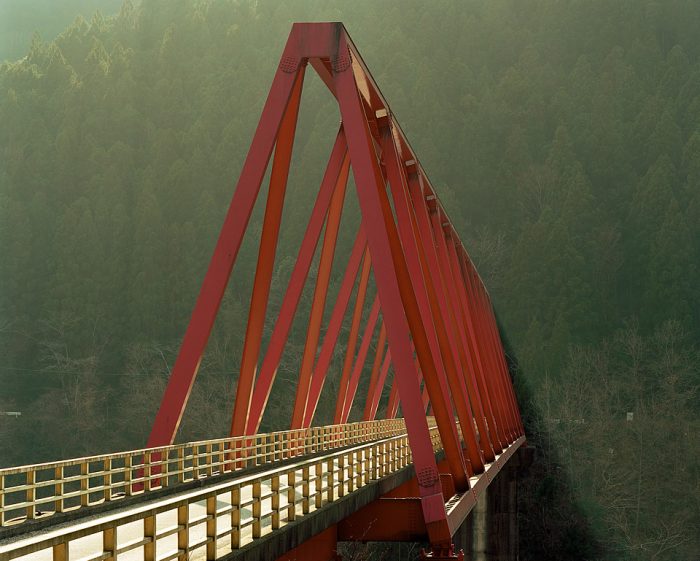
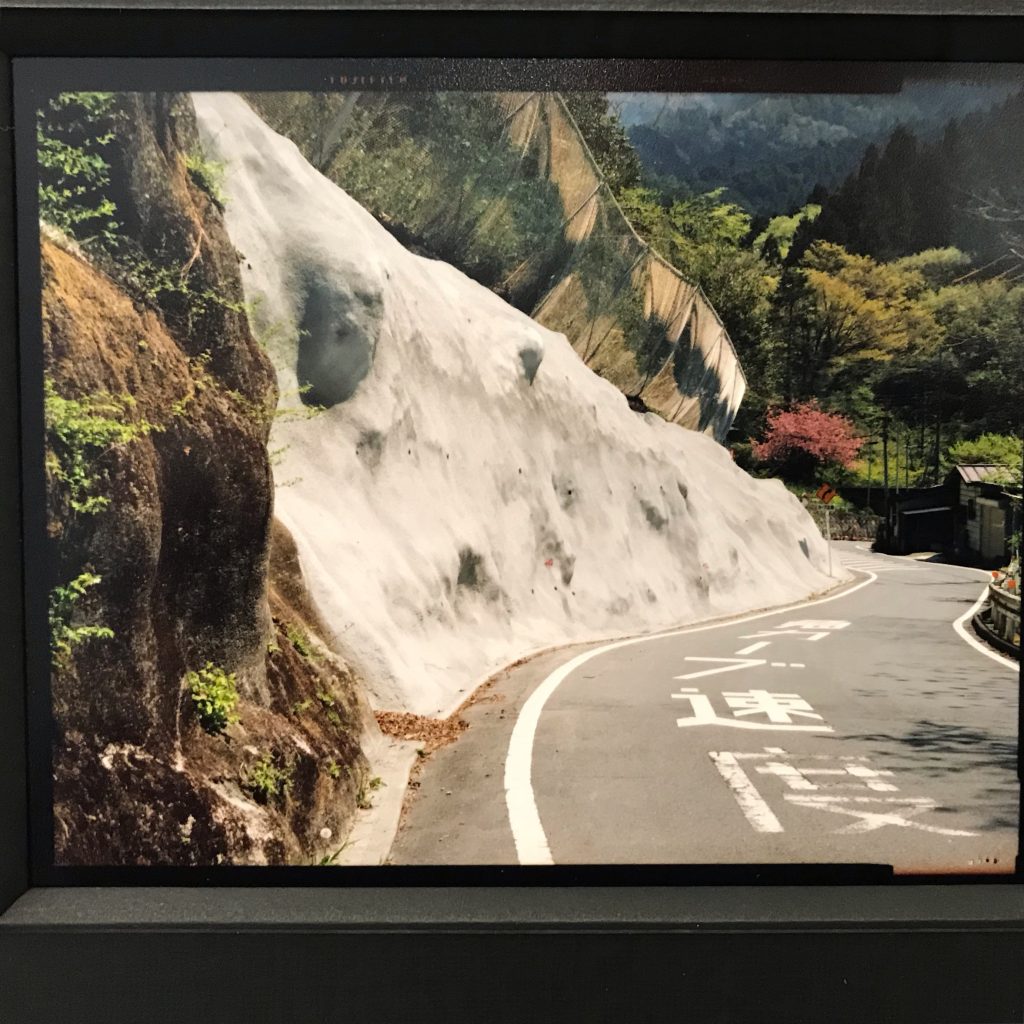
During our trip to Paris Foto, so much to take in, I’m glad we made the time to get over to Polka Gallery and catch a show of Toshio Shibatas wonderful images, this time presented as Cibachromes. A now defunct reversal print process, its hallmarks being supremely glossy, very sharp and saturated images, not far from a lightbox transparency. Whilst the idea was to preserve the aesthetics of viewing a transparency the prints could often be too saturated and eventually the process ceased to become available.
However the process suited Shibatas work perfectly, its bought a rare quality that echos the careful and perfectly executed images. Contact prints of the original 5×4″ transparencies were very interesting and successful in the back mounts. Akin to viewing them on a traditional lightbox.
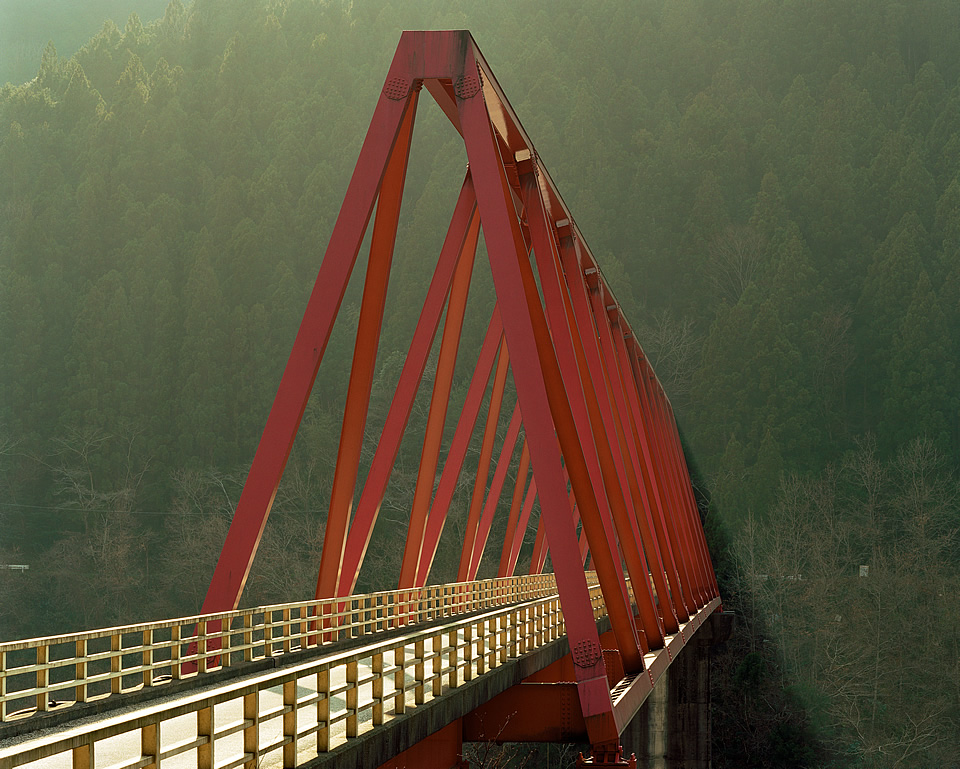
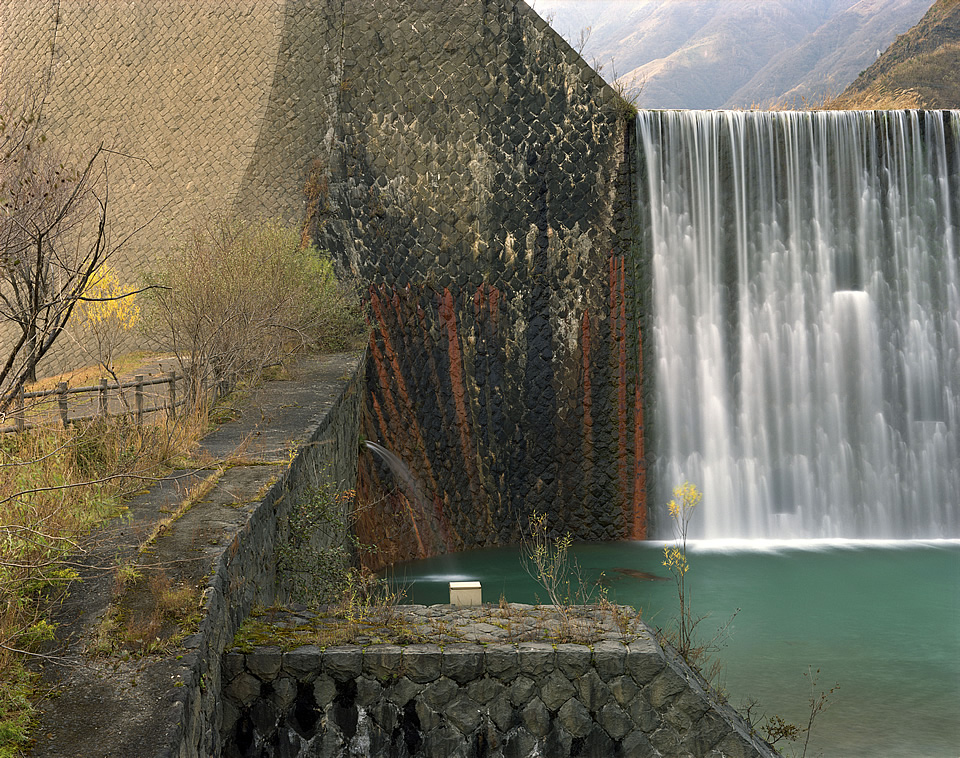
Toshio Shibata says “If we take landscape photography for example, they say there is nowhere in the world where people have not visited. Assuming that is true, but knowing every individual has a different approach to taking photographs, something different will emerge in your photos even if you go to places people have been to before, as long as your ideas about that place are different. So you can always find new ways to take photographs, even of the most commonplace things, without necessarily going to places where humans have never set foot. If you regard photography, the medium, as linked to ideas about creative expression, then I think there is no end to the possibilities”
by brentpix
|
Comments Off on PHO 701 Week 8 Build An Online Gallery
Create a web page or microsite to showcase your work on your project so far. This web page or site could become the means by which you submit your Work in Progress Portfolio. You may wish to use your blog (critical research journal) to host this gallery but you are encouraged to explore other, more specialist, online platforms for this exercise. Most of these will have free or time-limited trial options, which you should make use of rather than paying for any services or functions.
So having explored a few possible platforms, including an extension to my existing commercial site I decided a very simple and clean option was needed and finally settled on Portfoliobox which started from a very minimal level and was easy to understand the build process from a visual perspective rather than abstract code.
At such an early stage its difficult to visualise how the final project will look and what kind of space it may require but I did have a good idea how I might need to display the elements of work in progress which I have now found adds to the viewing experience and may well be part of the final works.
The site is simple, one project image per page with its constituent parts which works really well on the horizontal scroll design.
I feel this format will accommodate the project as it grows and be an effective means of final delivery.
I have to say I’m really pleased and grateful for the insights shared during the week 8 webinar. Its so hard to make objective decisions in isolation so getting feedback in this way is so helpful. I think it also helps us to be able to take risks we may have avoided if left entirely in our own hands.
I was quite anxious about whether to display the element images but I’m so glad I did having listened to way viewers have looked at the images and how they used the text.
by brentpix
|
Comments Off on PHO 701 Week 7 Peer Commissioned Micro Project
Taking inspiration from the practitioners discussed during this topic, use this forum to form pairs and set each other a short brief to work on throughout the week. You should be sympathetic to each other’s locations, circumstances, resources, commitments and current practice. The shoot should not exceed a couple of hours at most, and you may be as prescriptive as you like.
When your partner sends you their brief for you to consider and then fulfill, try to keep track of your creative thought process.The City and Colour
So I paired up with Theunis and he gave me the following brief.
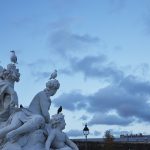
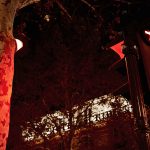
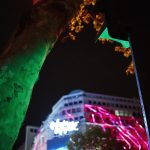
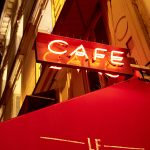
In the past few decades the modern city, built according to post-modernist and new millenium architectural trends have become things of steel and glass, mostly devoid of colour apart from advertising. For your Week 7 brief, explore this incongruity in cities by trying to explore and juxtaposing the colour of to a city. Look at work from Ernst Haas to take inspiration. Play with colour and movement to try and create new city stories.
An interesting challenge and with the University trip out to Paris Photo in imminent I thought I would like to explore this while we were there and scheduled a little extra time to enable this to happen.
So my first port of call was to reference the work of Ernst Haas (1921-1986) who was an Austrian-American photographer. Over a 40-year career, Haas bridged the gap between photojournalism and the use of photography as a medium for expression and creativity. Haas is known as an early innovator in colour photography and President of Magnum Photos. He conducted many assignments for Life Magazine and was MOMAs first photographer to feature in a solo show of colour work in 1962.
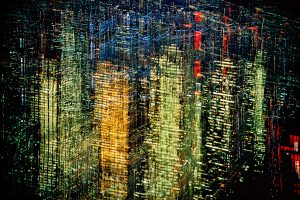
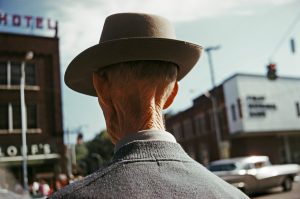
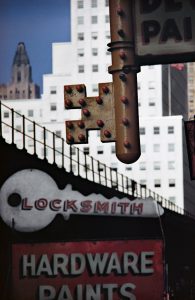
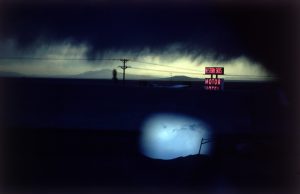
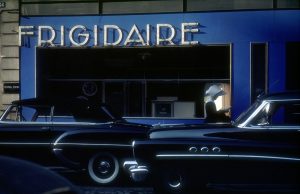
Lights of New York City, NY 1972USA 1962Locksmith Sign, NY 1952Western Skies Motel, Albuquerque, New Mexico 1977Paris France 1954
Not being overly familiar with the work of Haas I was immediately interested,I love his keen observation, spotting and use of colour and light, a great opportunist but also creator of his own luck I believe. I was very happy to pursue my micro project with his work in my mind.
Looking for a dominant colour or overall theme as well as abstract moments as Haas pursued very successfully I also looked to exploit on street coincidences as Haas did so well, mindful of the Article 9 privacy laws that now exist in France that casts a potential legal shadow over the use of using the publics likeness in print and digital media.
Quite sad the city that gave birth to street photography should be the one to restrict it.
by brentpix
|
Comments Off on PHO 701 Week 4 Collaboration
So this week we are looking at the following brief.
Having formed a group of 2-4 individuals, you should agree on a theme or strategy for a collaborative micro project. You are completely free in terms of the content and creative direction of the project but you should aim to create a small body of work in its own right, which has been formed in collaboration.
The outcome should be in a digital or digitised form that you can share with your peers, ahead of the webinar towards the end of the week, where you will present and discuss your project and the process of its making.
Once you have set up a group, it will have its own ‘discussion’ tool. If working in a group of more than two, please use this rather than something else (e.g. WhatsApp) to avoid others being excluded. If you have any questions, please ask your Tutor.
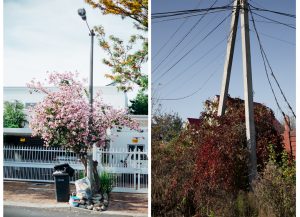
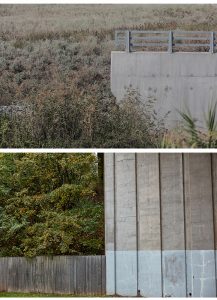
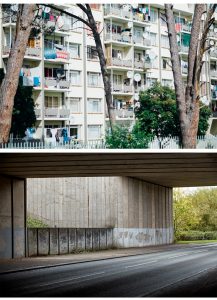
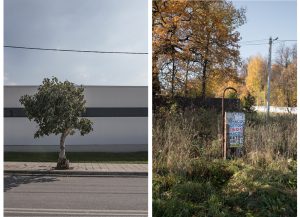
Having formed a group of four with Theunis from Stellenbosch, South Africa, Roxi in Moscow and Effie in Thessaloniki in Greece we established a brief to interpret the peripheral nature of the places we live, we all have our homes slightly beyond the suburbs but not totally in the countryside so we were exploring the point or edges where that subsides into more structure .
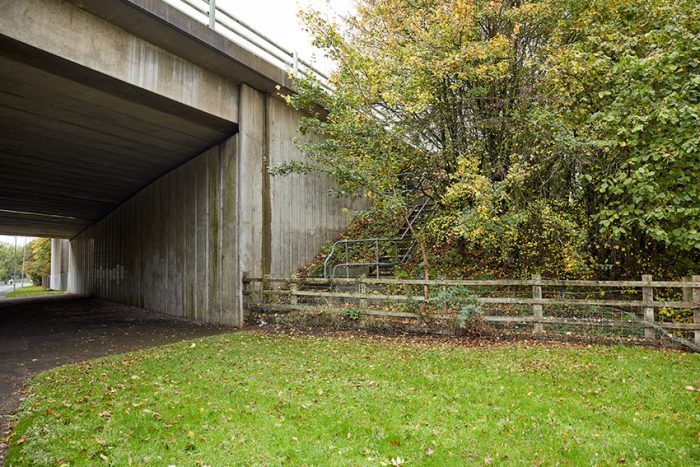
In my case its a very literal thing, my village was very rural until the M5 and then later M42 were literally thrown over the top. So even though they have now been there many years they still look what they are, huge cuts and overlays to the existing topography which remains largely unchanged around the ‘new’ architecture. Visually we were all very close but this wasnt initially intentional, it emerged as we al presented our images and In hindsight, knowing how close were were in thought and execution it could have been interesting to set some basic compositional ‘rules’ so the images could have been displayed alongside each other or even formed into a mosaic of sorts.
All in all a really positive experience and the whatsapp group we formed to arrange this project remains a lively forum of chat and debate.