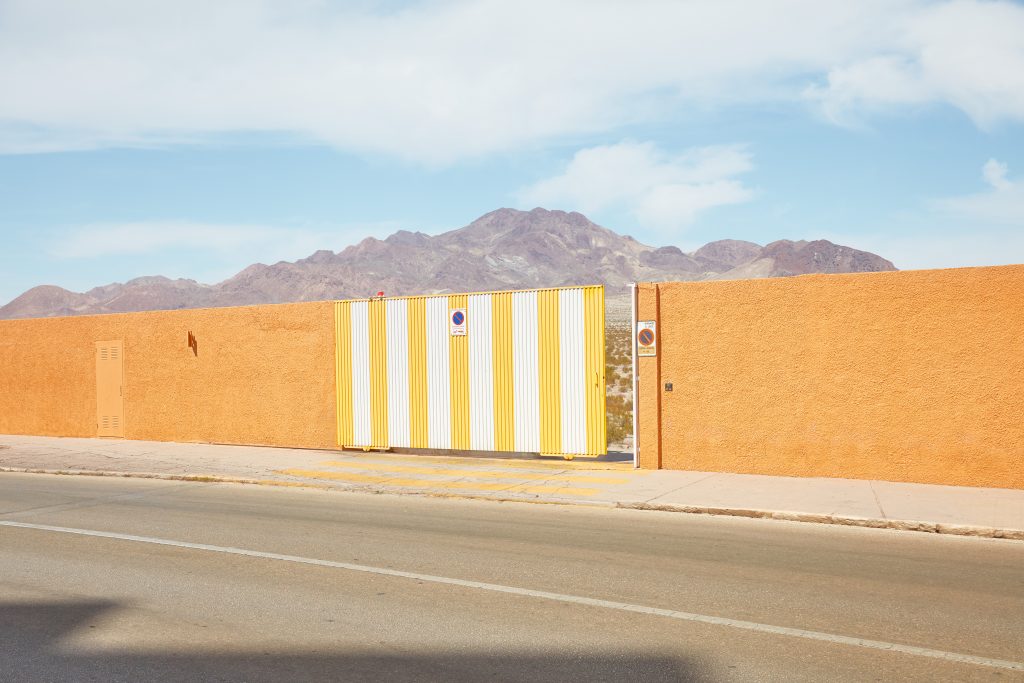
Researching Public Outcomes – Alec Soth

Gathered Leaves & From Here To There.

“What function does [a picture] serve? This is the problem with work like mine – that is more lyrical than documentary. Like poetry itself, it is pretty much useless” (Soth, 2004).

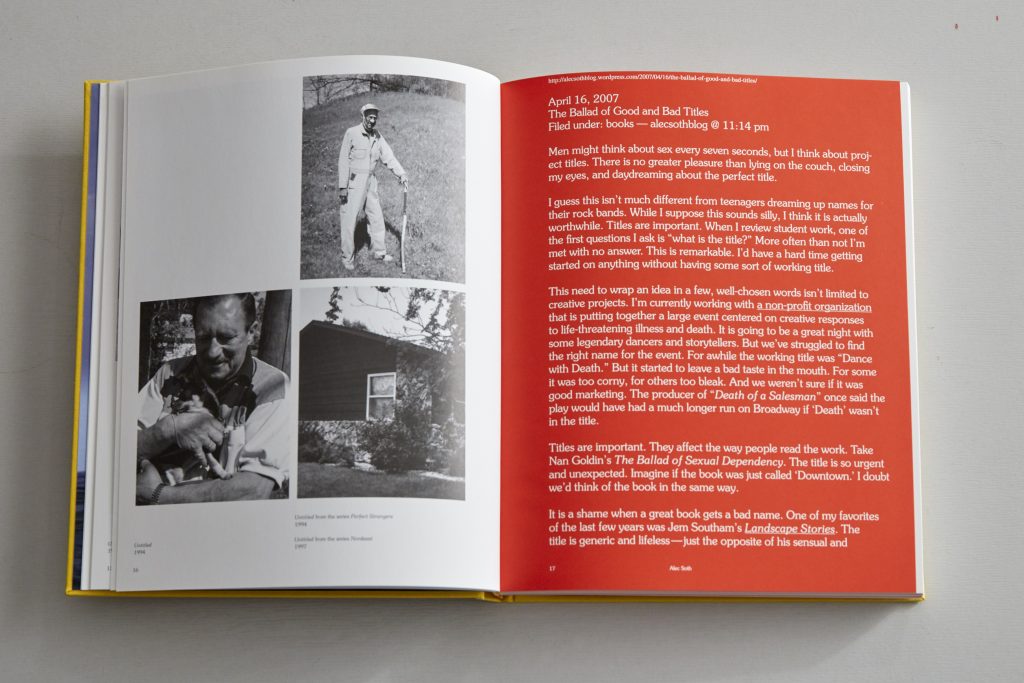
Alec Soths approach to publishing his work in print certainly does not follow a set routine.

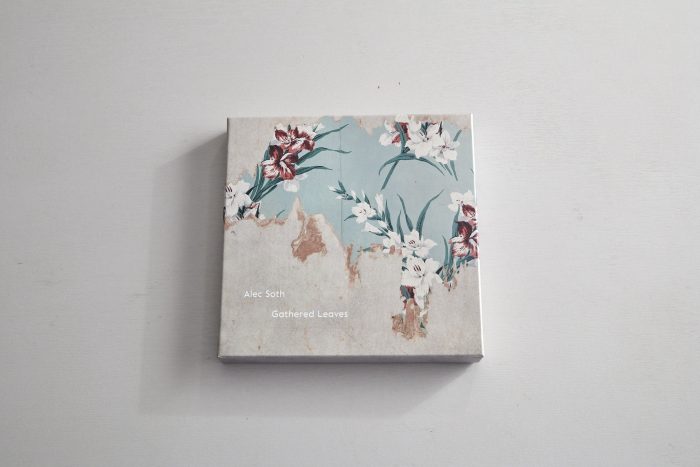
All of Soths books are unique events, none look like the other, their formats and size vary as does the presentation. Gathered Leaves is an interesting issue as its actually a compendium of 4 books, Broken Manual, Niagara, Songbook and Sleeping By The Mississippi along with 29 postcards of selected images from each of the four books and everything is contained in a clam shell box.
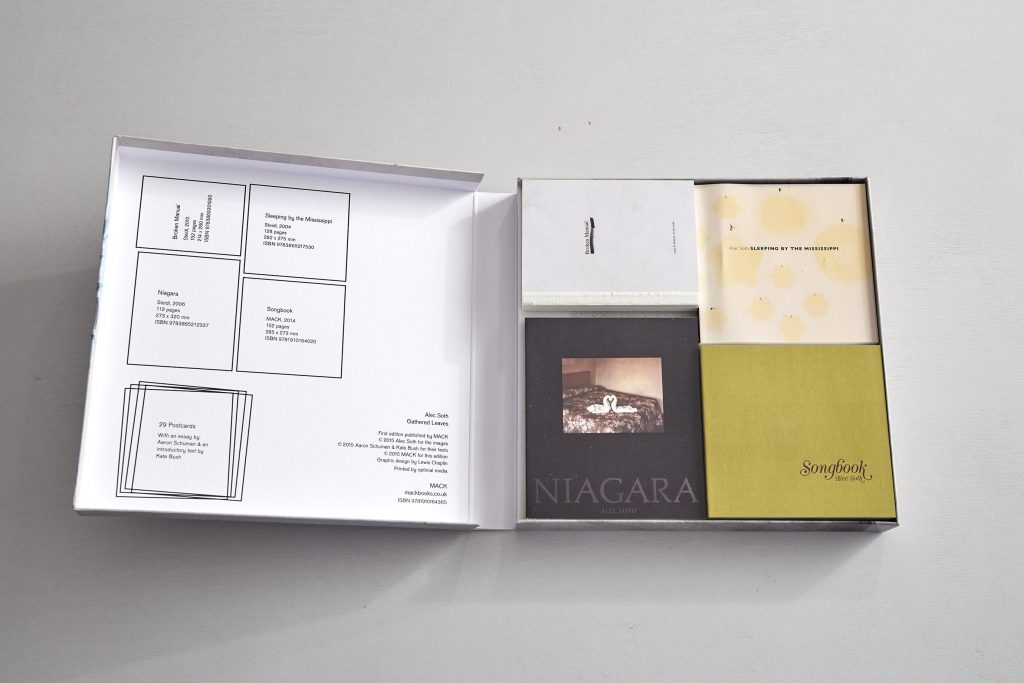
Alec Soth Gathered Leaves.

Its all very neat and theres even an instruction on the inside of the box lid to reassemble the books in correct order. This is very a book for existing fans, if you didnt already own the books featured here then Im afraid you’re only going to be a little bit wiser because the books are actually very small indeed and the images contained obviously smaller still.

Broken Manual From Gathered Leaves

The quality is good though, this is a very complex creation despite its apparent simplicity, a lot of thought has gone into it, the postcards are very well printed and give a much better idea of the full quality of the images which are inevitably a little lost in the books.
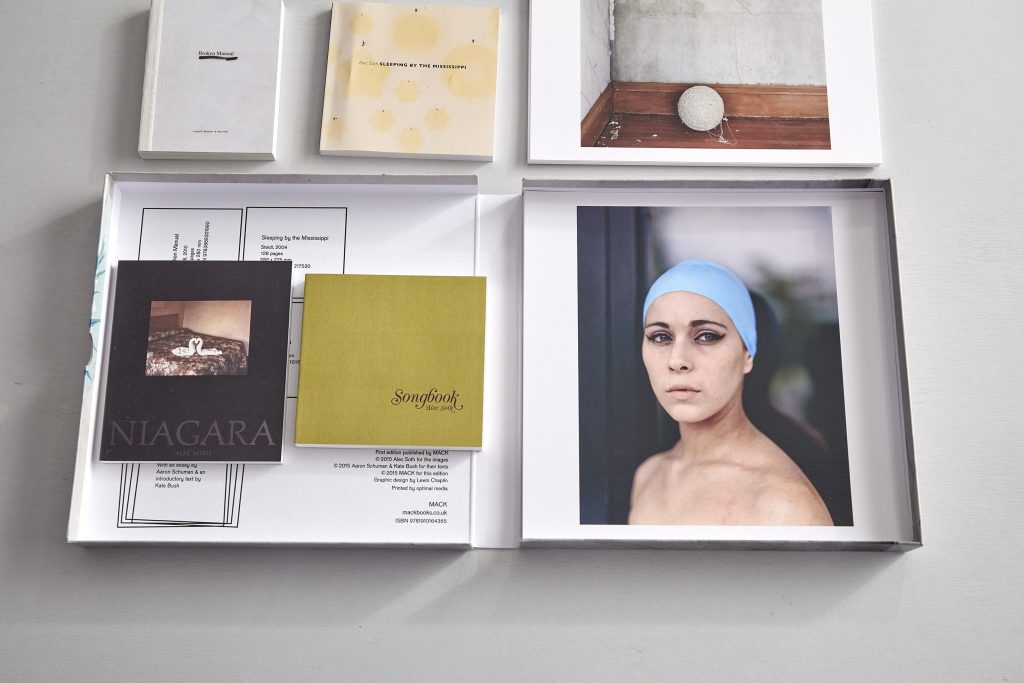
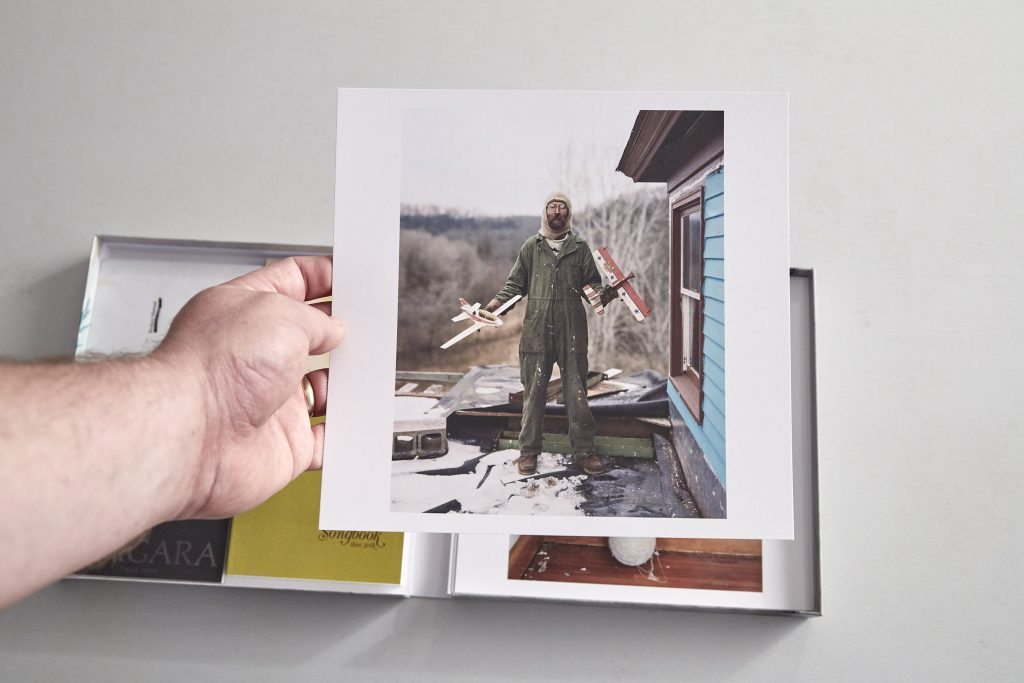
Post Card from Sleeping By The Mississippi included in Gathered Leaves.

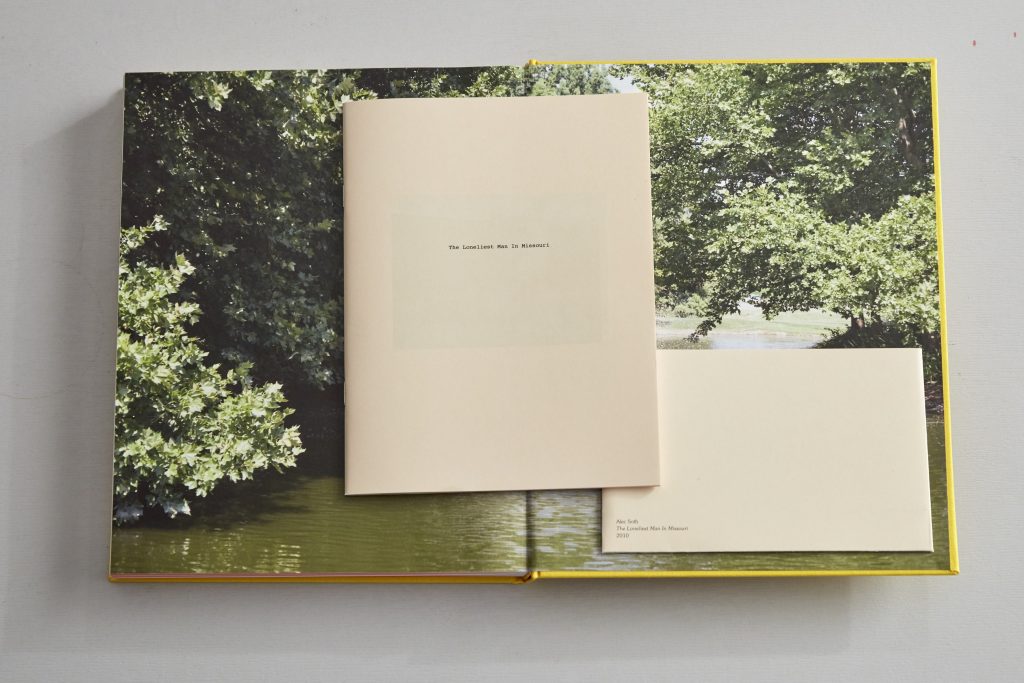
This isnt the first time Soth has experimented with minature books, in his 2010 book. From Here to there, which is more a collection of smaller sub projects another small book titled The Loneliest Man In Missouri, is tucked away in a flap on the back cover.

Soth is clearly happy to experiment with the presentation of his works where many other artists may get a little precious about the clarity of the images, clearly then Soth sees his books as a holistic experience, lots of little details, unexpected things to discover. Its in someways a playful approach which also demonstrates he has great confidence in his images and works although in Gathered Leaves I detect a hint of playing it a little safe with the enclosure of the 29 postcards.

Am as confident. No! Well not yet, I would love to attain the level Soth has where he can take the risks he does here with the mini facsimile books but for the moment I feel the images need to be simply presented and easily accessible. Gathered Leaves is a self indulgent production only possible with the knowledge a collector market exists to make it viable but saying that the purchase price may not leave a huge amount of space to accommodate such a complex production.


References:

Soth A, 2010, From Here To There, Walker Art Center

Soth A 2015, Gathered Leaves, Mack

https://museemagazine.com/features/art-2/features/book-review-gathered-leaves-alec-soth
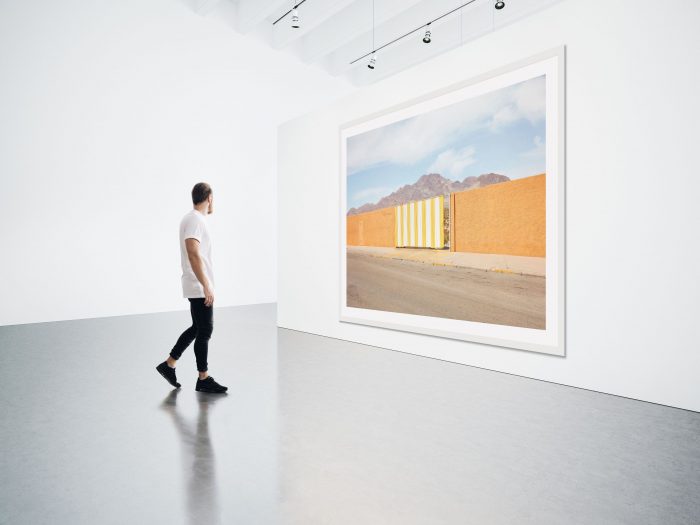
Researching Public Outcomes For The Future: Whitewall Exhibition

I plan to share this project via a number of means, exhibiting individual images in the environments they were created, a printed book, digitally via a dedicated websiteand eventually a whitewall gallery show.

Covid rules out physical exhibitions and travel but things can change and its no reason not to at least explore what could be and plan what can be achieved.

If I did exhibit I would want the images to be big, Jeff Wall or Gursky sized to be precise. Wall, is well known for his huge back lit film exhibits, although he hasnt actually exhibited in that way for 15 years now prefering framed prints on a wall says “I never wanted to do a photobook; I wanted my pictures to act more in a physical form. I also like the idea that they’re more public, that more than one person can see them at the same time. I like that open interchange with people standing in a room”
Having spent a lot of time researching books I understand where hes coming from, a book is a compromise, it has to be, even a huge production like Helmut Newtons Sumo, coming with its own Phillipe Starck table is relatively small in comparrison to even a modest print on a gallery wall.

My background shooting posters for advertising may have influenced my taste and its interesting to note Walls use of the lightboxes technique was informed by advertising imagery he’d seen.

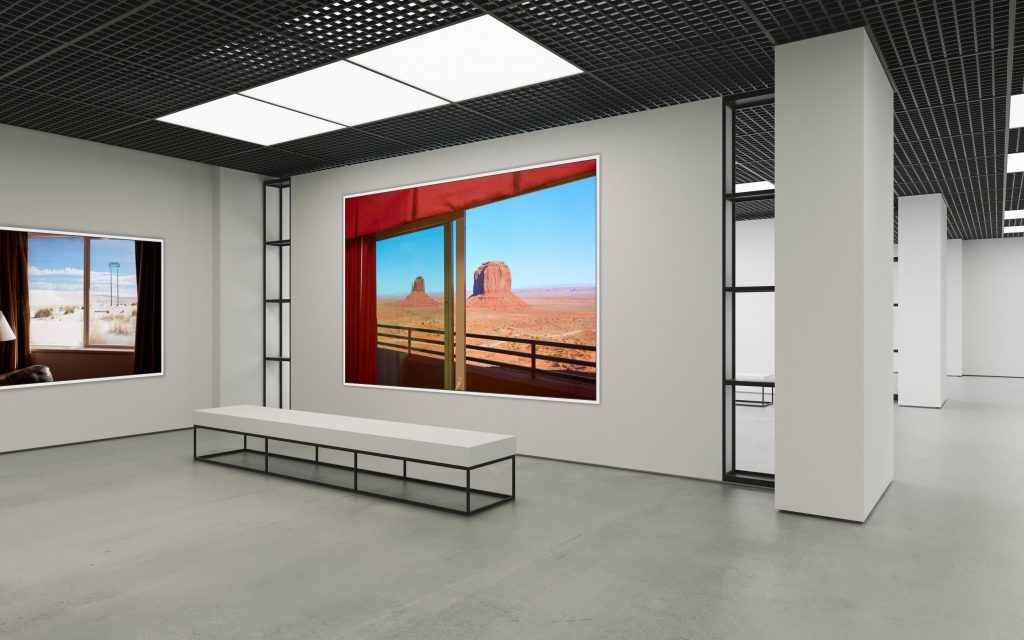
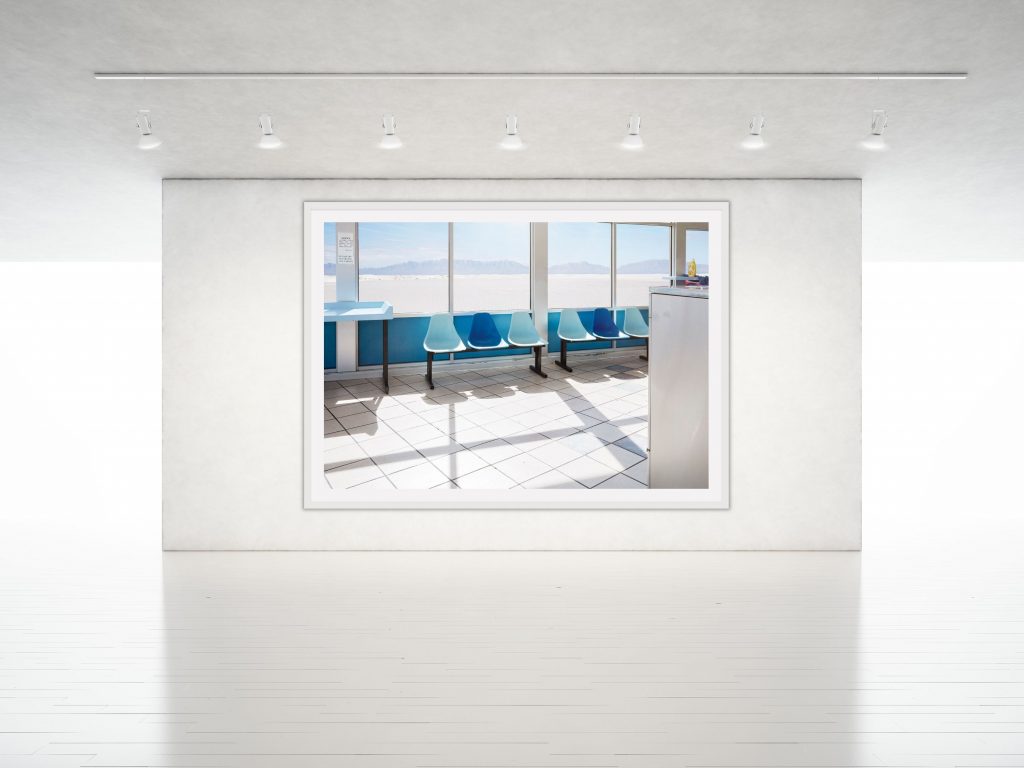
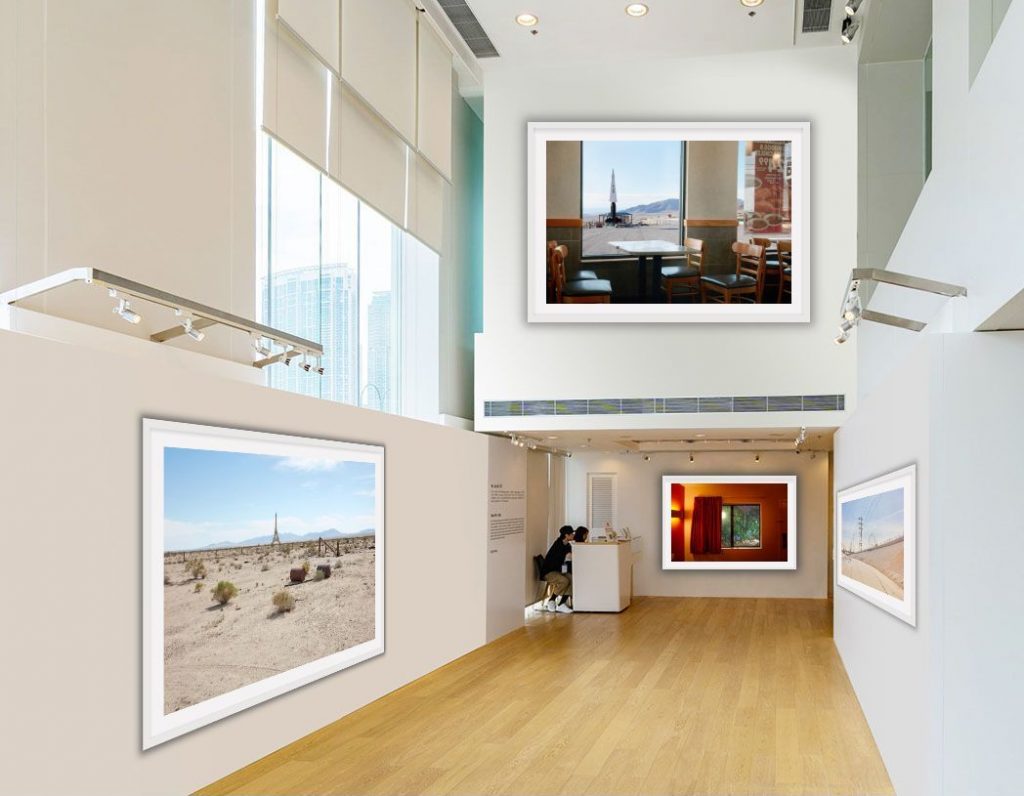
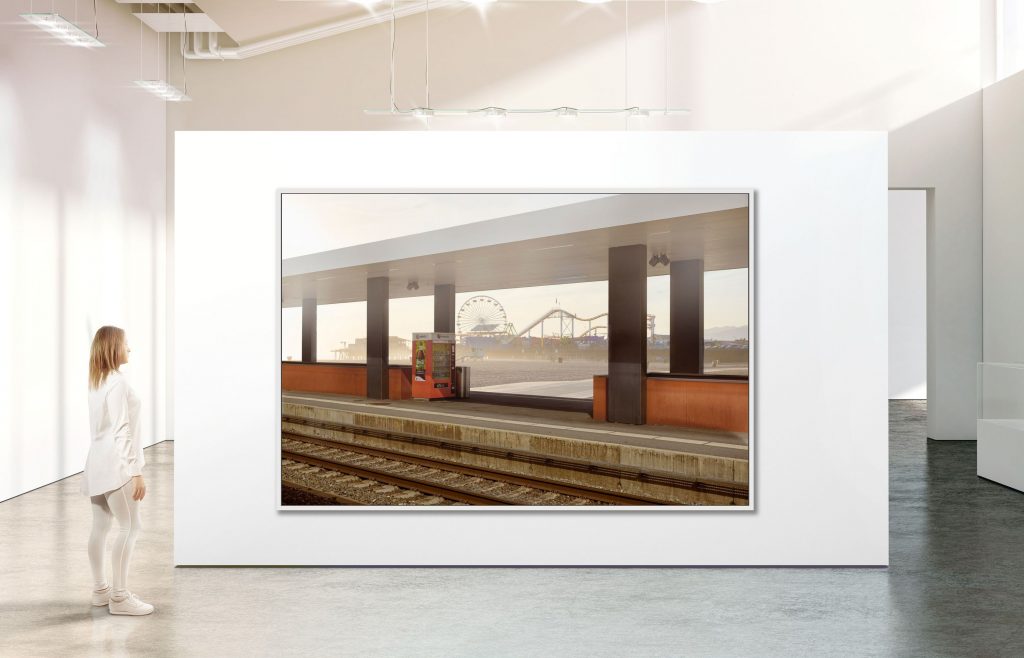
So what could my show look like? Ive used ArtPlacer to render some ideas.

Although library spaces theyre indicitive of what I would seek out in reality.

The print size required to fill the indicitive spaces suprised me, most over 120 inches in width, I really am aspiring to Gursky/Wall levels of production.

A smaller intimate show would be no bad thing but I would have to balance the size of the images against the quantity shown.

The images stand in their own right, each can viewed in its own space- and does not rely upon another to inform its meaning, Im choosing to be deliberately vague in prescribing any meaning in favour of the viewer drawing their own conclusion by not supplying captions beyond the image title and the over arching description.

The question why a white wall gallery? Simply because I am attaching so much emotional baggage to these images I need to show them in a truly neutral zone and also at a very large size. So whilst this is a practical solution the essence of the white wall enables me to separate the images from their places totally.

One of the other public outcomes will be to install some of these images at the locations they were taken using local billboards, this would be a very different event, its purpose to merely rephotograph or as a catalyst to push discussion of the themes my images raise.

705-Light Bulb Moment!

I thought my aim was to take topographical features from two or more countries and combine them to create a new place, I now realise these works are a reaction to my unease and anxiety with the world, finding myself unexpectedly but inevitably aligned with Metaphysical Art (the translation of the Italian Pittura Metafisica) which I introduced in a previous post.

This was an early twentieth century Italian art movement typified by dream-like views of eerie arcaded squares with unexpected juxtapositions of objects thus circumventing and subverting notions of what is normal, challenging frontiers and identity politics.

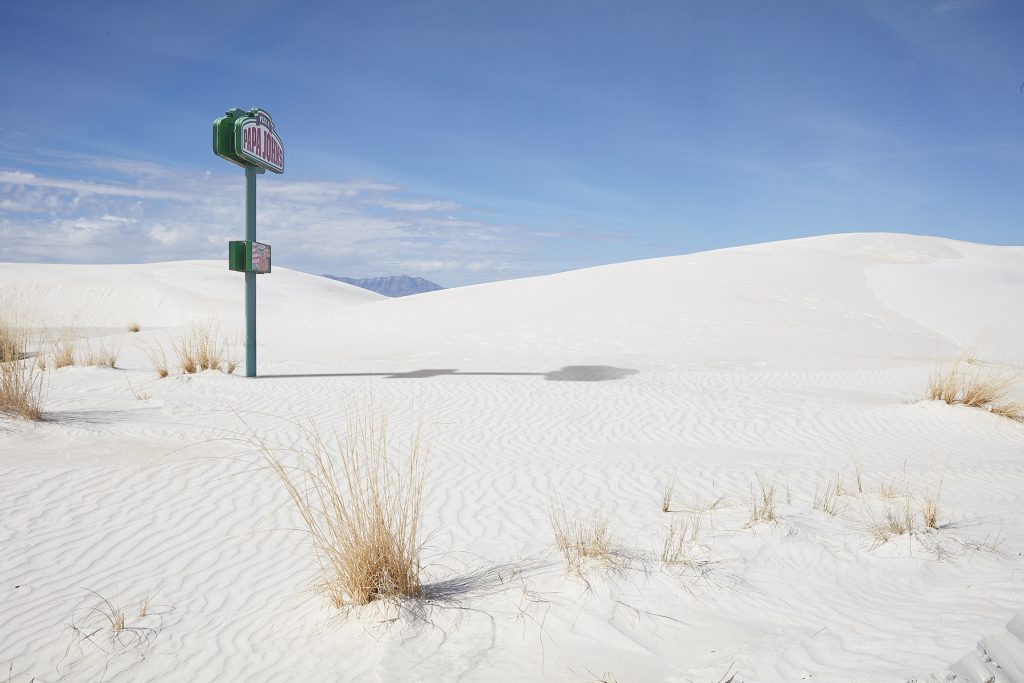
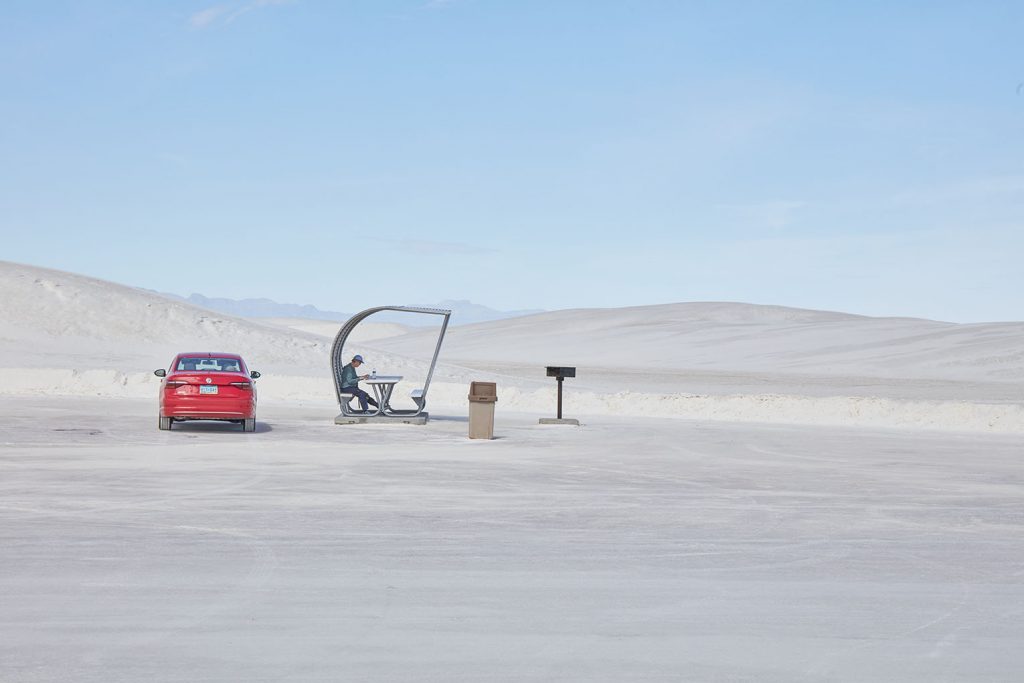
Papa Johns White Sands

My concerns about isolationism, nationalism are just as strong, more so if anything but Im also concerned with wealth inequality, the plight of minorities across the globe whose predicament only seems to become worse while consumerisim appears as a new religion, pushing all aside even though the consumers themselves appear also to be its victims as more are swept into insecure and low paid employment for employers who are ironically owned by some of the richest individuals on the planet.

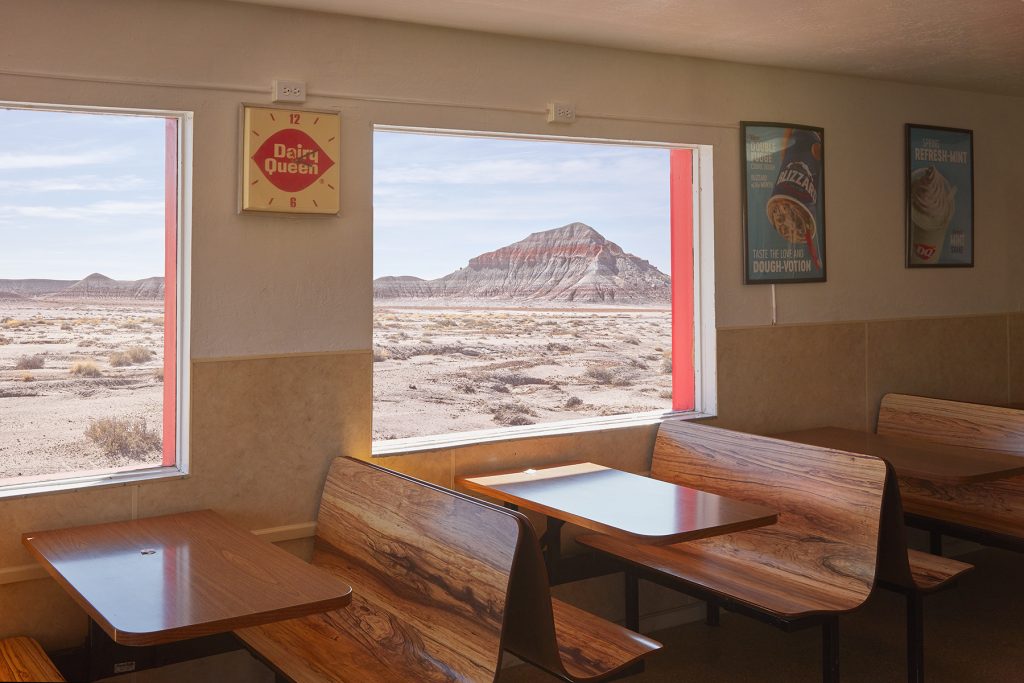
Dairy Queen Painted Desert

Metaphysical painting was born from the artist’s intent to create a world that does not exist in reality. A world capable of enhancing the intrinsic beauty of objects and matter. A fundamental aspect is its ambiguous and paradoxical character . The artist reproduces objects and elements of the real world, combining them and combining them in an absurd way. In this way the objects are stripped of their usual meanings, the work loses its link with reality and is placed outside it. It sums up my state of mind and method completely and makes sense of the range of material I have attempted to include in the project but also signals which images to continue with and which to leave behind.

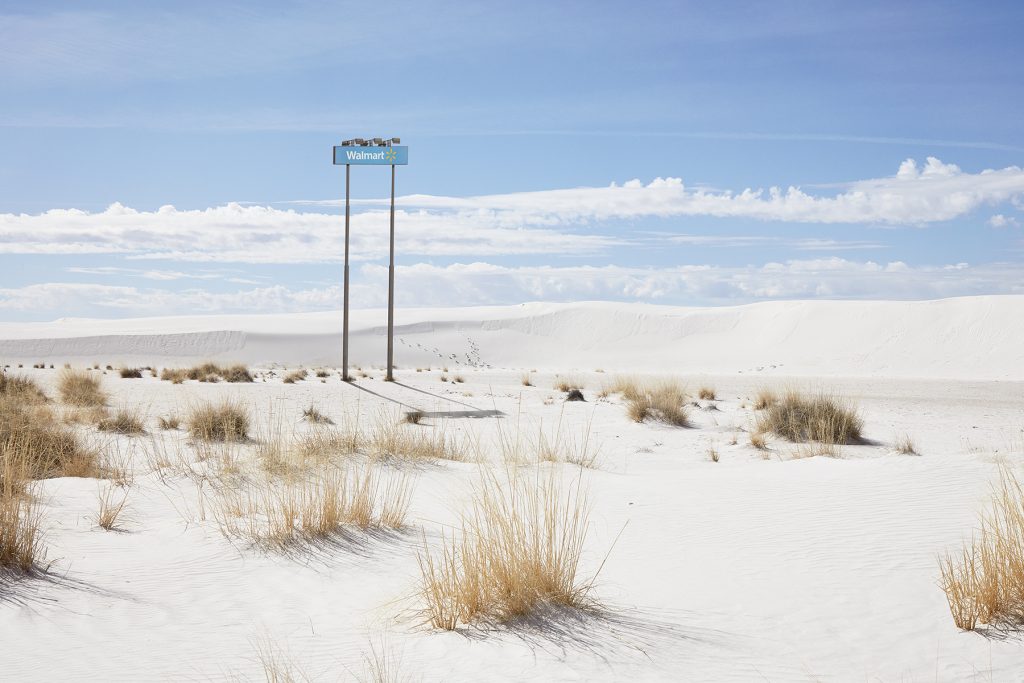
Walmart White Sands

Shooting FMP in pre Covid USA

After what has been a very difficult year with any travel, let alone overseas travel out of the question I was over the moon to finally be give the all clear to make a trip to the US to shoot more material for my FMP.

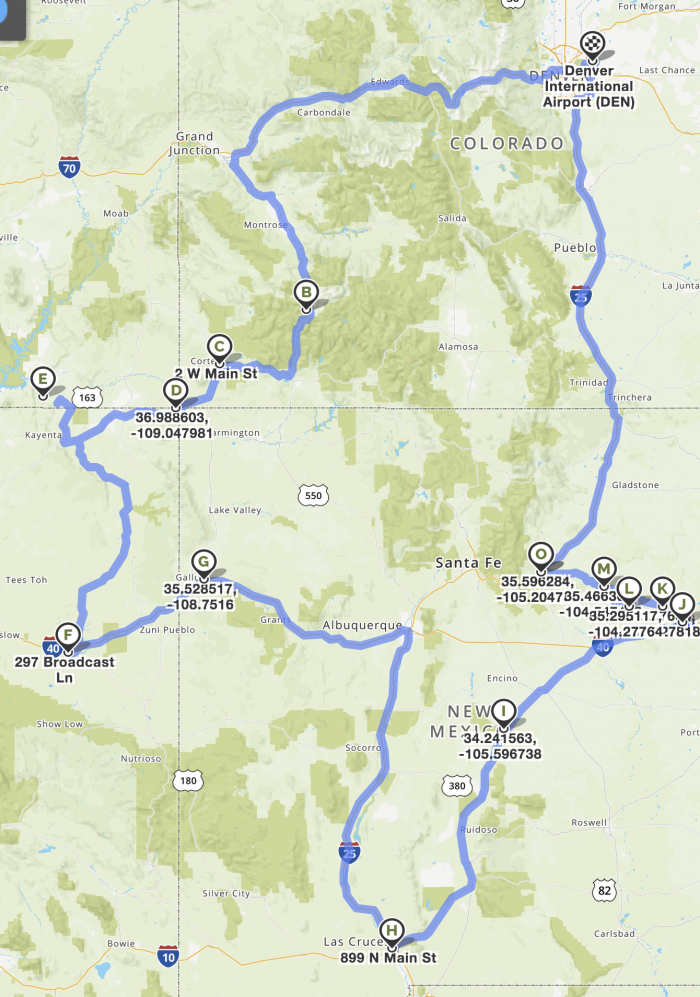
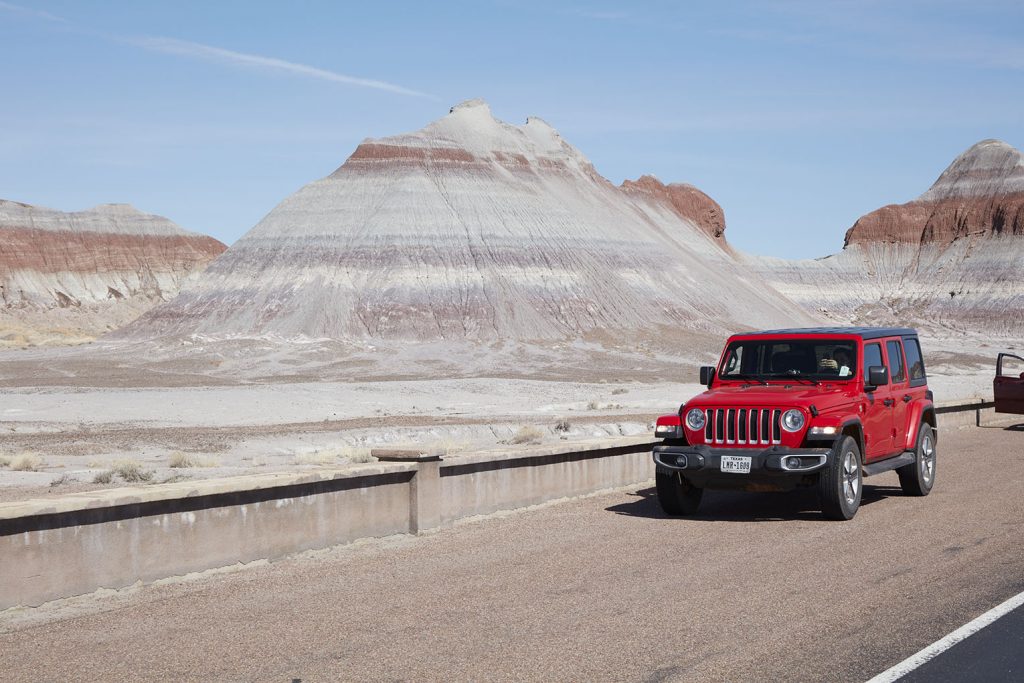
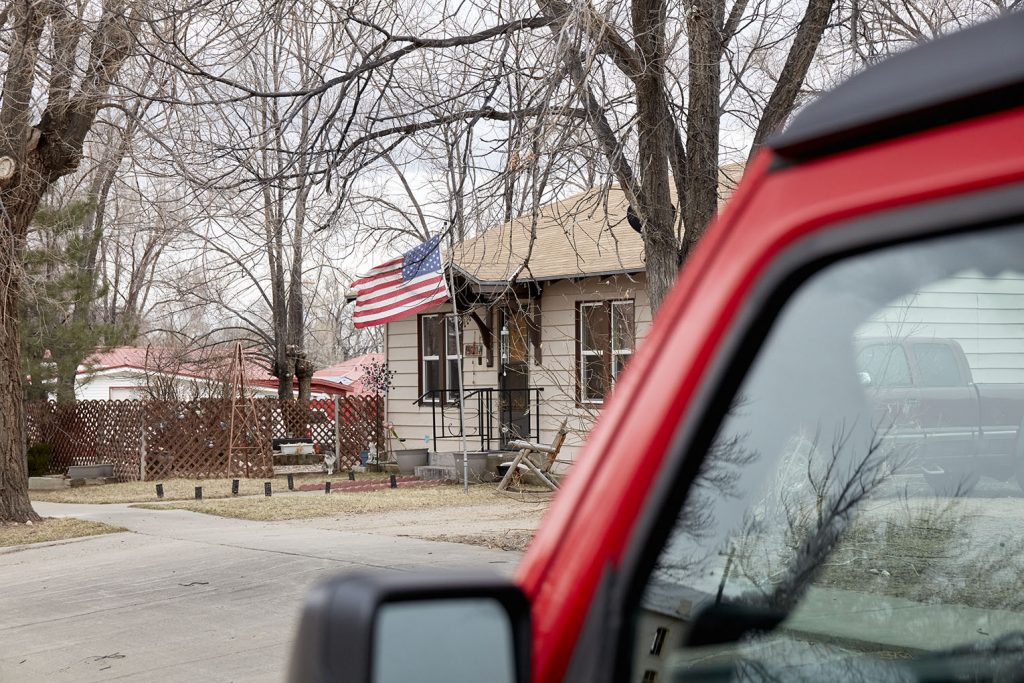
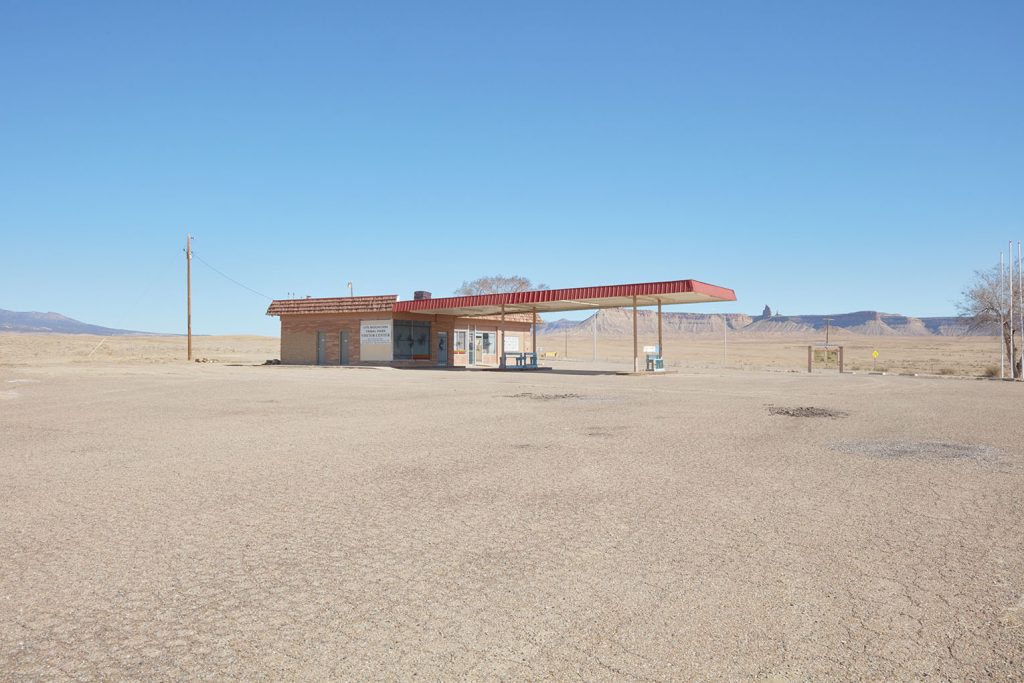
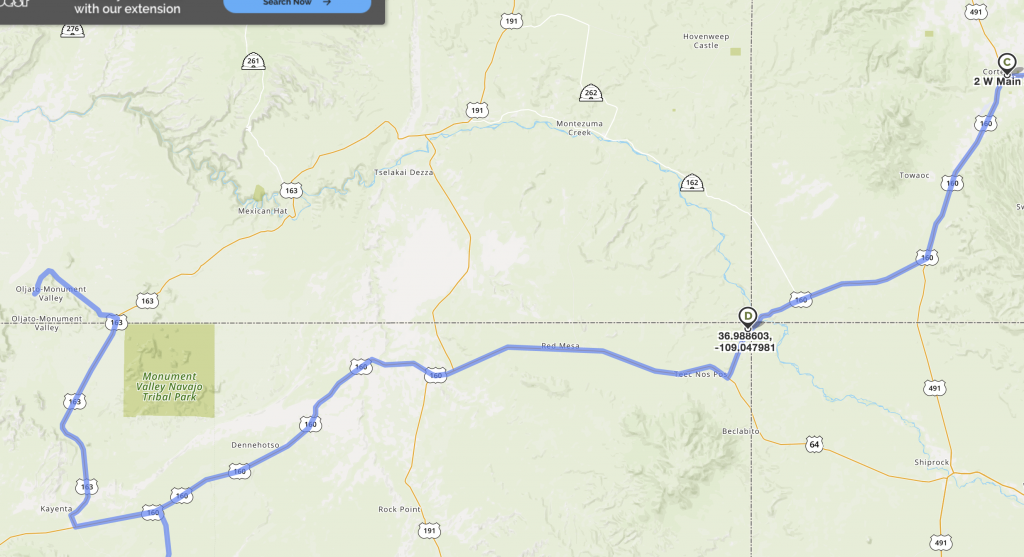
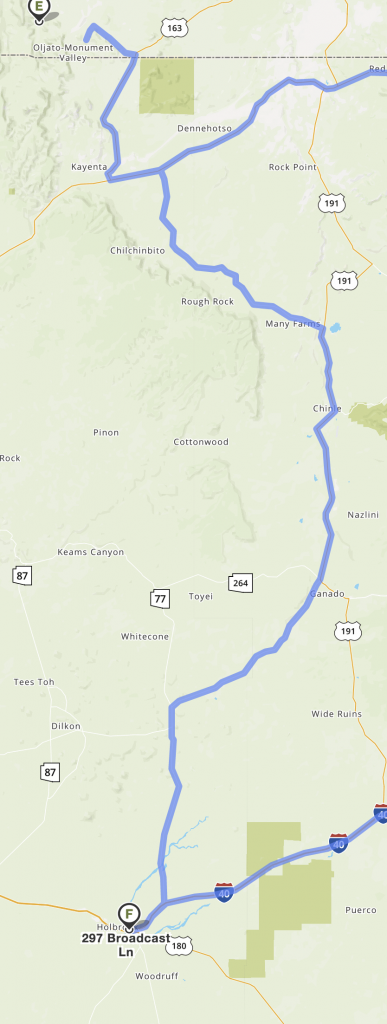
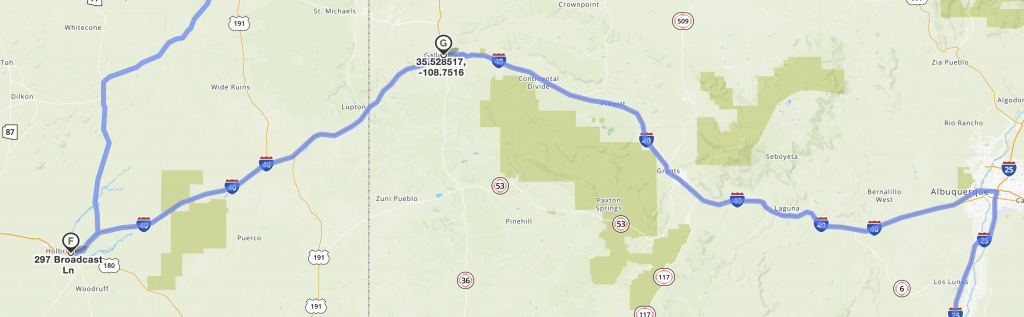
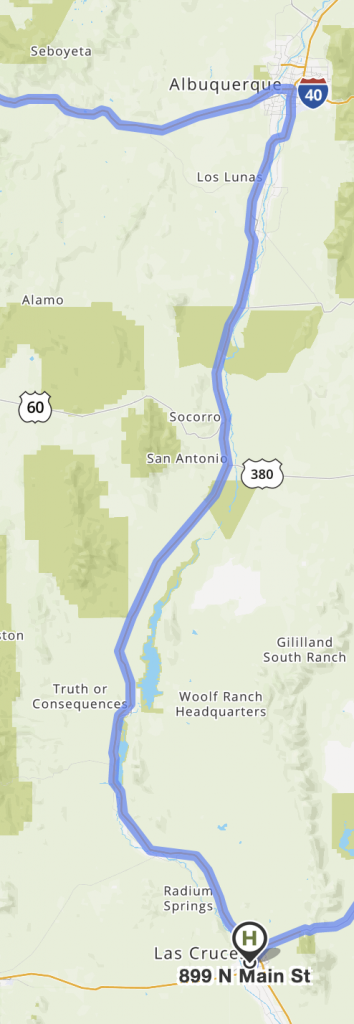
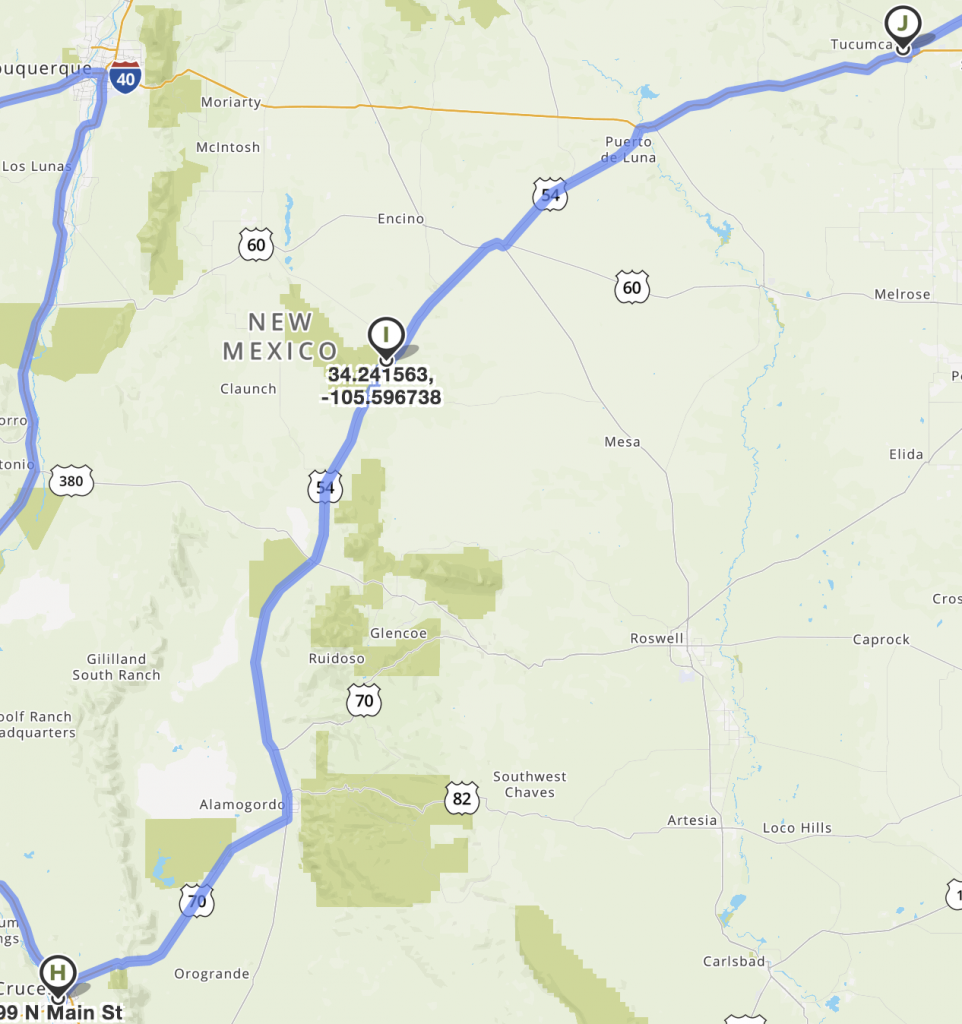
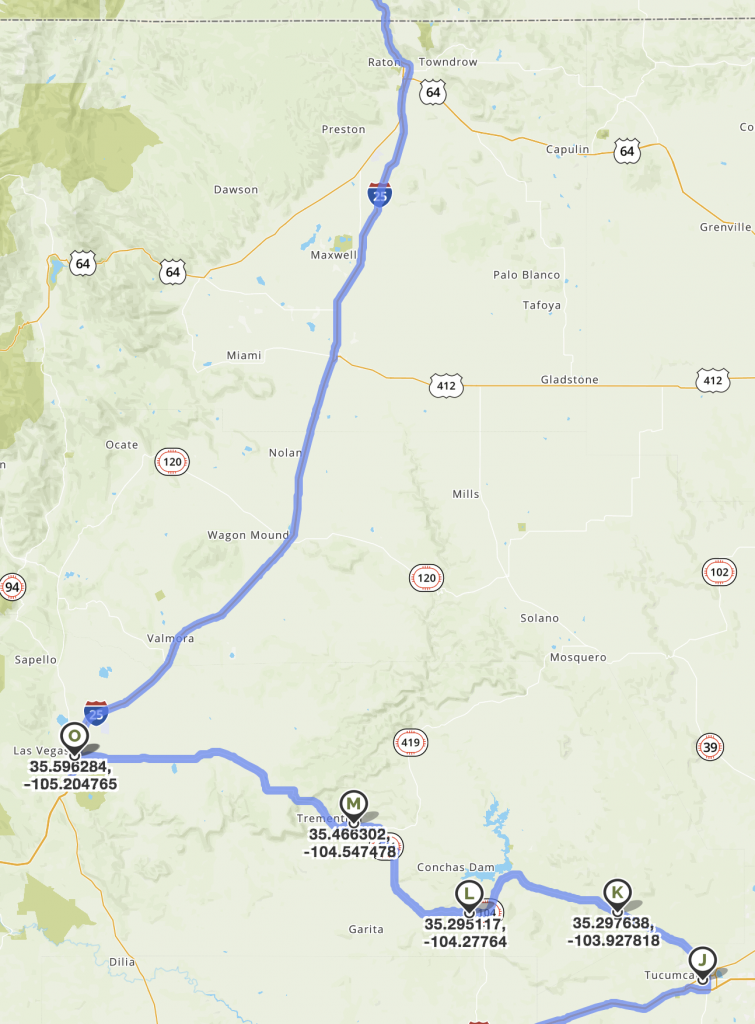
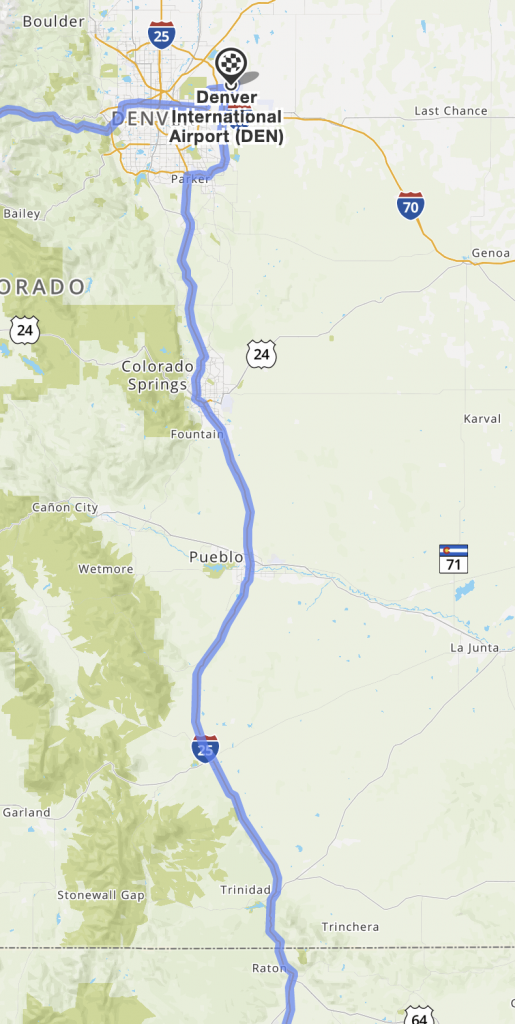
Having to use a mixture of BA reward miles and companion vouchers we were a little restricted on timings and destinations but we were able to find return flights to Denver. Planning a route starting there, looping across to Cortez, Four Corners to Monument Valley then heading down to meet Route 66 at Holbrook, heading through Gallup to Albuquerque then down to Las Cruces for White Sands before heading back to Route 66 for Tucumcari and the final return leg via Raton finally arriving back in Denver, 8 days and 2051 miles later. Here are a few snaps from along the way, we didnt actually book a giant red Jeep, it was all the car hire place in Cortez actually had, discreet it was not!

We were lucky to have enjoyed largely good weather and no real mishaps apart from running out of fuel and being pulled over for speeding, most importantly the trip gave me the mental headroom I needed to revaluate what my project was actually about, or at least start that process which was crucial and led me along the research path to the Pittura Metafisica route which you can read about here.

So this is the exact route we travelled, in hindsight it was too far in too short a time, I know I missed a lot of wonderful opportunities but needs must, we had fixed parameters and little did we know we would return to a deadly Pandemic so were very lucky to arrive back in the UK literally a day before the lockdown.

Pittura Metafisica or Metaphysical Art Movement

What is Pittura Metafisica?

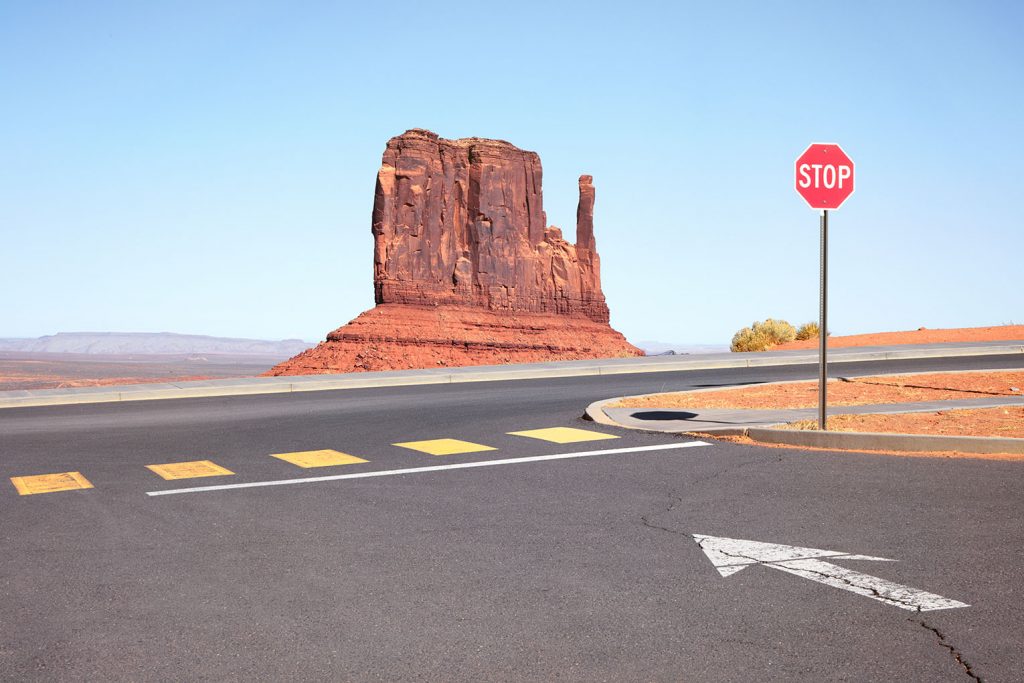
After grinding to something of a halt with perhaps too many open threads to my project and now the added complications of the Covid 19 lockdown I turned to research again in an attempt to make sense of my newest compositions made with the images captured form the early March Road trip. After making an image at Monument Valley, a straight shot looking out of my hotel room at the extraordinary view it seemed almost faked although its a totally straight shot.

The View Monument Valley 2020

I started to experiment adding new views to other interiors captured during the trip.

Blue chairs white sands 2020
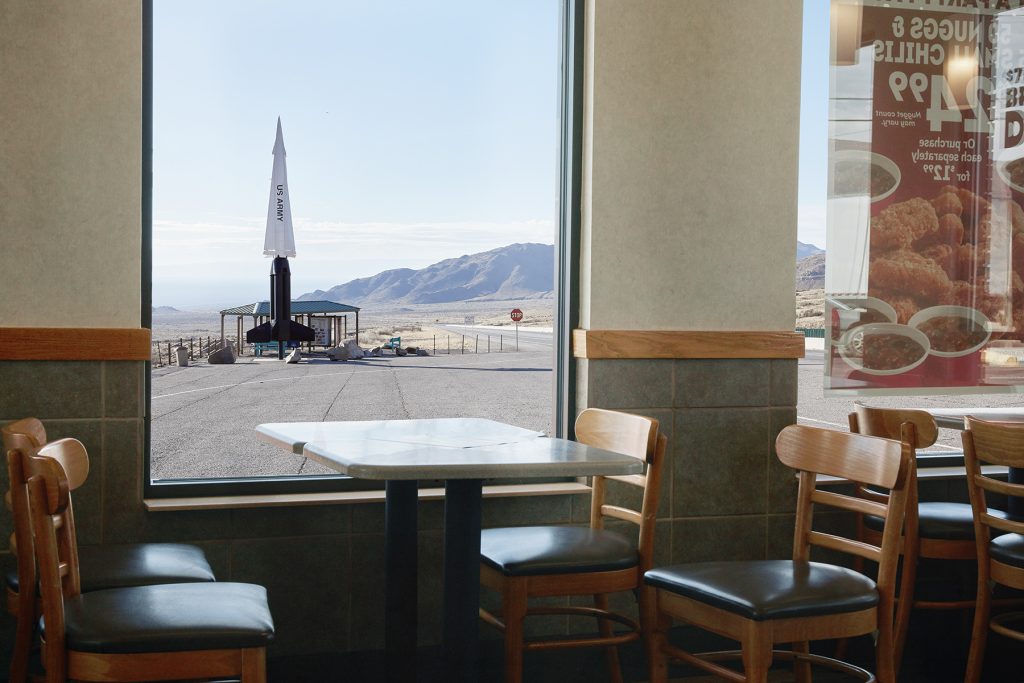
Wendys White Sands Missile Range

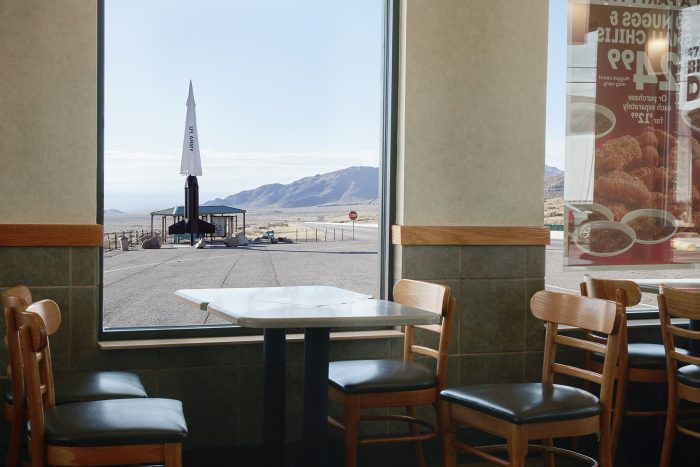
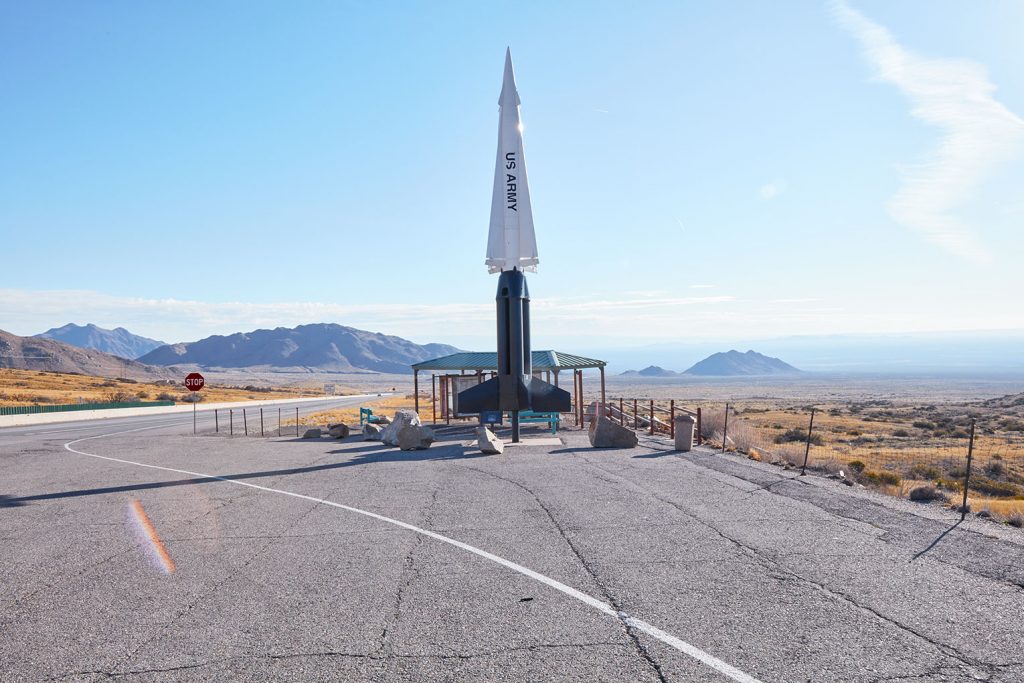
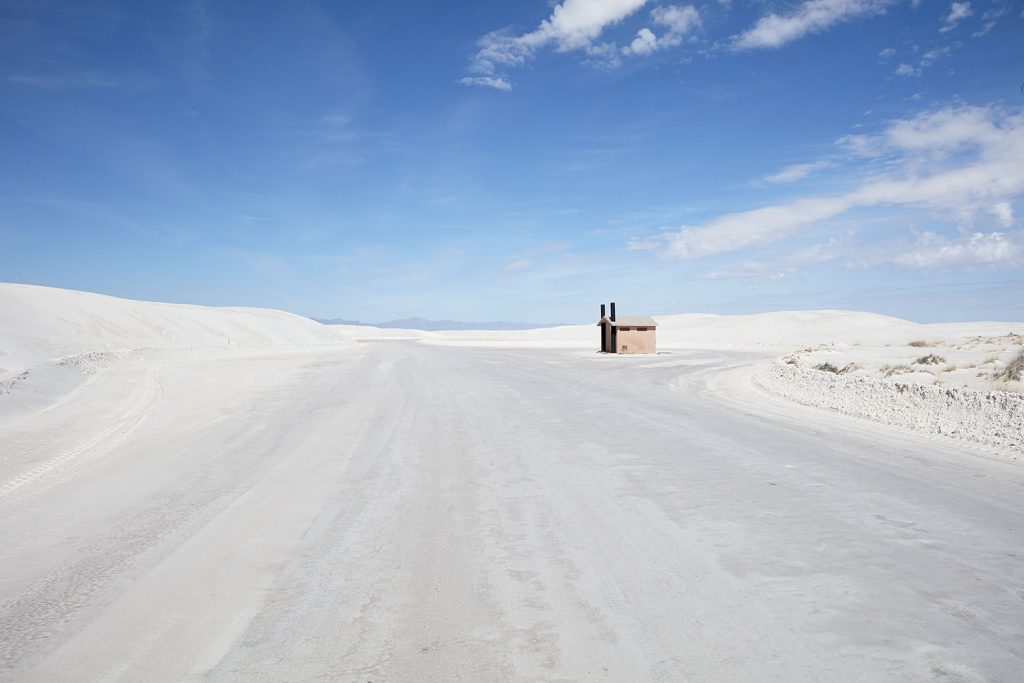
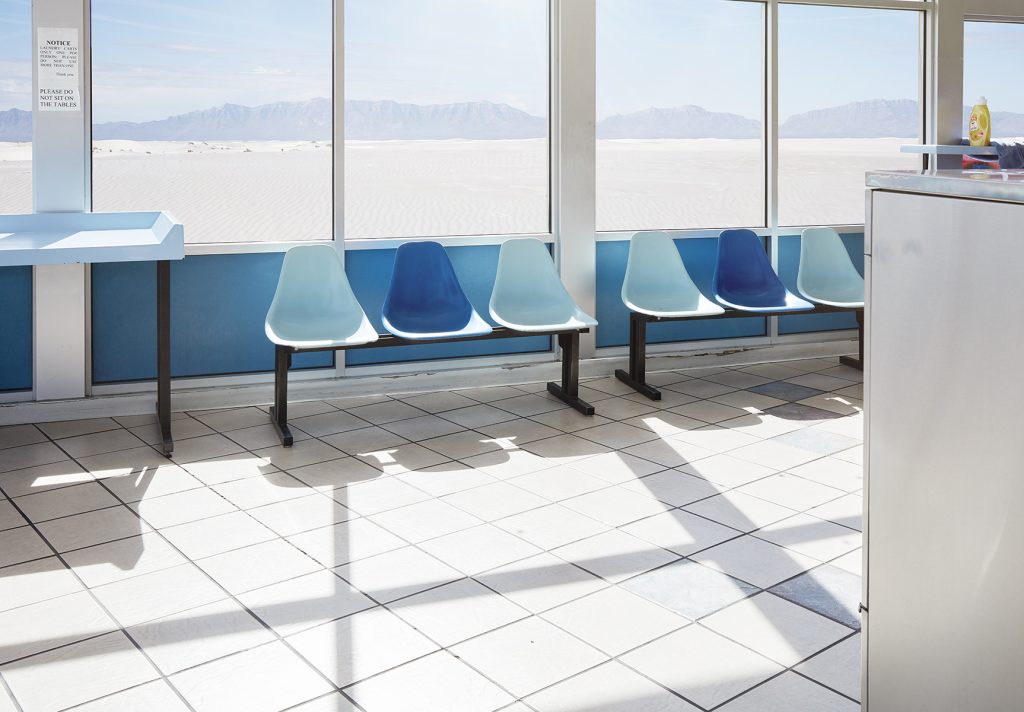
In these cases I combined the interior of a laundrette I found in Albuquerque with White Sands National Monument and a US Army missile display bizarrely in a layby on the road to Alamogordo, New Mexico with the interior of a Wendys restaurant. Again I wanted these to look like the could be real but a little off, aiming to replicate the feeling I got from my straight shot at Monument Valley.

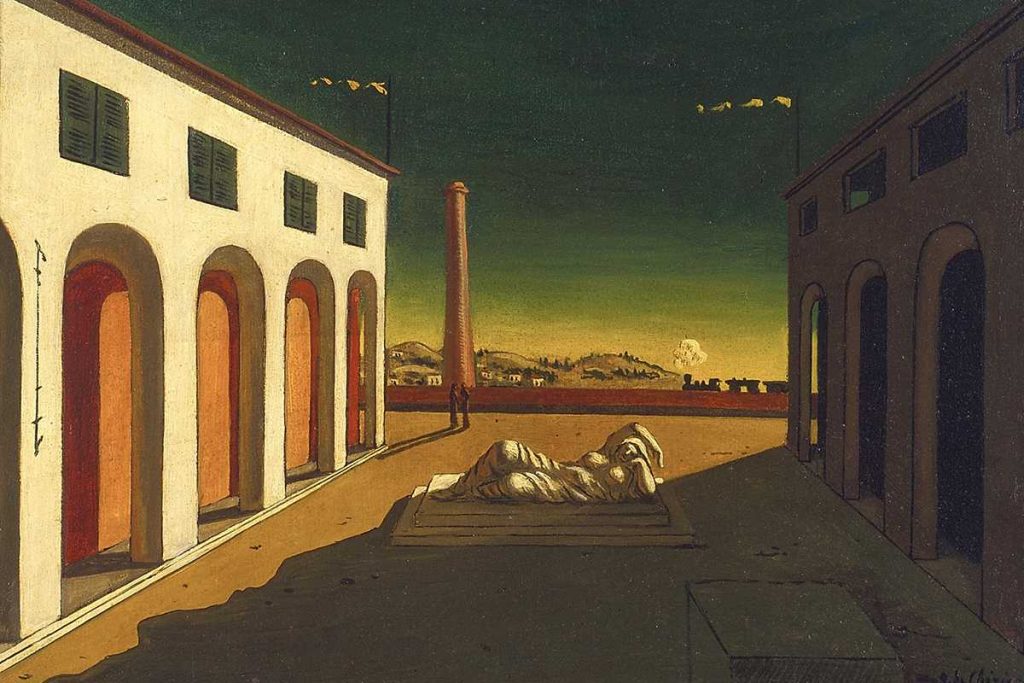
So I was very excited to discover the Pittura Metafisica or Metaphyscal Art Movement and the work of Georgio de Chiroco. A movement created by Giorgio de Chirico and the former futurist, Carlo Carra, in the north Italian city of Ferrara around 1917.

De Chirico aimed to dismantle reality through a literal change of perspective, the alternation of shadows and light, and a reinterpretation of mundane objects, which undoubtedly challenges the viewer to contemplate the piece and to search for the virtual which the actual stands for. To achieve this, de Chirico used familiar subjects and popular artifacts and placed them into unexpected contexts. This is exactly my aim too. Moving my story to occupy interior spaces, creating a framing of my original scene with the overlay.

Giorgio de Chirico Piazza D’italia

Using a realist style, they painted the squares typical of such Italian cities but the squares are unnaturally empty, and in them objects and statues are brought together in strange juxtapositions. The artists thus created a visionary world of the mind, beyond physical reality – hence the name.

The brief analysis of the painting is generally applicable to the very concept of Pittura Metafisica. The idea behind it relies on a supposition, or rather a decision, that the physical world is not presenting reality as it is.  Strinati even relates the momentum of Pittura Metafisica’s conception to de Chirico’s physical state, since it was a period of time in which he was recovering from an illness, and therefore aiming to reconcile his body, spirit and soul and to achieve the harmony of being.

Giorgio-de-Chirico-Melancholia-1916

“I believe that nothing can be more abstract, more unreal, than what we actually see. We know that… the objective world… never really exists as we see and understand it… has no intrinsic meaning of its own, such as the meanings that we attach to it.” – Giorgio Morandi

Metaphysical painting was born from the artist’s intent to create a world that does not exist in reality. A world capable of enhancing the intrinsic beauty of objects and matter.
A fundamental aspect is its ambiguous and paradoxical character . The artist reproduces objects and elements of the real world, combining them and combining them in an absurd way. In this way the objects are stripped of their usual meanings, the work loses its link with reality and is placed outside it.


Another important aspect is the sense of mystery and restlessness that pervades the scene. The positioning of the work outside of time and physical space gives rise to a sense of disorientation, of enigma in metaphysical painting one must recognise an ironic and clearly ambiguous component. It is precisely this particular component that captures the interest of the surrealists, who see de Chirico’s metaphysical painting as one of the roots of Surrealism.

references

https://www.tate.org.uk/art/art-terms/m/metaphysical-art

http://dailyartist.blogspot.com/2011/03/carlo-carra-february-11-1881-april-13.html

http://xoomer.virgilio.it/adi_maggio/1916_artemetafisica.htm

Pho 705- Uta Kogelsberger

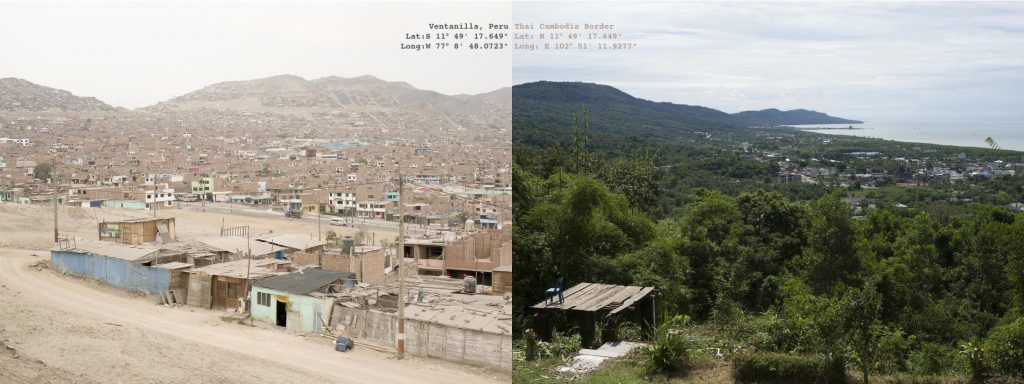
antipodes_thailand_peru
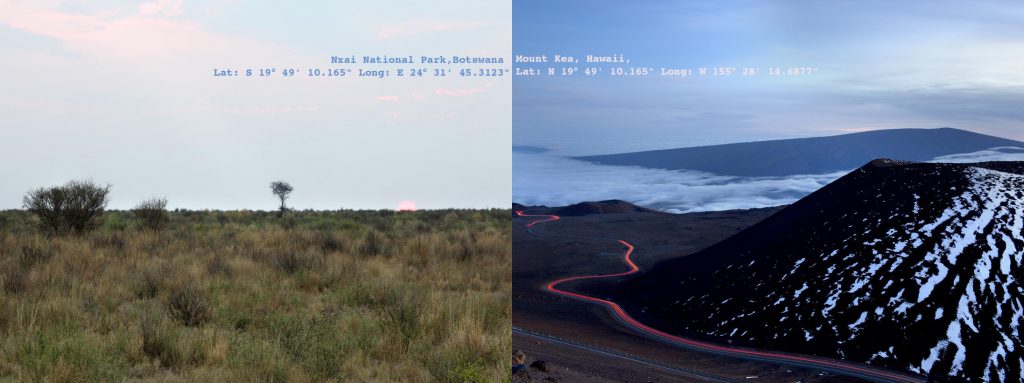
billboard-design-antipodes-botswana-hawaii
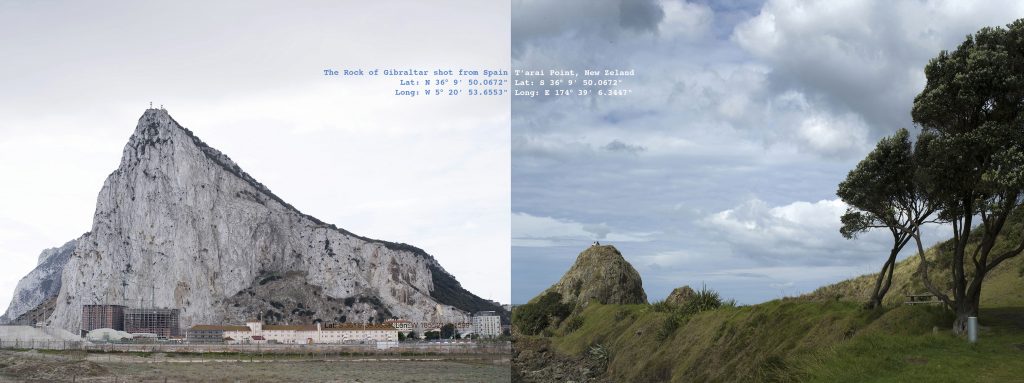
billboard-design-antipodes_gibraltar-new-zealand

Antipodes (2014)
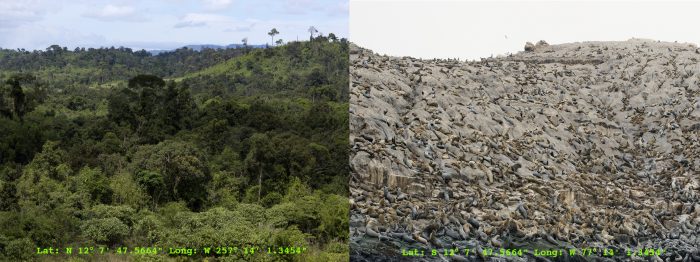
The Antipode series consists of a series of photographic diptychs always juxtaposing two exactly opposite points of the globe in a single image. The work was shot in a three-week period, traveling from Spain, to Peru, from Peru to Hawaii, to New Zealand, to Thailand and finally to Botswana, covering the stretches of the globe. The series visually collapses geographical space to present a world inextricably connected.

Although the morphing of the landmass is different to mine, her the artist is looking for the terrain to be able to run from one image into the next creating an uninterrupted ‘conjoined’ single scene where my approach blends the alternate scenes within the physical space of the original scene the principles of construction are similar and I may experiment trying something similar.

References:

Kogelsberger U, 2016, Antipodes

utakogelsberger.net

705- 121 With Laura

So this week I had the first of my one to one meets with my supervisor Laura.

A really useful session, not without its challenges because she’s thrown some questions and ideas into the pot that I’d never given any previous thought to but I can see by considering these things it will help me narrow the focus and establish the final purpose of my FMP.

So as I’m about to embark on a long in distance but short in time road trip around New Mexico I’ll have plenty of thinking time to work this out.

Doyle E, 2016, End

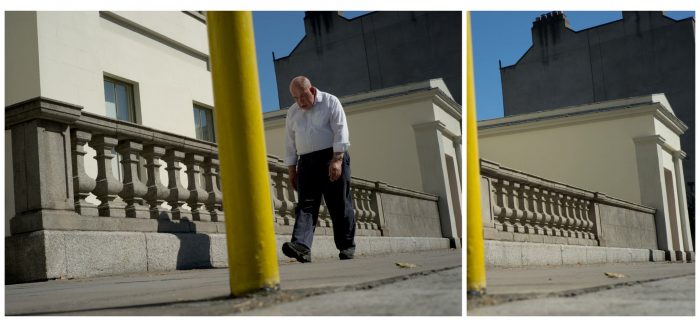
Laura suggested I look at the work of Eamonn Doyle, a Dublin based photographer working primarily in street based photography and oh my gosh I am an instant fan.

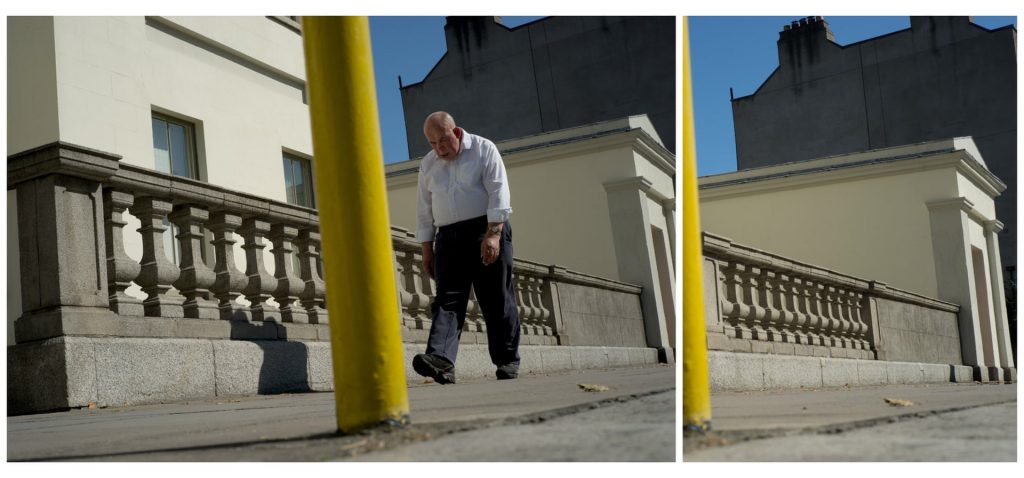
For the purposes of my project I was very interested to examine how Doyle uses the lines he purposefully build into his compositions to also arrange his images in printed form.

Doyle E, 2016 End tryptych

His book productions are varied and collaborative. End pictured above was produced in 2016 as A collaborative work by Doyle, Niall Sweeney and David Donohoe as well as Doyles images it also features drawing and sound by Sweeney and Donohoe.

“End. gives equal significance to the city and its population, their combined forces continuously shaping each other. Individual journeys of everyday life are compacted repetitively into the same streets. Dubliners wear away at the autonomy of their city, while the streets themselves become a kind of sculptural civic mental State. Dublin, its light and its people, carry out dance-like actions, swapping roles in a series of short plays. End. unfolds as a sequence of events — loops of time and place — revealing a city whose concrete is as plastic as the movement of its inhabitants”

Taken from the artists website heres a description of Ends components.

“End. is a set of 13 sections all brought together in a white leatherette slipcase, with black-embossed drawings and tip-in title sheet, wrapped in yellow cellophane.

Each section is folded to 200 x 280 mm, portrait.

Featuring 273 photographs, 20 ink drawings and a 7” vinyl sound work, these 13 Dublin “moments” comprise:

One yellow book, thread sewn, printed in black duotone with screen-printed drawings.

Two black books, thread sewn, printed with silver inks.

Three full-colour books, thread sewn, with screen-printed drawings.

Four concertina-folded double-sided diptychs in full-colour with screen-printed drawings.

One large full-colour double-sided folded map.

One 7” vinyl record tucked inside a printed and folded glassine poster.

At the centre of the work is a concertina-folded double-sided full-colour triptych.”

Doyle E, 2016, End

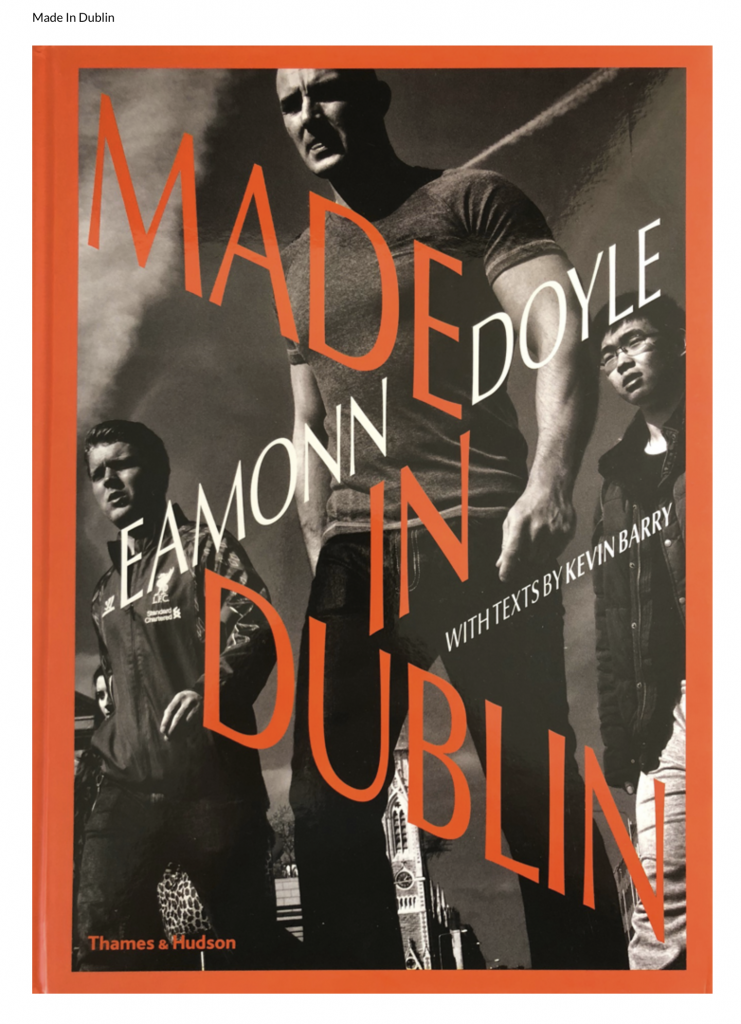
So whilst I simply dont have the resources to even attempt something this complex I love the idea of the loose leaves and as Laura has drawn attention to the way he uses the lines in his images to form the page compositions which he has carried on as a theme with this new book, Made In Dublin.

Doyle E, 2019, Made In Dublin

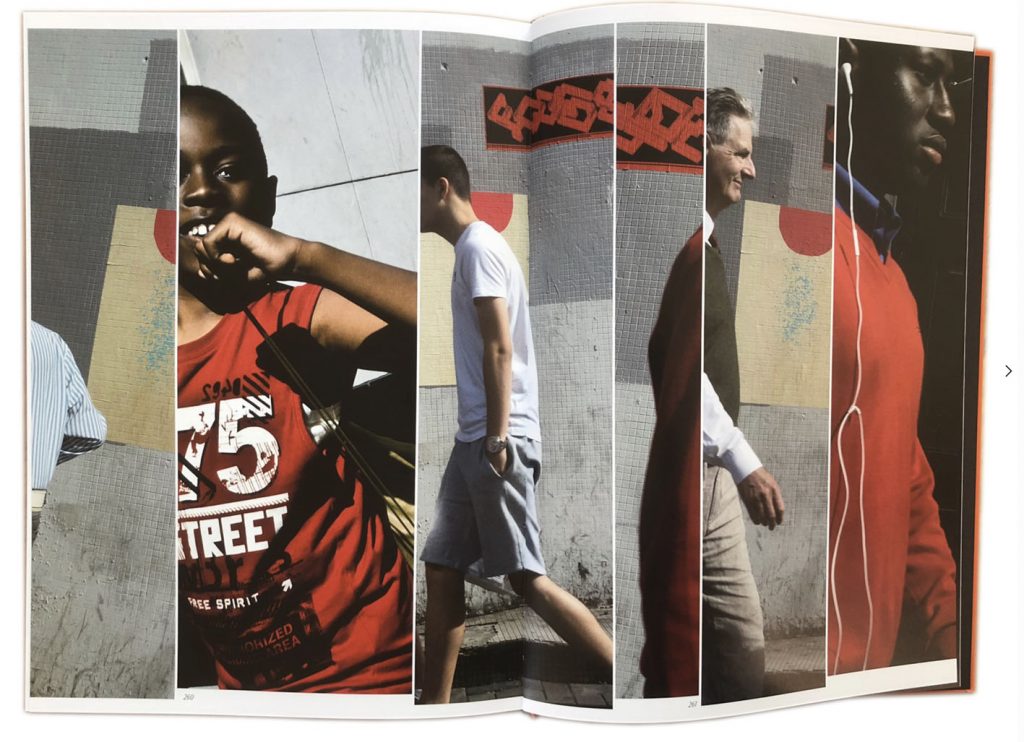
Doyle E, 2019, Made In Dublin

In this image he rephotographs the same location with different subjects walking through and collages them interspersed with completely different images yet maintaining a connection through the compositional elements.

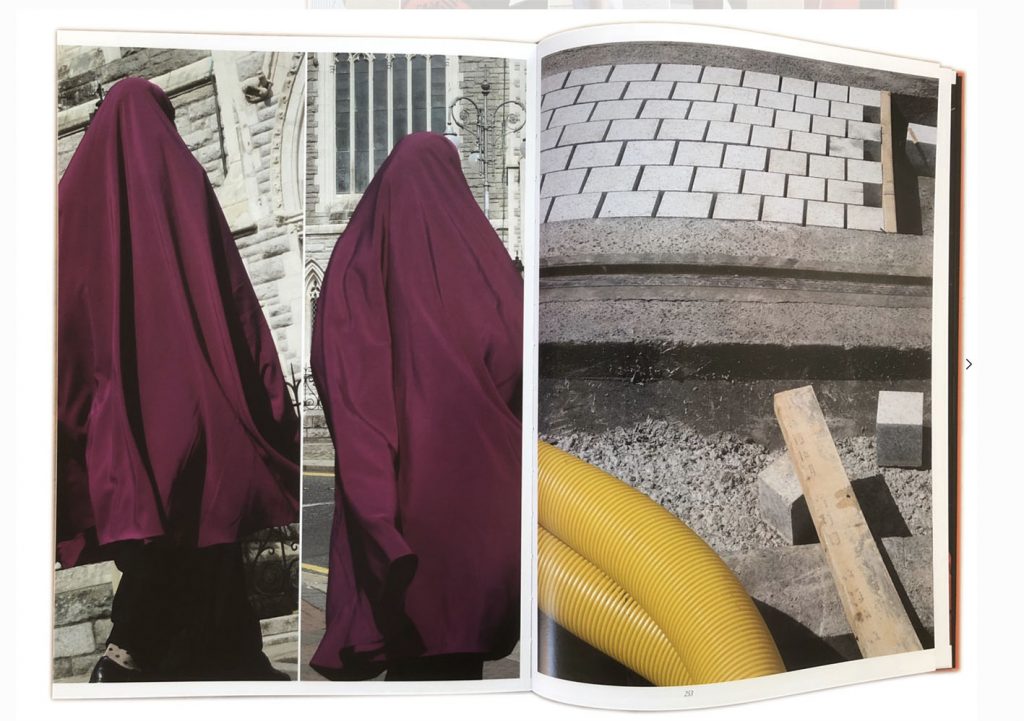
Again this is an approach I will also consider and experiment with. These executions make good use of the gutters in the DPS format too.

Doyle E, 2019, Made In Dublin

705-WIP -Non Places

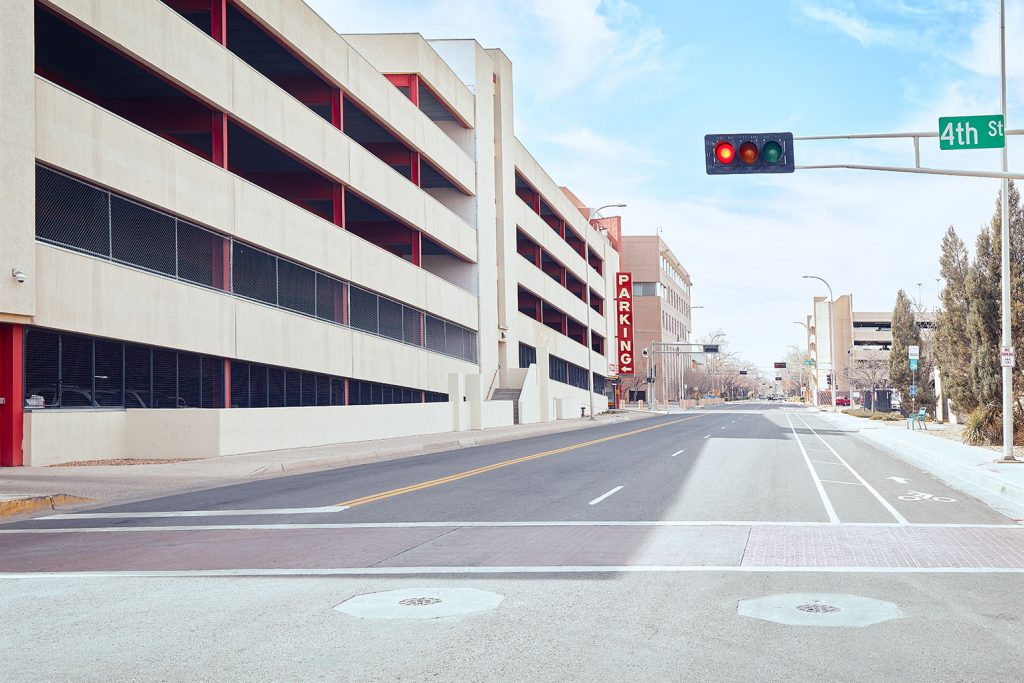
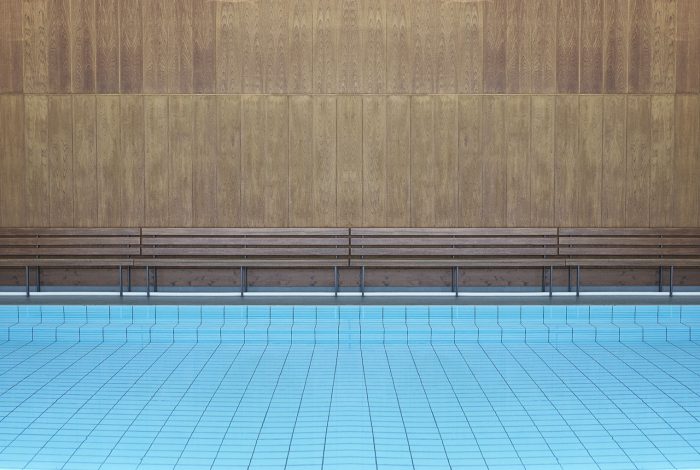
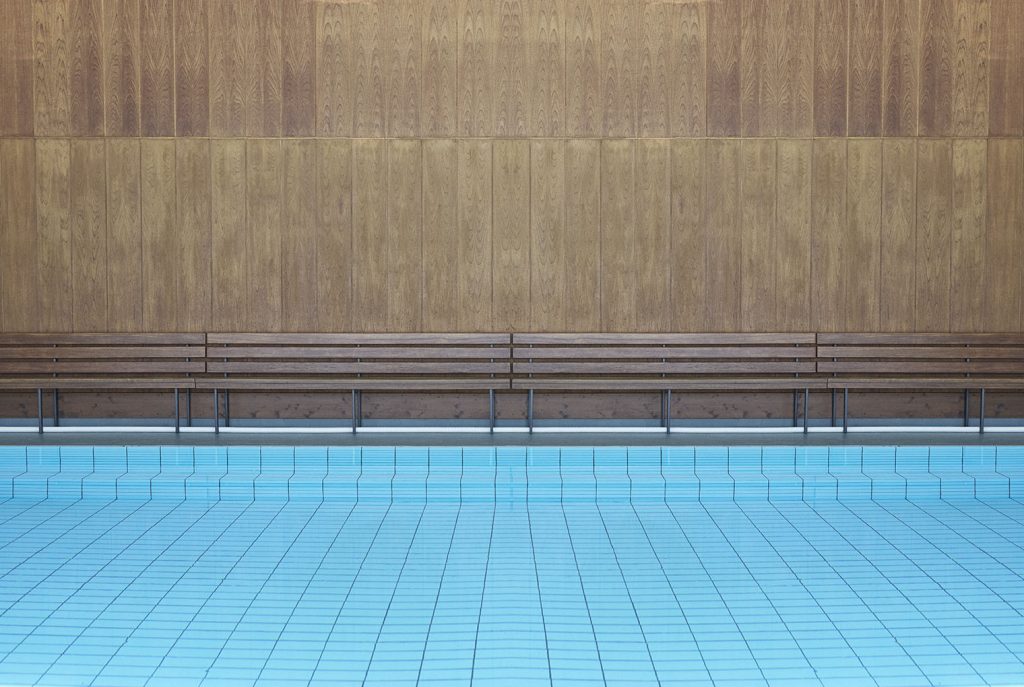
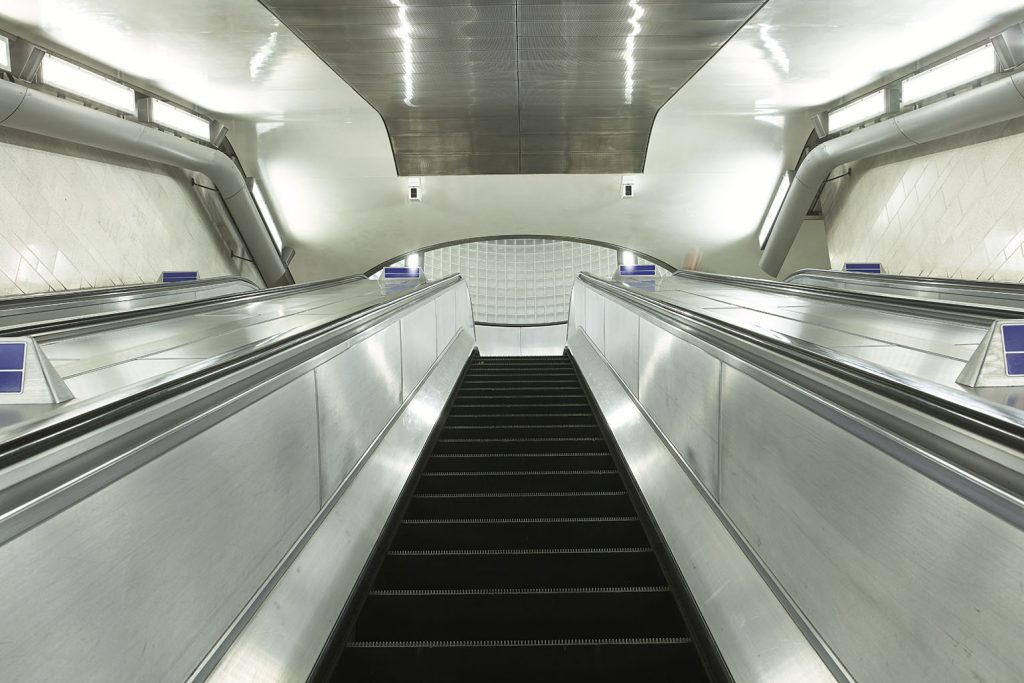
Part of my project beyond the composite tableaus is to look for non places in the way Marc Auget describes them. Rooms, area and structures that have no geographic identity whatsoever.

Their function over riding their aesthetic or wholly defining it. Its also curious how certain objects the world over are all made from the same materials regardless of culture or region.

Is this purely a practical thing or has no one ever thought to give the item some regional identity beyond instructional signage?

The Pool
Escalators I
Escalators II
Metropolis

Mechanics Of The Tableaus

Project Methodology

Toshio Shibata says “If we take landscape photography for example, they say there is nowhere in the world where people have not visited. Assuming that is true, but knowing every individual has a different approach to taking photographs, something different will emerge in your photos even if you go to places people have been to before, as long as your ideas about that place are different. So you can always find new ways to take photographs, even of the most commonplace things, without necessarily going to places where humans have never set foot. If you regard photography, the medium, as linked to ideas about creative expression, then I think there is no end to the possibilities”

This I find interesting and true in an anecdotal sense, I often travel with assistants and other photographers, even though we roam the same locations its rare our images are the same, similar often, but never identical. So taking this observation and using the views to create entirely new views, albeit using real world scenes we are amplify Shibatas view.

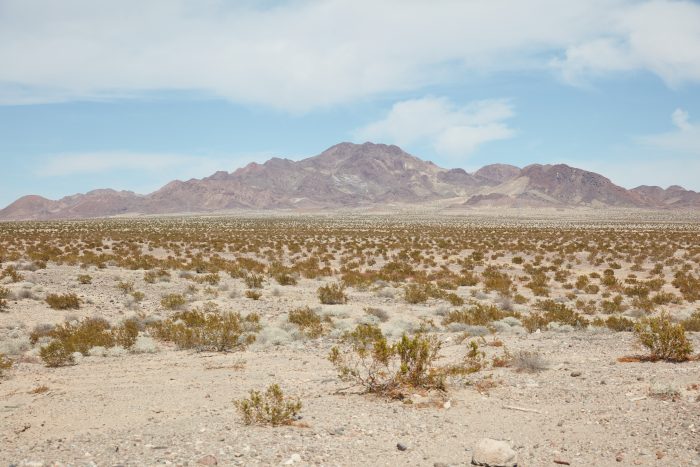
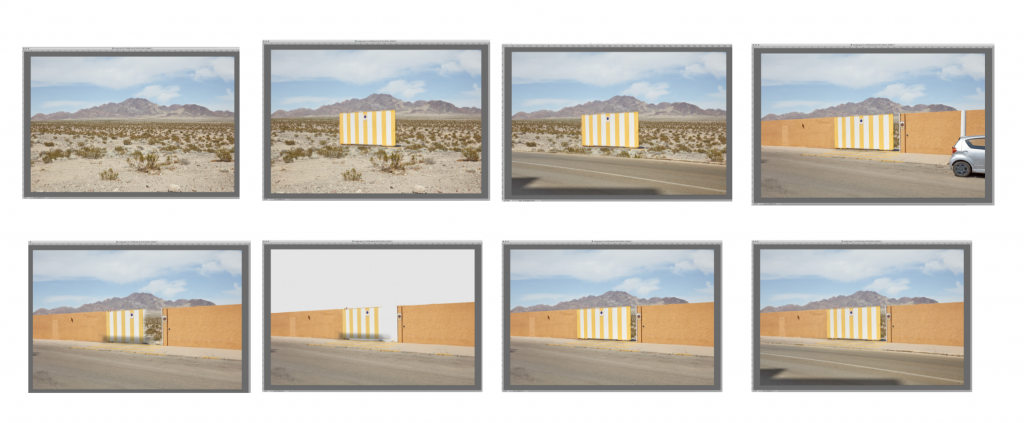
Construction of the images even though they are relatively simple scenes is complex and extremely time consuming in adition to the creation of the original elements hence what may appear to be a fairly modest target number of ten tableaus. Here we see the sequence and elements used to construct Orange Gate which has actually continued to evolve since.

So the sequence above shows some of the key stages of how the image is constructed, bringing elements in and building others around them to achieve true scale and perspective. The sense of the vernacular to a viewer is important to this project. Whist a location may look foreign to one viewer it should appear every day to someone who resides there.

The final tableau- Brent M, 2018, Orange Gate

References:

www.polkamagazine.com/evenement/exposition-cibachromes-de-toshio-shibata/