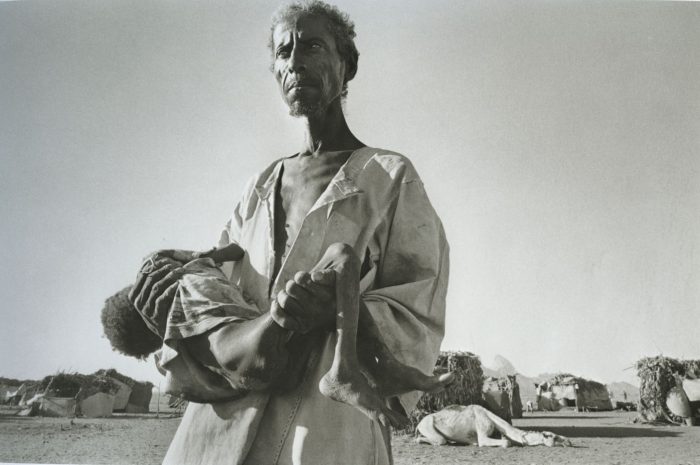
“To aesthetise tragedy is the fastest way to anaesthetise the feelings of those witnessing it. Beauty is a call to admiration not action”
Ingrid Sischy The New Yorker 09-1991
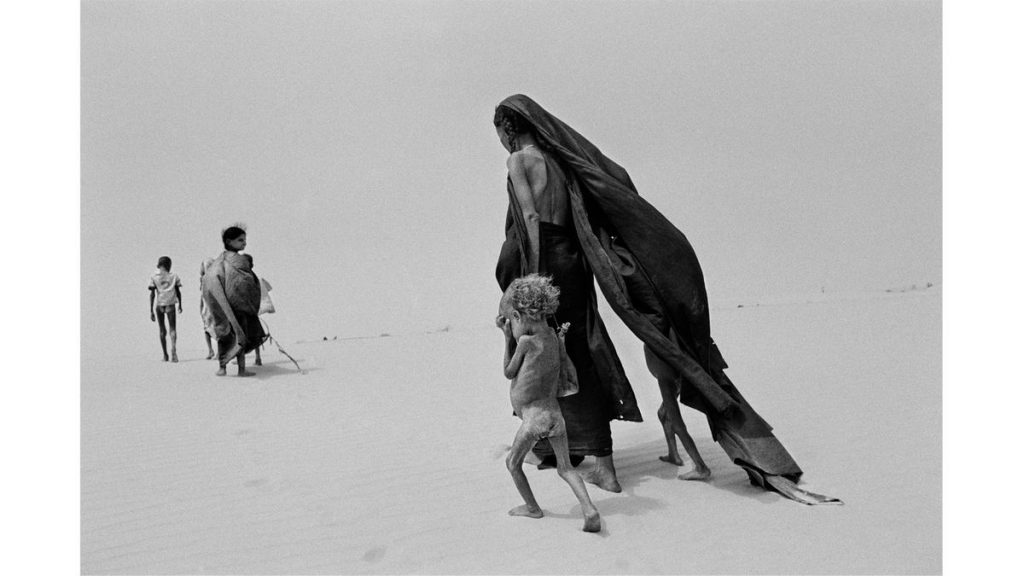
I found the themes explored this week very interesting, reading Sischys New Yorker article reviewing Salgardos latest show at that time “An uncertain Grace” for the first time I found myself in complete agreement. I was always puzzled how a photojournalist had become so lauded in the rarified world of art but that wasn’t my issue. I always appreciated the compositions, technical skills, sheer quality of the works what I didnt like and was never comfortable with was the beautification of human suffering. Just a little empathy invested to imagine walking hundreds of miles with my dying children only to present a tableau of suffering for a rich westerner to exploit before he in turn returns to his first class travel and five star hotel life to become even richer with beautiful images of my suffering? For my benefit? My children? My country?
A phone image of the same scene published immediately, news gathering? yes.
A work of ‘art’? Just no.
Whilst he and some of his fans may claim otherwise, to my mind the subjects in Salgardos work have no equity in the images, be it part of a human mass in a heaving goldmine or a child near death in Africa the subjects benefit not one jot and I find the quest to beautify their predicament insulting. So no I am not a Salgardo fan and I wish I had seen Sischys article years earlier, this statement from her sums it up.
“And this beautification of tragedy results in pictures that ultimately reinforce our passivity towards the experience they reveal”

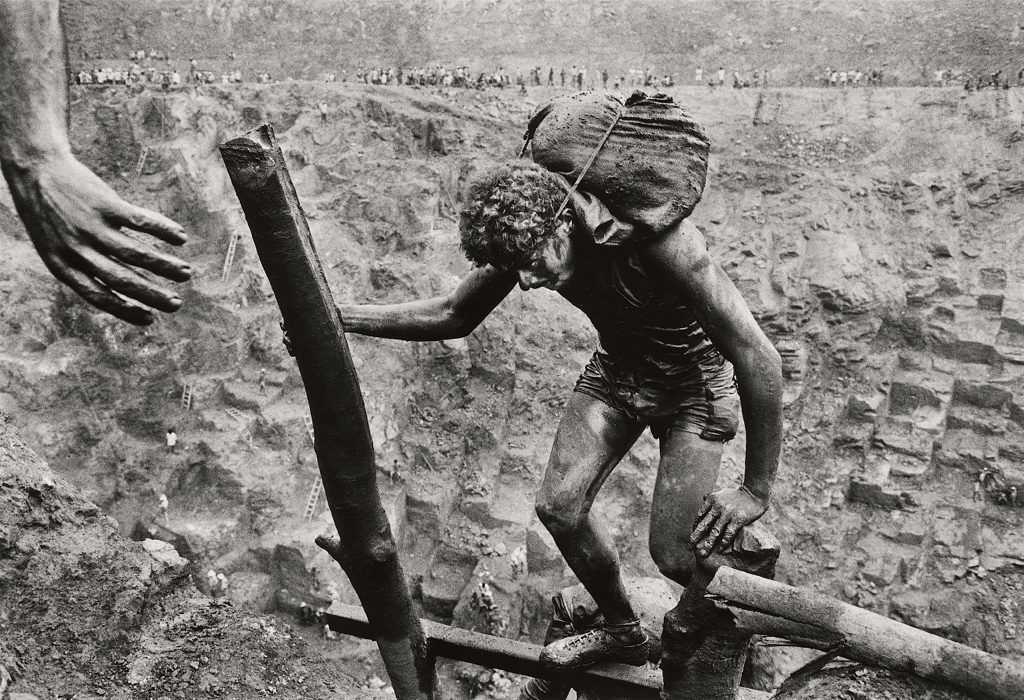
Above we see one of the workers featured, this man is toiling, everything about him screams misery. Above that a sales notice of ‘his’ print. Its a low priced minor edition bu a life changing sum for this worker. Where is the equity? We dont even know his name.
I always quite liked the idea of the aesthetic of Brandts “Inherit The Dust’ images, I think the slog involved and the advertising-esque feel to the project is what appealed, Brandt says he set out to decontextualize his wildlife photographs. Producing life-sized prints of his earlier works, placing them at locations where animals once roamed but are now vanished.
However I was always uncomfortable with the finger of blame these compositions inevitably point at the humans in the images.

Every image that contains poor black Africans to my eye are the negative presented as the opposite to the majestic but long lost beast. The cause of its demise. One could surmise had Africa been left alone instead of being conquered, corrupted and enslaved by the worlds corporations there would be a lot more natural beauty left and a lot less of the poverty stricken locals Brandt is apparently happy to exploit in these images. I see no attempt from him to inform that the destruction he shows is largely at the the hand of corporate Europe, China and America. Where are the men in suits, the shareholders and the money men genuinely behind the destruction? Maybe the buyers of his art don’t like to be featured in it?
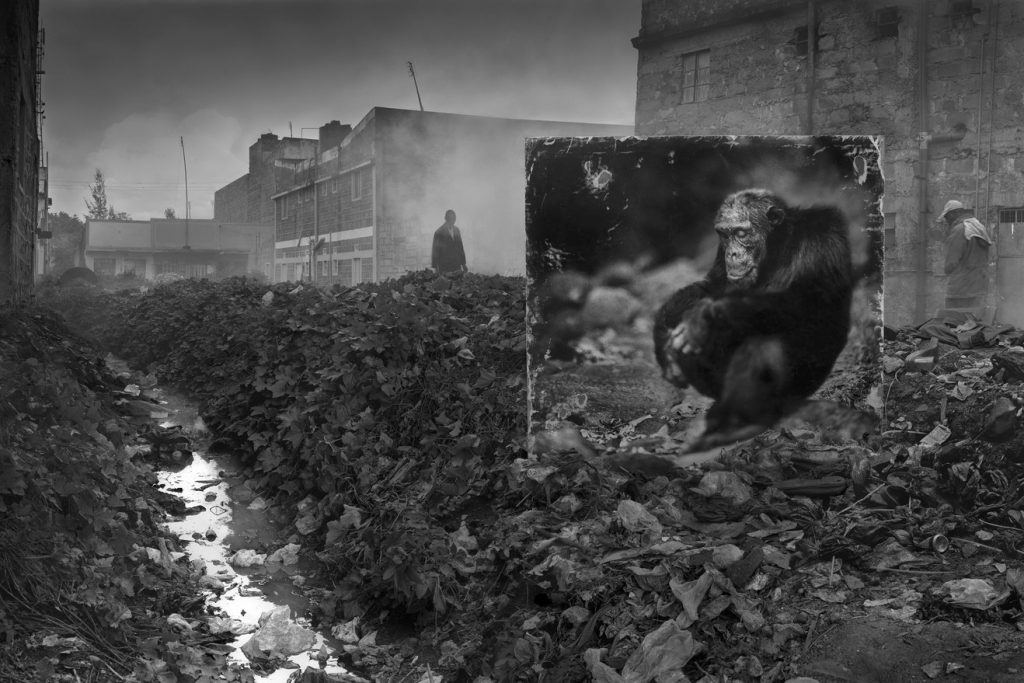
However Peter Canby writing in the New Yorker states “The initial plan was to stage Brandt’s subjects interacting with the wildlife panels, but Brandt found the results both too formal and too stiff. Instead, he left the oversized panels in place long enough for the inhabitants to cease paying attention. He was then able to record the unexpected results” and “The subjects of “Inherit the Dust” are the listless, resigned, impoverished people who inhabit these places—people who are casualties of forces bigger than themselves—and Brandt’s point is that these people, and not just wildlife, are the victims of the destruction of nature” Which is another way of looking at it. Im not convinced personally.
The Chimpanzee image makes the point equally well, its a very powerful image and it doesnt appear to sit the blame with anyone in particular.
Brandt observes that the underlying preoccupation of Inherit The Dust is his concern with the consequences of “man’s astonishingly rapid … destruction of the natural world.” Laudable indeed however I cant help feeling like many Europeans throughout history he takes what he wants from Africa, sometimes the people to be used to erect the image panels and appear simultaneously as the villains of the piece. Whilst I love the aesthetic I see a blame game being played out in the compositions that is inequitable to those featured.
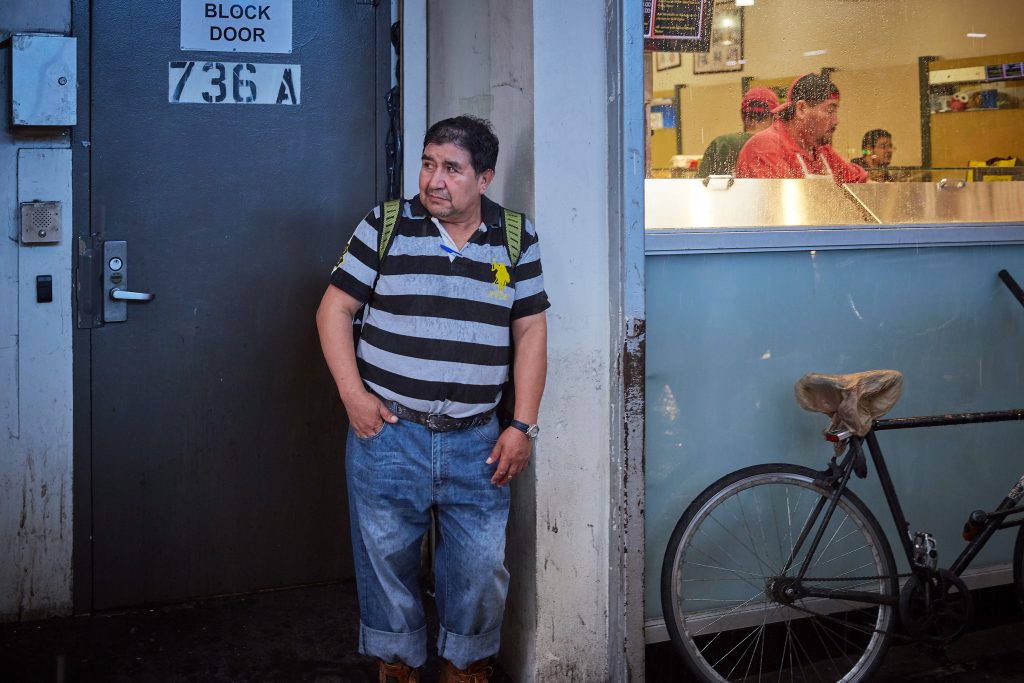
NYC 2018 martin brent
In my own practice I am concerned with taking something away from my subjects, Ive alluded to this internal struggle a number of times in this CRJ, whilst fascinated by and drawn to people and their environment, particularly their effect on those environments inevitably I am concerned that I am using them, often I am making a comment about the negative impact of those actions but by including bystanders who aren’t necessarily directly responsible, am I incriminating them in the same way as Brandt may be? My gaze is often a step or two back, that of an outsider, not so far as to be a voyeur but nonetheless distant.
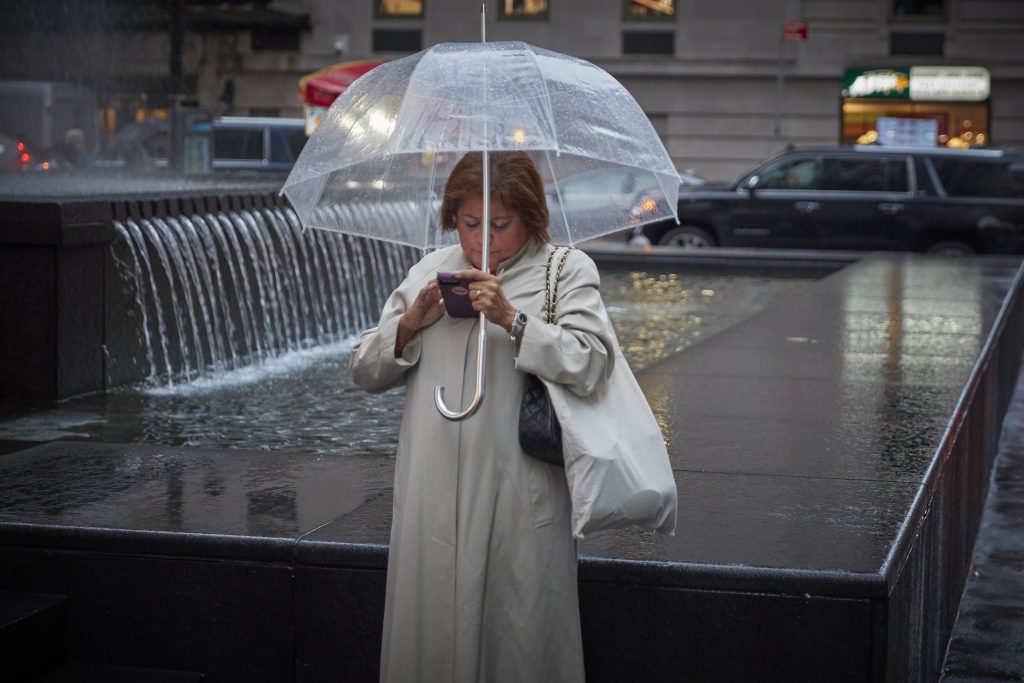
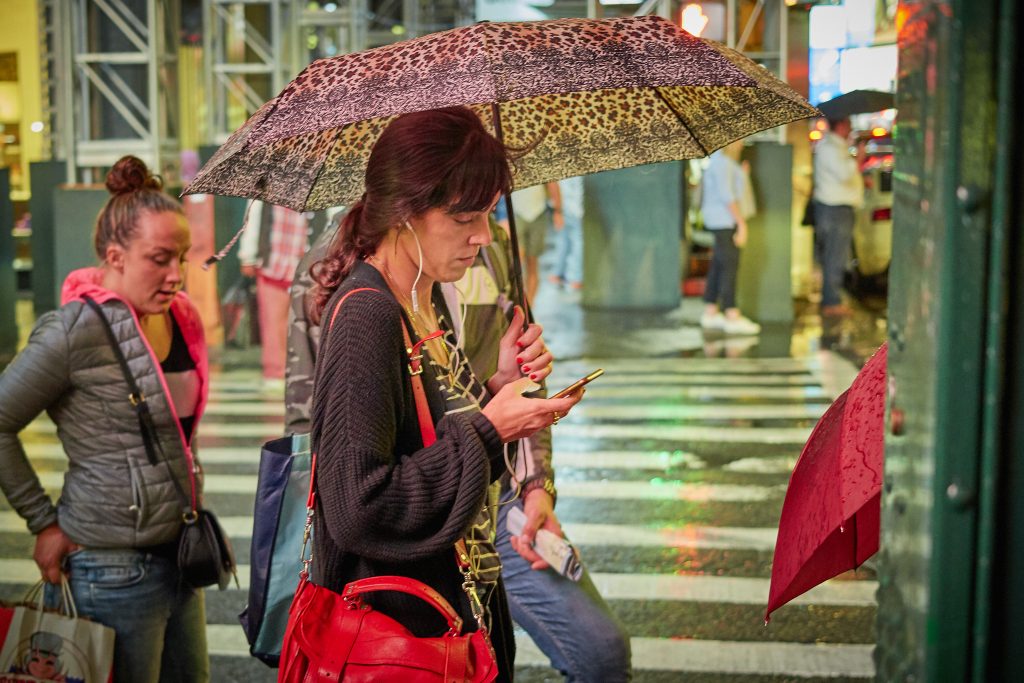
Am I being judgemental or respectful? Both. I think the artist should not only always need to confront their motivations for wanting to show people in their images but also be ready to be accountable to those shown. One also runs the risk of being a hypocrite of course, if not intentionally then certainly in the eyes of other viewers of their works. Ive shown two images here of people being engrossed in their mobile phones oblivious to my presence.
References
Sischy, Ingrid. 1991. Good Intentions (Sebastião Salgado) https://paulturounetblog.files.wordpress.com/2008/03/good-intentions-by-ingrid-sischy.pdf
http://www.houkgallery.com/artists/nick-brandt/featured-works?view=slider#5
www.lempertz.com/en/catalogues/lot/1109-1/166-sebastiao-salgado.html
Cordon, Gerry. 2015. The Salt of the Earth: Sebastião Salgado’s Own Way of Seeing.
<em>The Salt of the Earth</em>: Sebastião Salgado’s own way of seeing
https://www.newyorker.com/culture/photo-booth/elephants-in-dust