
The final week of Informing contexts and wow what a journey! Its been interesting, enlightening, confusing at times but Ive enjoyed it and I do feel like im in a much better place to evaluate and place my own work now as well as images I see elsewhere.
As a final exercise we have been asked to choose one image from our current practice you feel is successful and why you think it is and also one image from your current practice is less successful, again why.
Finally discuss current plans for developing practice.
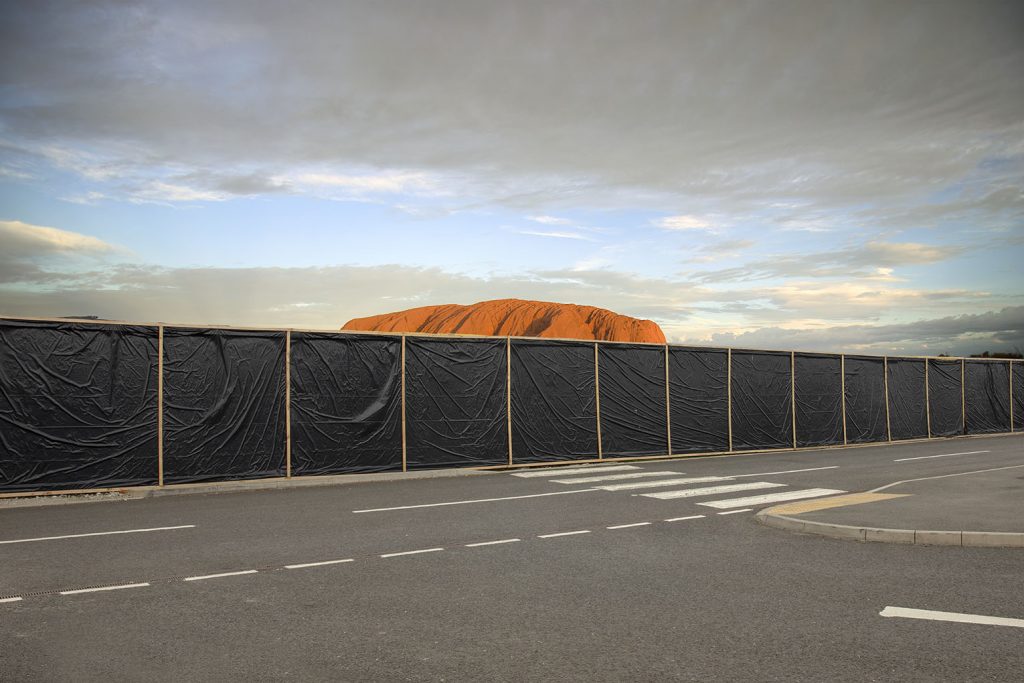
So starting with an image I feel has been successful this is an image made for my FMP The In Between Places.
Having relocated man made objects and cultural icons I then considered what natural objects were very recognisable and of great cultural significance. A few came to mind, Mount Fuji, sacred and on my list to shoot, The Matterhorn, no so culturally significant but recognisable, Everest, im not sure anyone knows what it looks like?? Uluru, sacred to its Aboriginal owners and very recognisable.
For foreground I wanted to use the blandest, most functional and sterile place I could find in England which I found as a combination of Gloucester and Cornwall Services from the UK. Cornwall services having the benefit of a bizarre polythene clad fence which works on many levels.
I want to remind viewers that the true owners of the site were taken away from it, prevented from returning and totally disrespected. Renamed Ayers Rock, Uluru, its true name, became a tourists play thing for many years until it was returned to the Anangu people in 1985 but even then on condition they leased it back to the government for years.
I tried a few versions, my preferred shown here, I like its simplicity, very few elements. It was important that the foreground almost obliterating Uluru was the UK as it was at the hands of the British the indigenous population suffered and were also obliterated from sight.
This image is also successful as it also has a sense of the uncanny that I was particularly keen to inject into these tableaus.
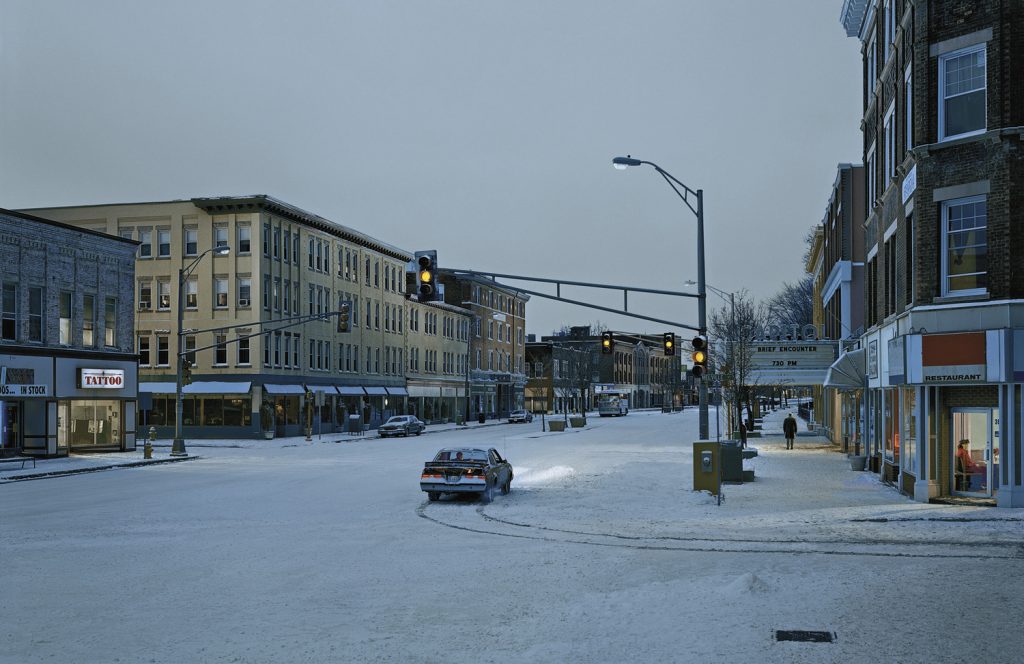
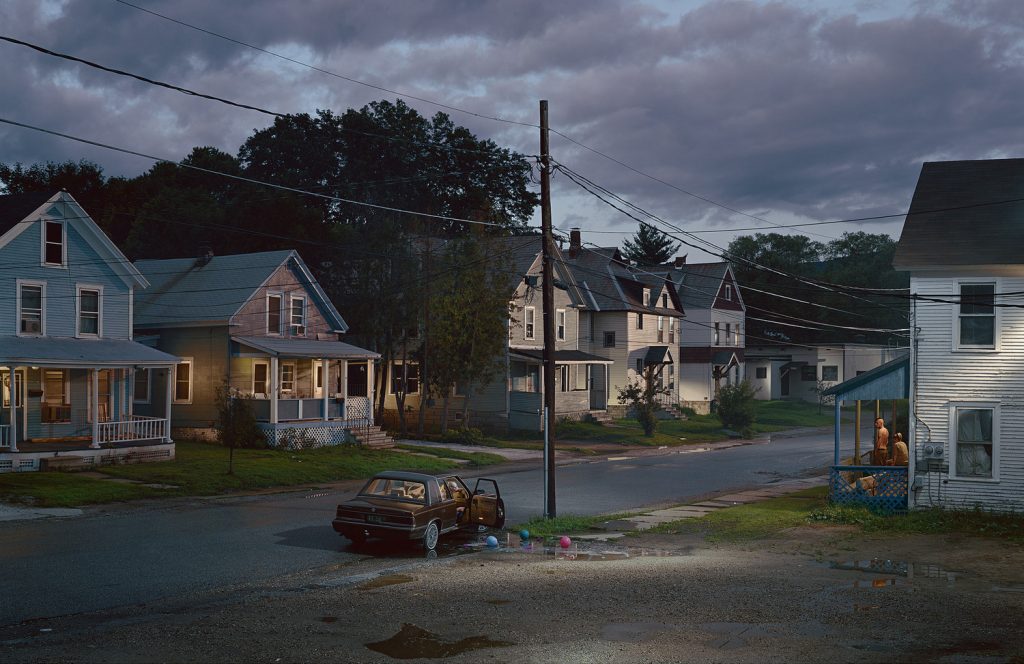
Gregory Crewdson in his tableaus also works in ficticious narratives, in these cases the scenes area real locations but Crewdson has staged an event within We see a seemingly abandoned car, its doors open, balloons floating in a puddle, then we notice a figure in the passenger seat, more people on the porch of the house adjacent. Whats happening here? In the second scene a solitary car appears to be speeding through fresh snow. A sole onlooker, where is the car going, where has it been?
A sense of an unknown event pervades both and that sense of the uncanny is strong. Whilst my image is not so dramatic I hope the viewer is forced to ask questions, although my images do not contain people, using empty space, open doors, gates, the absence of people may encourage the viewer to question what is happening as we do with Crewdsons work.
An image I feel hasnt been successful from the point of view of my FMP is below.
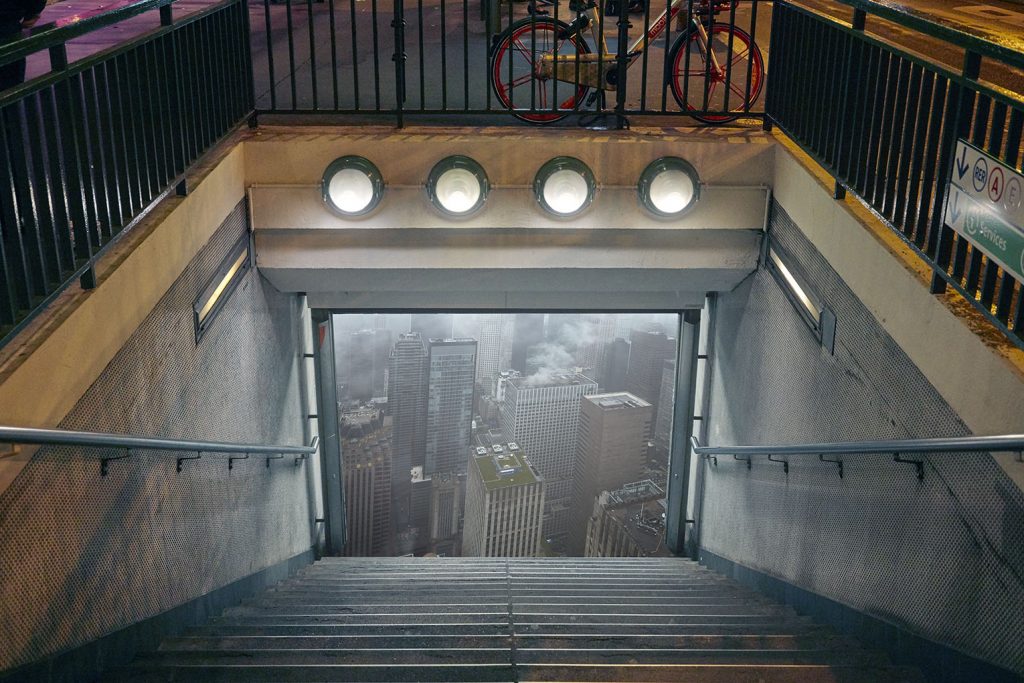
Continuing my experiments and taking a surreal turn I contemplated if the Paris Metro system could be a portal to another city entirely and if so how would it appear, where could you be delivered to?
This is very basic and very experimental but I liked the idea of maintaining a downward gaze with the city, in this case New York as seen from the top of the Rockefeller Centre. Its taken on something of a Fritz Langes Metropolis feel, obviously the architecture of the Metro steps and its light fittings contribute but also the notion Lange proposed that future cities would extend on many levels with sky ports and swift mass transit. By changing the magnication of the city it becomes more of a valid proposition that it is there to step onto rather than falling from a great height as the first image makes me feel is likely.
HoweverI dont think this is right for The Inbetween Places however, it doesnt feel real. Im not sure it would ever pass as anything other than a fantasy or dream situation. Certainly worth exploring and maybe the germ of another project at a later date?
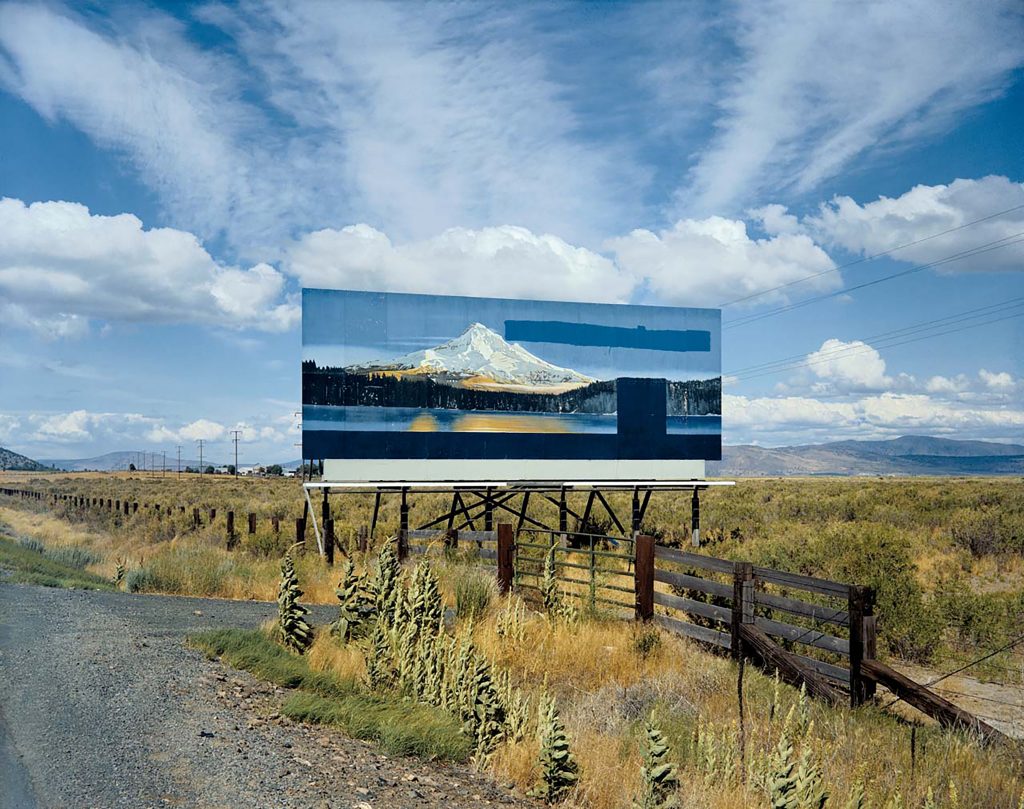
STEPHEN SHORE US 97 South Of Klamath Falls
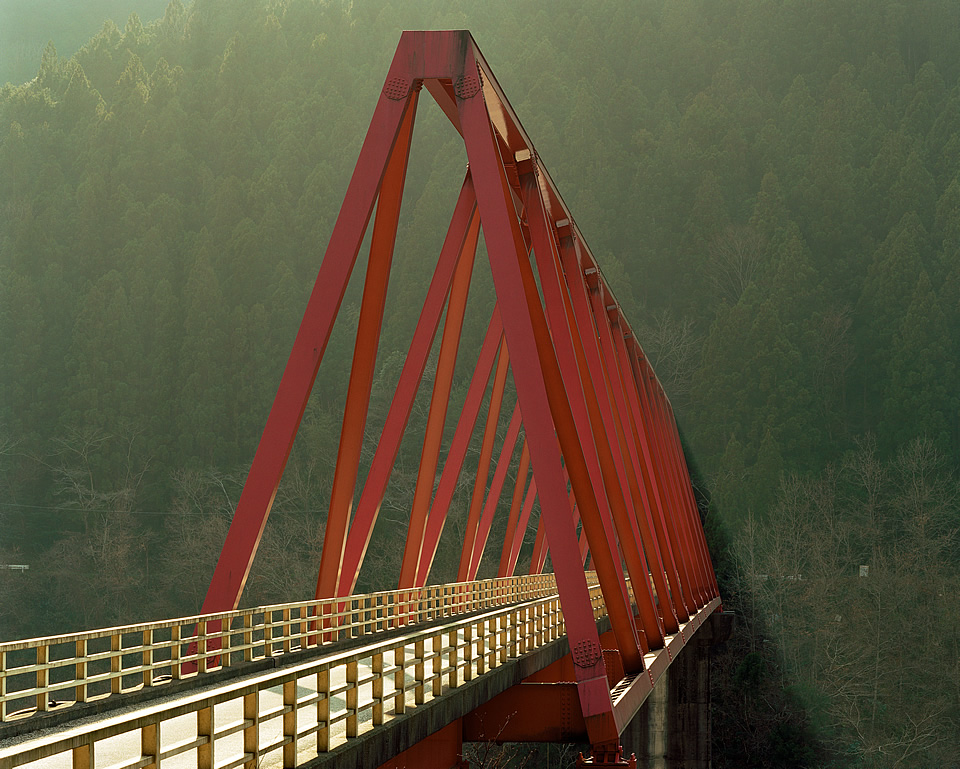
Although my works are constructs its important that they retain the sense of being found. Stephen Shaw and Toshio Shibata both photograph found scenes, both have a carefully considered approach but produce very different styles of images.
Indeed Shibata says “If we take landscape photography for example, they say there is nowhere in the world where people have not visited. Assuming that is true, but knowing every individual has a different approach to taking photographs, something different will emerge in your photos even if you go to places people have been to before, as long as your ideas about that place are different. So you can always find new ways to take photographs, even of the most commonplace things, without necessarily going to places where humans have never set foot. If you regard photography, the medium, as linked to ideas about creative expression, then I think there is no end to the possibilities”
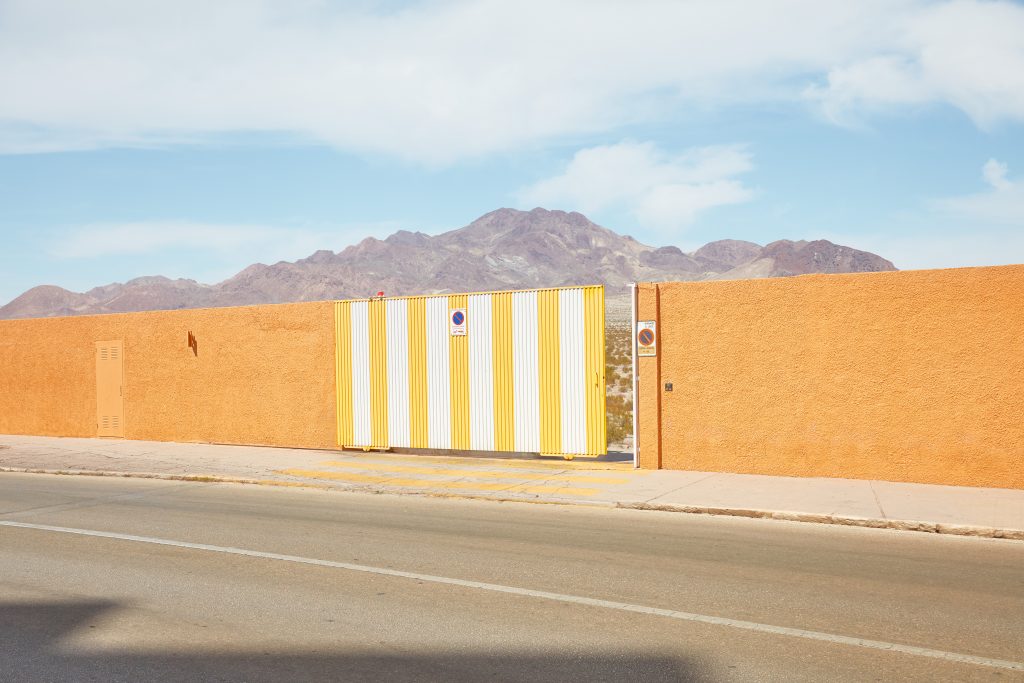
I feel my images do have the feel of being found scenes, being real places, the aesthetic is not far away from that of Shore but as my images have to be capable of being composited the discipline of Shibata provides a reminder to be mindful when I am shooting the elements.
Developing my practice further in terms of the FMP I think will be more concerned with the means of display and dissemination of the images rather than the content and method of construction which I feel is in a good place, I have a a strong idea of what kinds of image I want to see in the project and the points I wish to make. Technically it is resolved although the continued progression does depend on me continuing to travel. With some unexpected health issues this year international travel is by no means certain and so I may need to consider other mean to obtain yje images I will need to complete the project to my satisfaction.