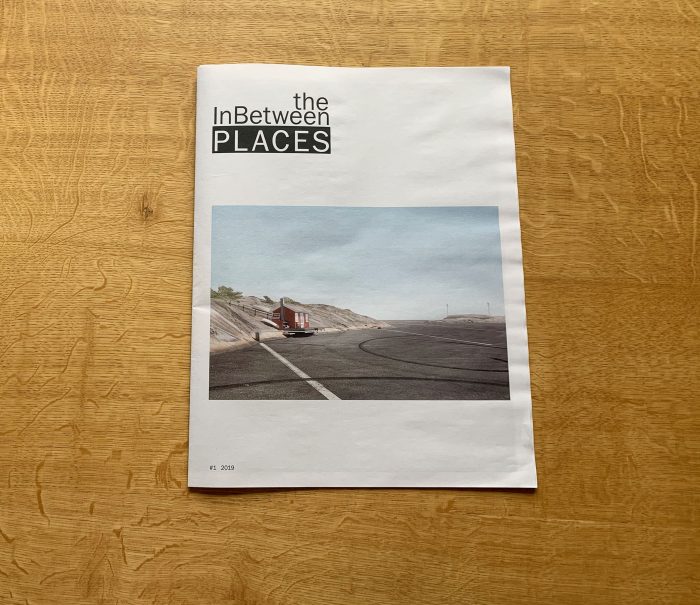
For this activity, we have been asked to create a ‘dummy’ publication that relates to our FMP project. A draft version in full.
Whereas an exhibition operates in a specific space and towards an intended audience for a limited period of time, a publication offers a viewer an opportunity to live with a collection of images, to take them home and develop a relationship with them over months and years. A publication therefore offers a very different experience of your work.
Printing my images out and laying them on the floor it soon became obvious that 8 images (at that point) was never going to make much of a book, bringing a couple of experimental images in helped but they were the wrong shape to sit alongside the successful executions.
So clearly something more short form would be needed, something better than a leaflet for sure, a medium that could show the images to a decent size but also being by default an interim step as at least half of the images do not exist this stage, it still needed to be versatile as something that could still stand up when the collection was complete.
So taking to InDesign using my self taught and basic skills I started to lay the images down into potential pages.
In the event the images they didnt conform to the standard became useful providing an area to add a little descriptive text explaining the project, making the images work for the covers was a concern but in the event they worked well, although I prefer the DPS versions in terms of overall image size.

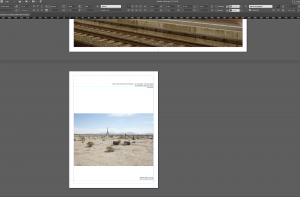
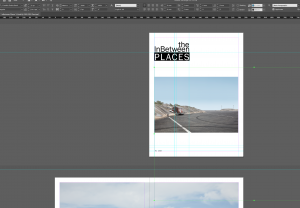
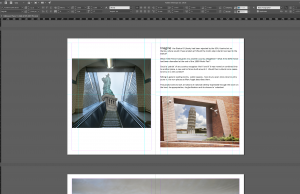
I was already aware of Newspaper club and thought this relatively low cost print solution may work well for what was by now a teaser publication, I knew the print quality would be far from the perfection I would expect for a book but in this instance, since there is a subtle ‘news’ element to the images in the case of the alternate histories it may actually add a quality that helps the image delivery.
So having settled on a design I uploaded my PDF to the Newspaper Club site, the process is very easy and will warn you about print in margins and that kind of error.
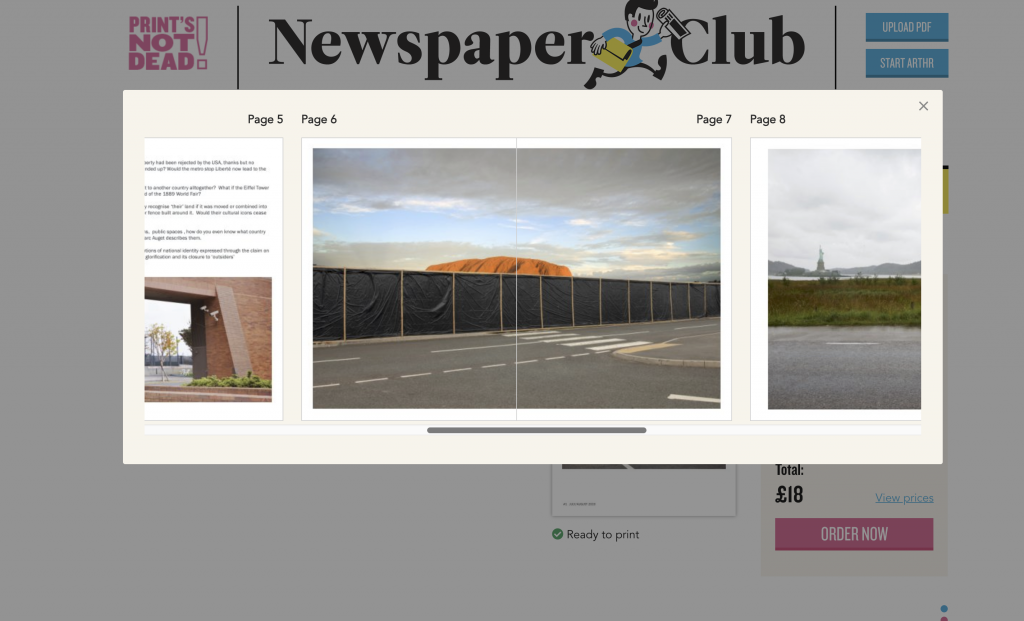
The final Newspaper I set at standard tabloid size and stock, heres a short video. Overall I’m very pleased with it, given my rudimentary design skills and the limitations of newsprint the whole thing stands up well. The medium of the tabloid stock and newsprint has indeed added its own qukaity, in this instance a certain authenticity which was most unexpected.
Photobook or publication?
For this stage of the project the newsprint format has proved to be very successful, I’m very pleased but for the final form I still feel a quality photobook would be better but never say never, this process has enabled me to view the works in a totally different way, I like the ‘news’ aesthetic, maybe this needs to be retained, maybe the final works follow a similar route, and are printed as billboard posters rather than archival museum prints as I originally envisaged?
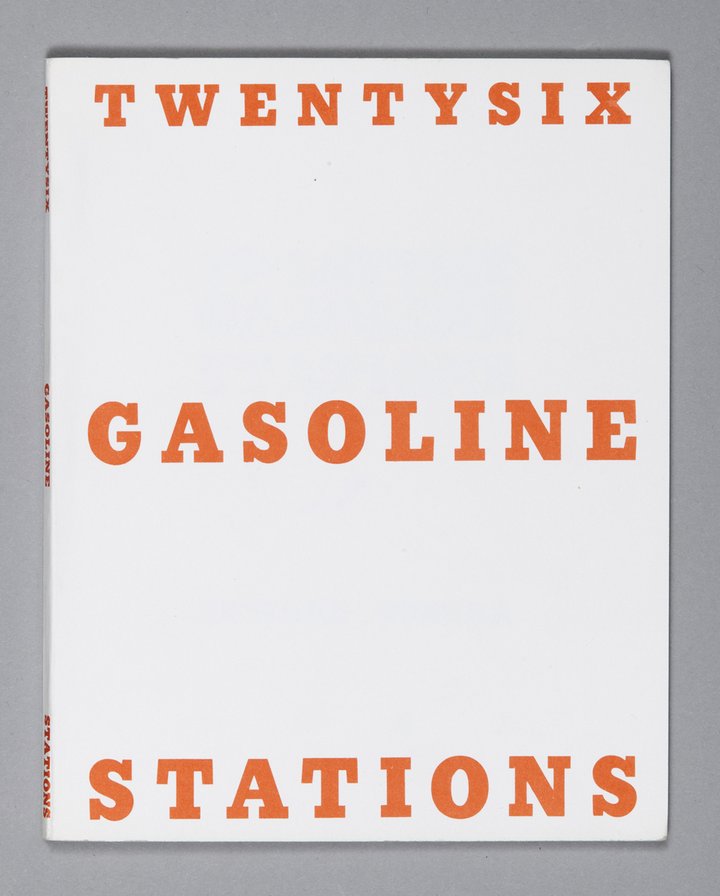
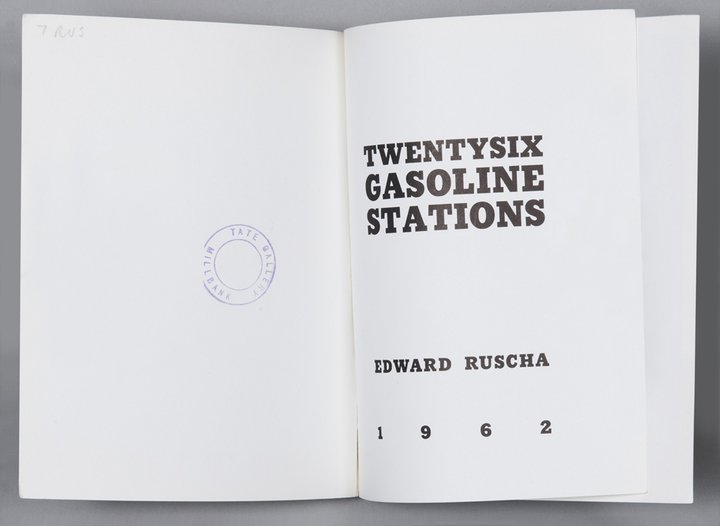
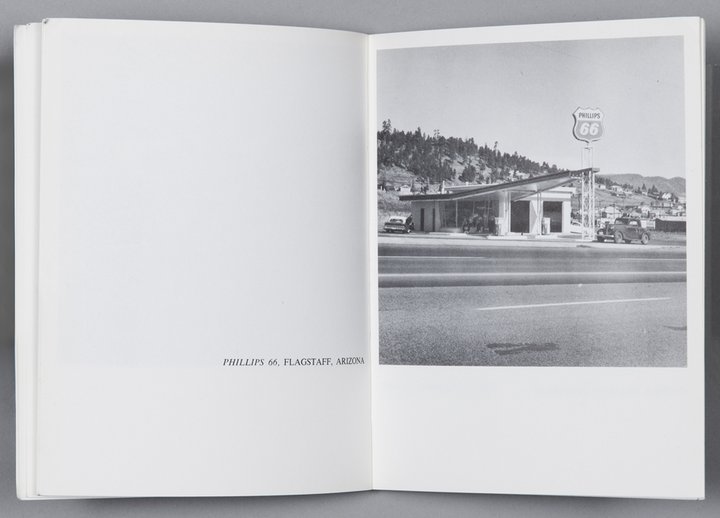
Ed Ruscha used short form publications very successfully. Notably in his 1962 publication 26 gas stations considered seminal in the history of artist books.
Johanna Drucker, writer, critic and book artist, observed:
“Thirty years later, with a quarter of a century of mainstream art world activity between, the aspect of shock-effect and humour has diminished somewhat. But in 1962 this work read against the photographic landscape of highly aestheticised image-making work which carried photography’s claims to art status forward on the double engines of fine at imagery and/or humanistic critical vision (the Edward Weston, Ansel Adams tradition on the one hand and the Dorothea Lange, Walker Evans tradition on the other)”
Ruscha supervised the design and printing of the book himself, in an interview in 1973 he said,
‘I’d always wanted to make a book of some kind. When I was in Oklahoma I got a brainstorm in the middle of the night to do this little book called Twentysix Gasoline Stations. I knew the title. I knew it would be photographs of twenty-six gasoline stations.’
Also,
‘Months went into the planning of that. I could have saved myself a lot of trouble by loosening up. You know, not gotten so concerned with how I wanted the thing to look. I changed the form about fifty times at the printers”
Refs
https://www.tate.org.uk/about-us/projects/transforming-artist-books/summaries/edward-ruscha-twentysix-gasoline-stations-1963